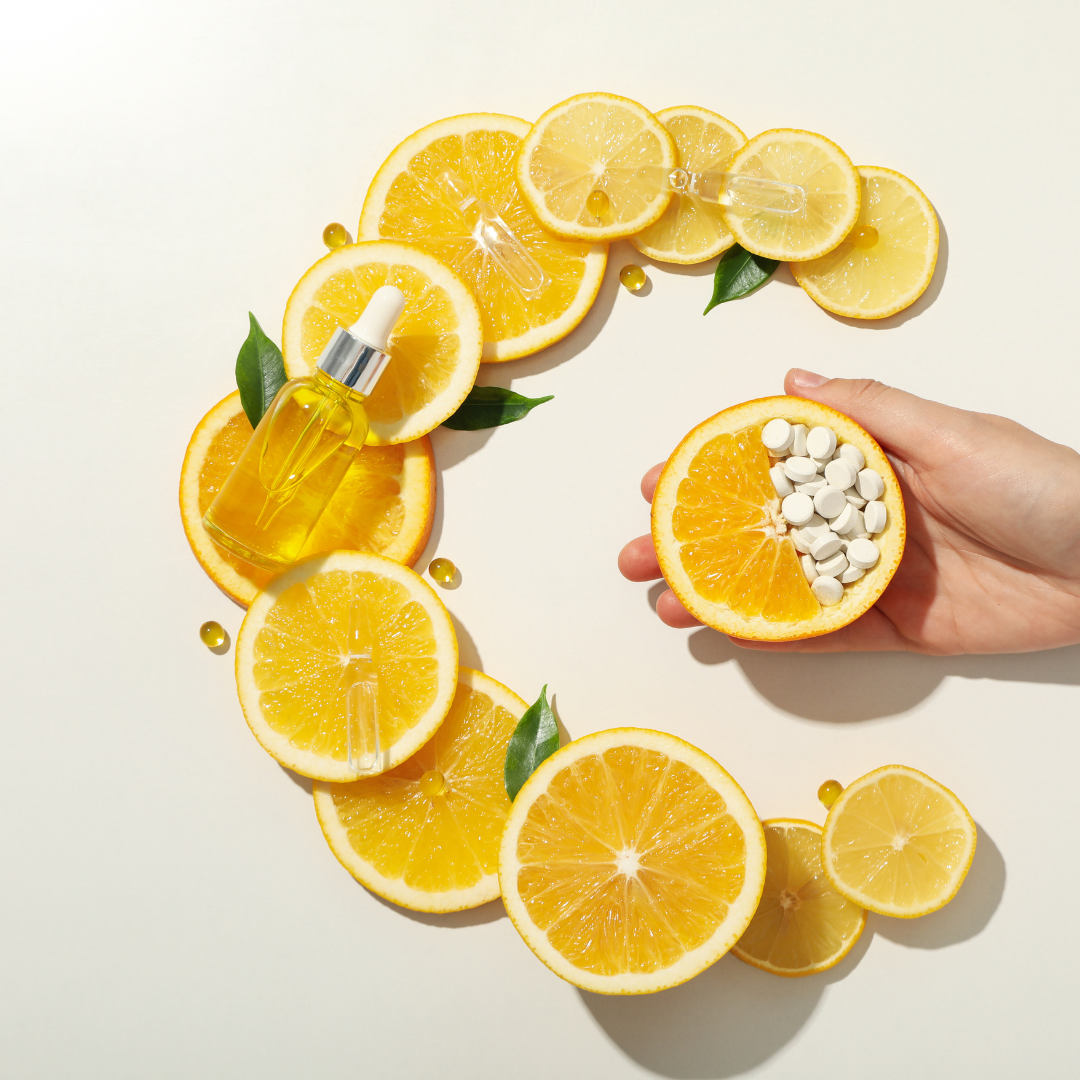

Vitamin C, also known as ascorbic acid, plays an important role in maintaining the body's health. It is necessary for the proper functioning of the immune system, supports the production of collagen, and also acts as a strong antioxidant. Therefore, including the right sources of this vitamin in your daily diet is extremely important for maintaining good health and vitality. Later in the article, we will discuss the characteristics of vitamin C and its importance in the functioning of the body.
Vitamin C - characteristics and importance in the functioning of the body
Vitamin C, also known as ascorbic acid, is one of the most important microelements necessary for the proper functioning of the human body. Chemically is an organic, water -soluble compound. Its basic role is participation in biochemical processes at the cellular level.Collagen synthesis
One of the main tasks of vitamin C is participation in the synthesis of collagen, structural protein that builds connective tissues. Collagen is an important component of the skin, blood vessels, bones, cartilage and ligaments. Lack of adequate amount of vitamin C can lead to weakening of these structures, which is associated with health problems, such as easy bruise formation, gum bleeding or joint problems.Antioxidation
Vitamin C also plays the role of antioxidant. It reduces free radicals, which are reactive oxygen particles that can damage cells and DNA. Thanks to this, ascorbic acid protects the body against oxidative stress, which is one of the mechanisms leading to aging and the development of chronic diseases such as atherosclerosis, hypertension and cancer.Support of the immune system
Vitamin C strengthens the immune system. She is involved in many immune processes, such as phagocytosis (absorption and digestion of pathogenic microorganisms by immune cells) and the production and mobilization of immune cells. Studies show that adequate vitamin C supplementation may shorten the duration of infection, such as colds and flu.Why is vitamin C important in the diet?
Despite the important role of vitamin C in the body, man as one of the few mammals is unable to synthesize it. This means that it must be regularly delivered with a diet. Finding the right balance in the supply of vitamin C is important for maintaining health and prevention of many diseases.Regulation of enzymatic processes
Vitamin C is a cofactor in many enzymatic reactions. It affects, among others, amino acids in neurotransmitters such as noradrenaline, thus affecting the functioning of the nervous system.Absorption of iron
Ascorbic acid increases the bioavailability of non -ham iron from plants. Iron is necessary for effective production of hemoglobin and oxygen transport in the blood. Vitamin C deficiency can therefore lead to iron deficiency anemia.Promotion of skin health
Vitamin C also acts as a protector against skin photocotions caused by UV rays. It protects against wrinkles and improves the appearance of the skin by increasing collagen synthesis and reduction of hyperpigmentation.Support for the cardiovascular system
Ascorbic acid affects the level of cholesterol in the blood, reducing LDL (so -called bad cholesterol) and increasing HDL (so -called good cholesterol). It also has anticoagulant, which is important in the prevention of cardiovascular diseases.Vitamin C deficiency - symptoms
Vitamin C deficiency, also known as scurvy, is rare nowadays, but it can still occur, especially in populations that have limited access to fresh fruit and vegetables, or in people with eating disorders. Early symptoms of deficiency The initial symptoms of vitamin C deficiency can be subtle:- Chronic fatigue
- Muscle weakness
- Irritability
- Joint pain
More serious symptoms
If the deficiency deepens, more serious symptoms appear:- Gum bleeding and teeth falling out
- Easy formation of bruises
- Dry, rough skin
- Slowed wound healing
- Anemia
Can vitamin C be overdosed?
Although vitamin C is generally considered safe, its consumption in very large quantities can lead to negative health effects. The human body does not store vitamin C, so the surplus is excreted in the urine. Nevertheless, taking doses exceeding 2,000 mg per day can cause unpleasant symptoms. Among the most typical symptoms of vitamin C overdose, diarrhea, nausea, vomiting and abdominal cramps can be distinguished.The risk of urolithiasis
High vitamin C concentrations can lead to the formation of kidney stones (kidney stones) in predisposed people. It works on the principle that vitamin C can transform into oxalates, which in turn can form stones in the kidneys.Vitamin C - what does it help?
Vitamin C is a versatile nutrient that supports the treatment and prevention of many diseases.Prevention of chronic diseases
Thanks to its antioxidant properties, vitamin C plays a role in the prevention of chronic diseases such as atherosclerosis, diabetes, hypertension and cancer.Increasing iron absorption
As already mentioned, vitamin C supports the absorption of iron from food, which is important for people with anemia or the risk of its occurrence.Immune support
Studies show that vitamin C reduces the duration of the cold. It helps in the production of white blood cells, which are important in the fight against infections.Improving skin condition
The use of vitamin C, both orally and the use of products with ascorbic acid, can reduce the visibility of wrinkles, improve skin texture and protect against the harmful UV.Sources of vitamin C in food
Vitamin C is found in many food products, mainly in fresh fruit and vegetables.Fruits rich in vitamin C
- Citruses: oranges, lemons, lime, grapefruit
- Berries: strawberries, raspberries, black currants
- Kiwis: Kiwi is one of the richest sources of vitamin C
Vegetables rich in vitamin C
- Peppers: Especially red pepper is rich in vitamin C
- Broccoli: Broccoli provide a significant amount of vitamin C
- Cabbage: Both white and red cabbage are a good source of this vitamin
Other sources
- Pietruszka: Both leaves and root contain large amounts of vitamin C.
- Tomato: fresh tomatoes and tomato preserves are also a good source.
Vitamin C supplementation
Although a diet rich in fresh fruit and vegetables is the best way to ensure an adequate level of vitamin C, sometimes supplementation is necessary. This can be especially important for people with limited access to fresh products, the elderly, or those with absorption disorders.Types of supplements
- Tablets and capsules: The most popular, easy to dose
- Vitamins in the form of powder: Can be added to drinks
- Liposomal forms: Increase bioavailability by closing vitamin C in lipid bubbles
Dosage
The daily recommended dose for adults is 65-90 mg, although many studies suggest that for optimal health benefits it is worth aiming at doses of about 200 mg per day. People with high oxidative stress, e.g. smokers, may require higher doses.When to supplement
Vitamin C supplementation is especially recommended in specific situations when our body can have difficulty with ensuring the right level of this vitamin from the diet. Vitamin C should be considered by people exposed to high stress, smokers and people taking some drugs that may reduce the level of ascorbic acid in the body. In addition, supplementation can be beneficial for people with a poor diet in fruits and vegetables, which are the main natural sources of vitamin C. It is worth remembering that although vitamin C is an important nutrient, supplementation should always be consulted with a doctor to avoid possible side effects.Vitamin C and pregnancy
Vitamin C plays an important role in the organisms of pregnant women, contributing to the proper development of the fetus and supporting the mother's health. Supplementation of this vitamin during pregnancy can be beneficial, but it should be well balanced and consulted with a doctor. Vitamin C supports the immune system, which is especially important during pregnancy, when the woman's body is more susceptible to infections. It also helps in the production of collagen, which is important for the proper development of the skin, cartilage, blood vessels and the bone of the child. In addition, this vitamin improves the absorption of iron from the diet, which prevents anemia, a common problem among pregnant women. However, too high doses of vitamin C can lead to undesirable effects, such as diarrhea or abdominal cramps, and potentially affect the health of both the mother and the developing fetus. That is why it is important that supplementation always conducts under the supervision of a doctor who can adapt the dose to individual needs. Natural sources of vitamin C, such as fruits and vegetables, can be a safer way to ensure proper consumption of this vitamin during pregnancy. A balanced diet rich in citrus, strawberries, peppers, broccoli and other products full of vitamin C usually provide the right amount of this ingredient without the risk of overdose.What is left -hand vitamin C?
Vitamin C left -handed, also known as ascorbic left -pitched acid, is a popular topic in the media and among supporters of alternative medicine. However, there are many misunderstandings and myths related to this form of vitamin C. The reality is that vitamin C in dietary and food supplements occurs in one chemical form: ascorbic L-acid. The letter "L" in the name means that ascorbic acid is left -skinned, but this does not apply to its optical properties, but to molecular configuration.Summary
Vitamin C is an indispensable component of a daily diet, performing many functions in the body. Her role in the synthesis of collagen, antioxidant activities, strengthening the immune system and many other biological processes shows the importance of maintaining its appropriate level. Vitamin C deficiency can lead to serious health problems, but overdose can also harm. A balanced diet, rich in fruit and vegetables, is the best way to provide the right amount of this ingredient. In case of increased demand, supplementation can be helpful, but it should always be carried out under the control of a specialist.Sources:
Hemilä, H., Chalker, E. (2013). Vitamin C for Preventing and Treating The Common Cold. Cochrane database of systematic reviews. SCHLECT, A. K., Johnston, C. S. (2011). Vitamin C: overview and update. Journal of Evidence-Based Complementary & Alternative Medicine. Carr, A. C., Frei, B. (1999). Toward a new recymended dietary alleance for vitamin c based on antioxidant and health effect in humanans. The American Journal of Clinical Nutrition. Levine, M., et al. (1996). A new recymended dietary alleance of vitamin c. Processings of the National Academy of Sciences.
Dietician
Karolina Dobrowolska-Zrałka
doktor nauk medycznych i nauki o zdrowiu, dietetyk kliniczny Absolwentka studiów I i II stopnia na kierunku dietetyka oraz doktorantka w Szkole Doktorskiej Uniwersytetu Medycznego we Wrocławiu
Więcej artykułów autoraLooking for a nutritious and filling meal?
Discover Supersonic Smart Meal! A nutritious meal you can prepare in seconds!

150 reviews


