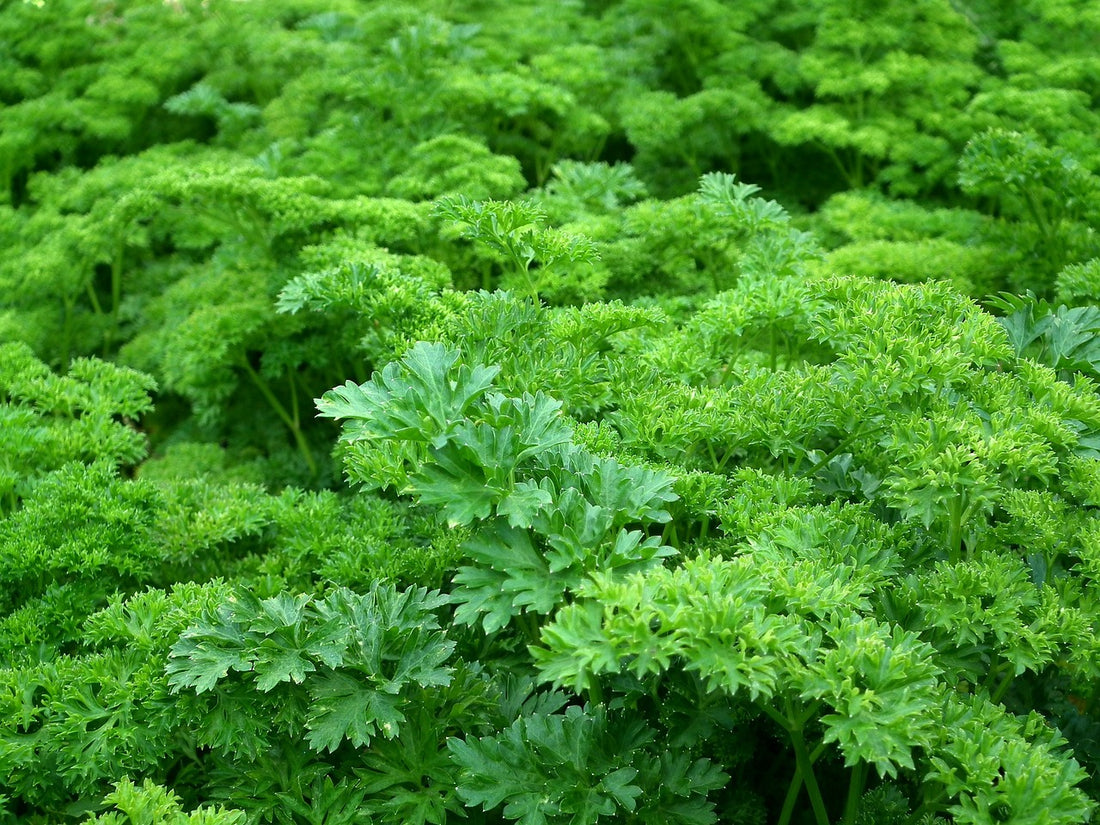

Pietruszka is an extremely popular root vegetable, which is widely used in both Polish and world cuisine. It is valued not only for its unique taste, but also for numerous health -promoting properties. Both the root and parsley play an important role in the daily diet, providing the necessary vitamins and minerals. It is worth noting, however, that Pasternak, although it looks like parsley, has other properties and applications. In this article you will find out what differences occur between the root and parsley cut and how to distinguish it from parsnip. In addition, we will look in detail the health benefits offered by parsley and its use in the kitchen and natural medicine.
Pietruszka Naciowa - a flavored bomb and its health benefits
Parsley, also called parsley, is a popular addition to many dishes, giving them freshness and expressive taste. It contains a wealth of vitamins, especially vitamin C, which is a strong antioxidant supporting the immune system. In 100 grams of parsley there is up to 133 mg of vitamin C, which makes it an excellent source of this ingredient in your daily diet. In addition, parsley is rich in vitamin K, which supports blood clotting and bone health, and vitamin A, important to eye health. Due to the content of flavonoids, the parsley has anti -inflammatory properties and protects cells from oxidative stress. Regular consumption of parsley can support the work of the digestive system, accelerating digestion, and also support the removal of excess water from the body, thanks to the diuretic effect.Pietruszka root vs. Nacial parsley - what makes them different and how to use them?
Parsley root, unlike parsley, is more starchy and sweeter in taste. It is often used for soups, sauces or baked dishes. Although it does not contain as much vitamin C as a parsley, it is still rich in fiber, which supports the health of the digestive system, and also provides valuable minerals such as potassium and phosphorus. In 100 grams of parsley root there is about 550 mg of potassium, which has a positive effect on the regulation of blood pressure. Parsley root can be cooked, baked, and also consumed raw in the form of salads or juices. Its delicate, slightly sweet taste makes it blend in perfectly with other vegetables. The root, like the parsley, has diuretic properties, and can also support the cleansing of the body of toxins.Is Pasternak the same as parsley? Discover the differences and similarities
Pasternak and parsley look very similar, which can lead to mistakes in distinguishing them. However, they differ in both taste and nutritional properties. Pasternak is sweeter, more nutty in taste and contains more starch than parsley. It is also more caloric - 100 grams of parsnip provides about 75 kcal, while the same amount of parsley root is only 55 kcal. When it comes to nutritional values, the parsnip provides more fiber than parsley, but parsley exceeds it with the content of vitamin C and vitamin K. In terms of culinary, parsnip is more often used in baked or stewed dishes, while parsley works as a component of soups, sauces and an addition to fresh salads.Pietruszka - health properties and influence on the body
Both parsley and root have numerous health properties that make this vegetable be in the diet of each of us. Parsley is rich in antioxidants, such as flavonoids, which help neutralize free radicals, protecting cells from damage. Regular consumption of parsley can support heart health by lowering the level of "bad" LDL cholesterol and regulation of blood pressure. Parsley also has a detoxifying effect - it stimulates kidney function and supports the removal of excess fluid from the body. Thanks to this, it can be helpful in the fight against swelling or hypertension. What's more, the ingredients contained in parsley can improve digestion, soothing bloating and constipation, and also support liver health by cleansing it.Properties of parsley root -nutrient track and potential benefits
Parsley root is not only a tasty addition to soups and dishes, but also a valuable source of nutrients. It is rich in vitamin A, C and K, as well as minerals such as potassium, phosphorus and iron. Its regular consumption can support eye health, improve the body's immunity and strengthen bones. Thanks to the fiber content, parsley root supports digestion, regulates intestinal work and helps maintain normal blood sugar levels. Research also suggests that parsley can have anti -inflammatory properties, which makes it a valuable ingredient in the diet of people with chronic diseases such as diabetes or atherosclerosis.Summary
Parsley, both in the form of parsley and root, is an extremely valuable component of the diet. It provides the body with many valuable vitamins and minerals, supports the health of the digestive, cardiovascular and immune system. Its detoxifying and anti -inflammatory properties make it worth including it in the daily menu. It is also worth knowing the difference between parsley and parsnip to consciously use the wealth of flavors and the nutritional value that these vegetables offer.Sources
Smith, A. et al. (2020). Nutritional Benefits of Parsley. Journal of Herbal Medicine. Jones, L. (2018). Herbs and roots: the role of parsley in a healthy diet. Nutrition Journal. Brown, C. (2019). Parsley and ITS Antioxidant Properties. International Journal of Food Sciences and Nutrition.
Dietician
Karolina Dobrowolska-Zrałka
doctor of medical sciences and health sciences, clinical dietitian A graduate of first and second cycle studies in dietetics and a doctoral student at the Doctoral School Medical University of Wrocław
Więcej artykułów autoraLooking for a nutritious and filling meal?
Discover Supersonic Smart Meal! A nutritious meal you can prepare in seconds!

5| 193 reviews


