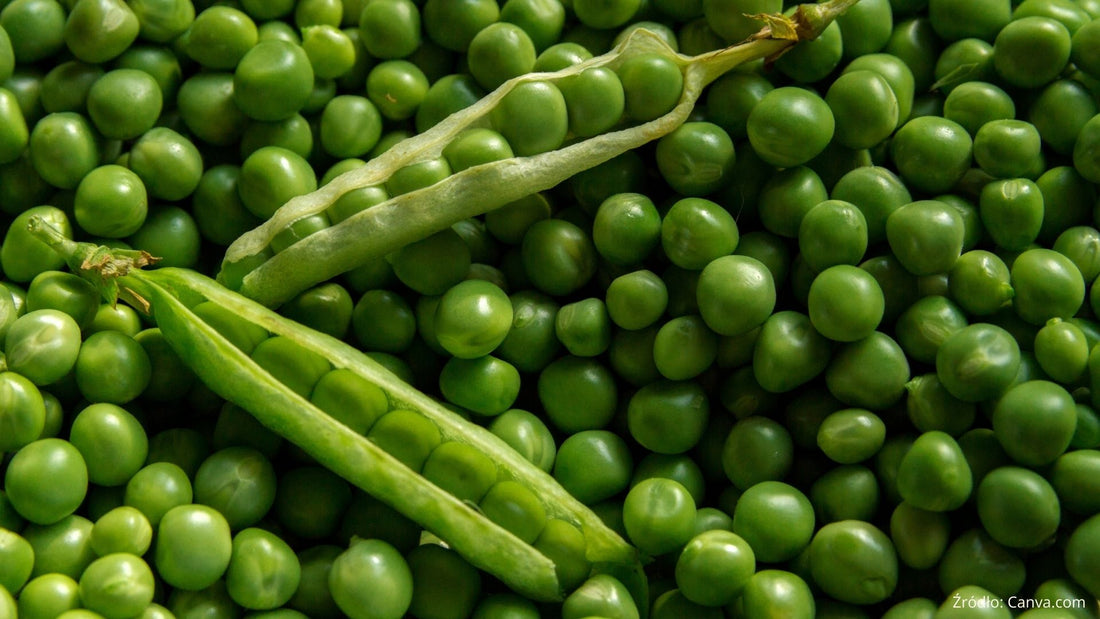

Peas are one of the oldest known legumes and have played an important role in the diets of many cultures around the world for centuries. It is not only a tasty addition to many dishes, but also an extremely valuable nutrient. Thanks to its rich nutritional profile, peas can support the health of the heart and digestive system, as well as provide plant protein, which is especially important for people on plant-based diets. The nutritional value of peas makes them an excellent element of a balanced diet. However, before we delve into the details of its impact on health, let's take a closer look at its nutritional values.
Peas - what are their nutritional values?
Peas, one of the most popular legumes, have been a valuable component of diets around the world for centuries. Its nutritional values are impressive, and eating peas provides the body with important ingredients necessary for proper functioning. There are approximately 81 kcal in 100 g of cooked peas, which makes it a low-calorie product, yet rich in nutrients. Peas are an excellent source of plant protein, which makes them an important part of a vegetarian and vegan diet. It contains about 5 g of protein per 100 g of cooked peas, which helps build muscles and regenerate the body after physical exercise. In addition, peas provide valuable dietary fiber, which regulates the digestive system and supports intestinal health. Peas also contain important vitamins and minerals, including:- Vitamin C – supports the immune system and helps fight infections;
- Vitamin K – important for blood clotting and bone health;
- Vitamin B1 (thiamine) – supports the nervous system and energy metabolism;
- Magnesium – a mineral important for muscle function and the functioning of the nervous system;
- Potassium – regulates blood pressure and helps maintain water and electrolyte balance.
Health properties of peas
Eating peas has numerous health benefits. Regularly including it in the diet supports the functioning of various systems in the body and helps prevent diseases. One of the most important properties of peas is their anti-inflammatory and antioxidant properties, resulting from the presence of phenolic compounds and flavonoids. These ingredients help neutralize free radicals, which reduces the risk of developing chronic diseases such as atherosclerosis or cancer. Peas are also excellent support for the cardiovascular system. Thanks to the fiber and potassium content, peas help reduce LDL cholesterol levels in the blood and also support the regulation of blood pressure. Regularly eating peas can reduce the risk of heart disease, heart attacks and strokes. Moreover, the presence of fiber means that peas support the health of the digestive system. Fiber helps regulate bowel movements, prevents constipation and supports healthy intestinal bacterial flora, which is important for the functioning of the immune system.Are peas healthy?
Based on available research and nutritional value analyses, it can be concluded that peas are one of the healthiest plant products that should be included in the daily diet. Its low-calorie nature, high protein and fiber content, as well as a wealth of vitamins and minerals make it an ideal choice for health-conscious people, including those who want to maintain a healthy weight. Peas are also especially recommended for people struggling with high cholesterol levels, hypertension and digestive problems. Due to the low glycemic index (GI), peas are also suitable for people with diabetes or insulin resistance, because they do not cause sudden spikes in blood sugar levels.Peas and the glycemic index - how does it affect blood sugar levels?
One of the aspects of consuming peas, especially for people struggling with diabetes or trying to control blood sugar levels, is its low glycemic index. The glycemic index (IG) is an indicator that determines how quickly blood sugar increases after consuming a given product. Low IG products are particularly valuable in the diets of people with diabetes, because they do not cause sudden blood glucose jumps. Peas have an IG at around 22-35, which places it in the category of products with a low glycemic index. This means that consuming peas affects the gradual release of glucose into the blood, which promotes the stability of sugar and energy levels in the body. This makes him an ideal component of a diet for people with diabetes, as well as for those who try to avoid violent blood sugar levels. In addition, thanks to the content of fiber, the peas delay the absorption of carbohydrates, which helps to keep the feeling of satiety long. Therefore, peas are a good choice in the diet of people who care about weight control and prevention of metabolic diseases.How many proteins does peas have? Protein value of this popular pod
Peas are a great source of vegetable protein, which makes it an important element of the diet, especially for people who avoid animal products. In 100 g of cooked pea there is about 5-7 g of protein, which is a solid portion for legumes. Pea protein is full -fledged because it contains all the necessary amino acids, although in smaller amounts than animal protein. That is why it is best to consume peas in combination with other sources of vegetable protein, such as lentils, chickpeas or rice, to get a full amino acid profile. Plant protein from peas is important for people who lead an active lifestyle, athletes and those who are looking for an alternative to meat. Eating pea protein supports muscle structure, regeneration of the body after exercise, and also helps in control of body weight. What's more, regularly incorporating the peas in the diet can support heart health, and also reduce the risk of developing cardiovascular diseases.Summary
Peas are a versatile and healthy component of the diet that provides the body with nutritional values. Rich in protein, fiber, vitamins and minerals, supports health at many levels, from regulating blood sugar to the improvement of the functioning of the cardiovascular system. Its low glycemic index makes it particularly beneficial for people with diabetes, as well as those who want to control weight. Regular consumption of peas helps in the prevention of chronic diseases, and also supports the health of the digestive system. So, is peas healthy? The answer is definitely "yes". This is one of the best vegetable sources of protein that should find a place in every healthy diet.Sources:
Marinangeli, C. P., & Jones, P. J. (2012). Pulse grain consumption and health. Applied Physiology, Nutrition, and Metabolism, 37 (6), 864-870. Messina, V. (2014). Nutritional and Health Benefits of Dried Beans. American Journal of Clinical Nutrition, 100 (1), 437S-442S. Li, S. S., & Koh, W. P. (2019). Peas and their effect on Metabolic Health. Food & Function, 10 (10), 6055-6062.
Dietician
Karolina Dobrowolska-Zrałka
doctor of medical sciences and health sciences, clinical dietitian A graduate of first and second cycle studies in dietetics and a doctoral student at the Doctoral School Medical University of Wrocław
Więcej artykułów autoraLooking for a nutritious and filling meal?
Discover Supersonic Smart Meal! A nutritious meal you can prepare in seconds!

5| 193 reviews


