
Diet is often used in response to various health problems related to consumption of dairy products. This may apply to both people suffering from allergy to milk proteins and those who struggle with lactose intolerance. This diet aims to eliminate dairy products and their derivatives, which allows you to avoid ailments and improve well -being.
Diet is a noble diet - when should it be used?
The decision to switch to a dairy diet should be well thought out and based on specific health indications. It is worth consulting a doctor or dietitian to make sure it is the right step and get advice on a proper balance of diet. This is especially important to avoid potential food shortages resulting from the elimination of dairy products. A dairy diet is a diet that eliminates all dairy products, such as cow's milk, cheese, yogurt and butter. Its use is recommended primarily in several special cases.Allergy for cow's milk proteins
This is one of the most common food allergies, especially in children. Allergic reactions may include skin symptoms (e.g. urticaria, atopic dermatitis), gastrointestinal problems (vomiting, diarrhea) and anaphylactic reactions that can endanger life.Lactose intolerance
Lactose, sugar present in milk, can be difficult to digest for people who have a shortage of lactase - the enzyme necessary to break the lactose in the digestive tract. Symptoms of lactose intolerance include bloating, diarrhea, gases and abdominal pain.Other diseases
Sometimes a dairy -free diet is also recommended for autoimmune diseases such as celiac disease, or problems related to chronic intestinal inflammation.What is the difference between a diet without milk and a lactose diet?
The distinction between a diet without milk and lactose diet is important for understanding various nutritional needs. Diet without milk It includes full elimination from the diet of all dairy products, including both proteins such as casein and whey and lactose. This is necessary for people with allergy to cow's milk proteins, because even a small amount of milk proteins lead to strong allergic reactions. This approach is necessary to avoid health problems and ensure a safe diet for people with allergies. Diet without lactose However, it only requires avoiding lactose -containing products. People using this diet can consume dairy products that have been deprived of lactose, or use a lactase enzyme in the form of a lactose digestion supplement. This type of diet is suitable for people with lactose intolerance that can consume milk proteins without health problems. Thanks to this, they can enjoy the benefits of dairy products, without experiencing symptoms of lactose intolerance.Diet without cow's milk protein - who will be the best for?
People suffering from cow's milk allergy, such as casein and whey, must rigorously avoid products containing even trace amounts of these proteins. Allergy to cow's milk proteins is particularly common in infants and young children, but it can also occur in adults. The use of a diet without cow's milk protein is necessary for them to avoid allergic reactions, which can be not only uncomfortable but also threatening health.Benefits from a diet without cow's milk protein
Elimination of allergic reactions
Avoiding milk proteins prevents allergic symptoms such as urticaria, itching, vomiting, abdominal pain, and anaphylaxis in extreme cases. Thanks to this, people with allergies can lead their lives without worrying about the sudden, unpleasant reactions of their body to the consumption of dairy products.Improving the health of the skin and the digestive system
People with intolerance to these proteins often notice an improvement in the condition of the skin and a reduction in gastrointestinal discomfort after switching to a dairy diet. They can observe a reduction in symptoms such as eczema or acne, and also experience fewer digestive problems such as bloating, diarrhea and abdominal pain. In addition, a diet without cow's milk protein may be beneficial for people with other autoimmune or chronic diseases that may get intensified under the influence of milk proteins. Improving general well -being and better health control can therefore be a key motivator to introduce this diet.Diet is a noble diet - how to replace milk and its products?
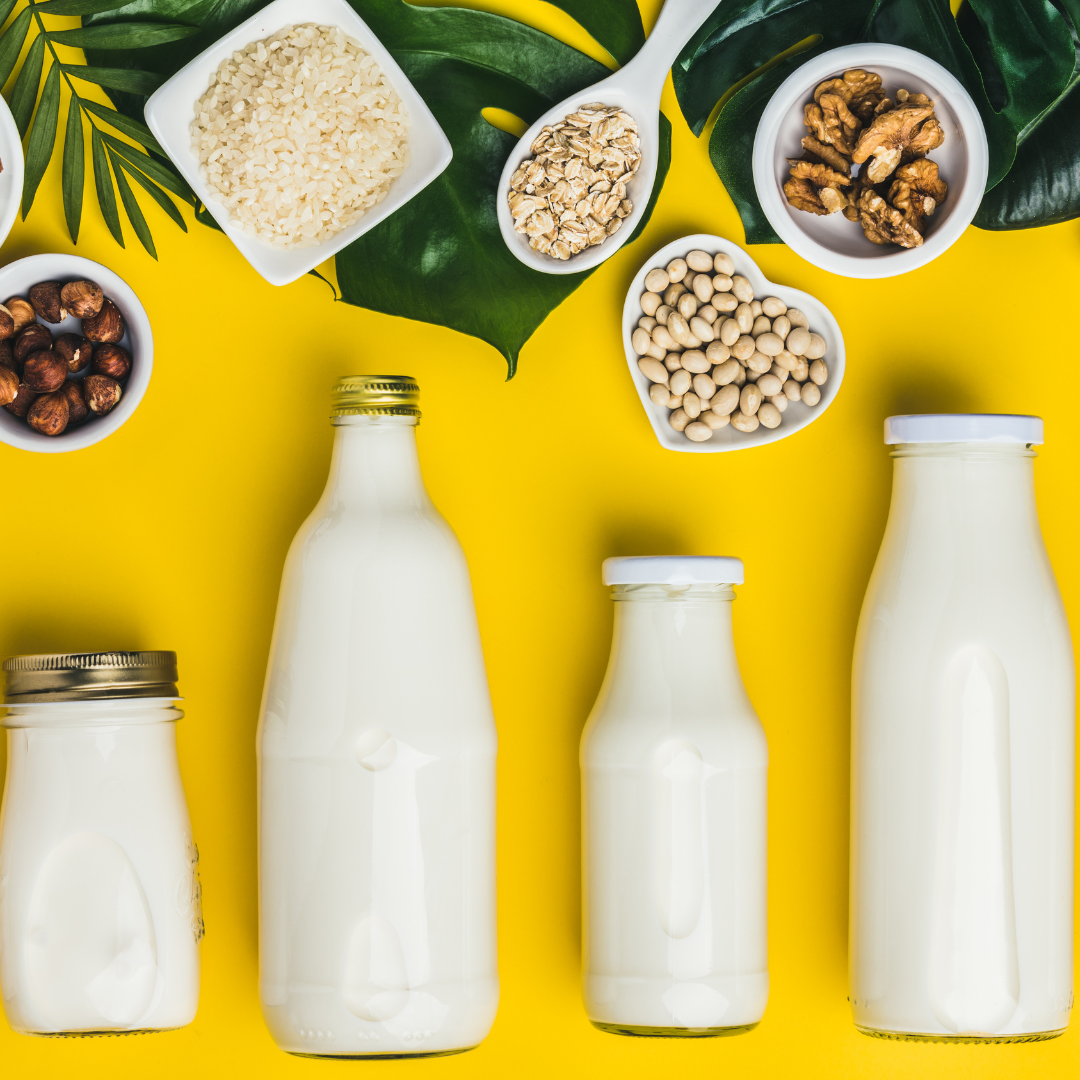
Going to a dairy diet does not mean the need to give up your favorite dishes or flavors. Currently, there are many alternatives on the market that can replace milk and its products, providing the necessary nutritional values and taste diversity. 1. Vegetable - The most popular substitutes are almond, soy, rice, coconut and oat milk. They are available in various flavor variants and often enriched with vitamins and minerals, such as calcium and vitamin D. 2. Highlights and plant kefir - They can be found on the basis of coconut, soy or almond milk. They offer similar nutritional values as their dairy counterparts, as well as probiotic benefits for the digestive system. 3. Vegan times - These products are made of nuts (such as almonds or cashews), soy or vegetable oils and are available in many forms - from cream cheese, to hard cheese, to blue cheese. 4. Put and vegetable butter - Instead of traditional dairy products, you can use coconut, soy cream or sunflower cream. Vegetable butter, such as dairy margarines, is also a good alternative. 5. Factless lines - More and more manufacturers offer ice cream based on vegetable milk, such as coconut, almond or rice milk, which can be as tasty as traditional ice cream. Thanks to these substitutes, the use of a dairy diet becomes less burdensome, and at the same time allows you to maintain diet diversity and enjoy food.Diet is a non -free diet and plant drinks
Plant drinks are the main pillar of the dairy diet, offering a wide selection of alternatives to cow's milk, which can be both tasty and nutritious. These drinks are made of various plants, such as almonds, soy, oats, rice, coconut and many others, which allows you to adapt the choice to individual taste preferences and dietary needs. Almond milk is light and has a delicate, nutty taste, ideal for coffee, smoothies and pastries, often enriched with vitamins. Soy milk, one of the most popular, is rich in protein, is perfect for the kitchen in various applications. Oat milk, cream and slightly sweet, rich in fiber, is ideal for drinking cold and coffee. Rice milk, light and sweet, is less thick than other plant drinks and often enriched with calcium and B vitamins, it is great as a base for smoothies. Coconut milk is distinguished by its expressive coconut taste, available in various forms, from a slightly liquid drink to thick cream, fits perfectly with desserts and curry. Cashew nut milk, cream and slightly sweet, ideal for coffee, desserts and baking, is characterized by a high content of vegetable fats, well -composed in sauces. Plant drinks can be enriched with the necessary ingredients, such as calcium, vitamin D and vitamin B12, important especially when eliminating dairy products. Paying attention to labels, you can choose products without the addition of sugar and with as many natural ingredients.Diet without dairy - a menu for 7 days
Below I present an example menu for 7 days, which can be used by people on a dairy diet:Day 1
Breakfast: porridge on almond milk with fruit and nuts. Lunch: chicken fillet with rice and steamed vegetables. Dinner: Quinoa salad, chickpeas, tomatoes, cucumber and olive oil.Day 2
Breakfast: smoothie with banana, spinach, blueberries and coconut milk. Lunch: baked salmon with potatoes and broccoli. Dinner: vegetable soup with lentils.Day 3
Breakfast: whole grain bread with avocado, tomato and hard -boiled egg. Lunch: tofu with stir-fry vegetables (fried in a pan) served with brown rice. Dinner: sandwiches with hummus paste, paprika, cucumber and lettuce.Day 4
Breakfast: coconut yogurt with granola and raspberries. Lunch: rice pasta with vegetables and shrimp in soy sauce. Dinner: baked sweet potatoes with black beans and guacamole.Day 5
Breakfast: Scrambled eggs with mushrooms, onions and peppers served on wholemeal bread toast. Lunch: chickpeas and vegetable stew served with millet. Dinner: Greek salad without feta cheese (with olives, tomatoes, cucumber, red onion and olive oil).Day 6
Breakfast: oat flour pancakes with banana and maple syrup. Lunch: Pork tenderloin with baked vegetables. Dinner: vegetable wraps with hummus, carrots, avocado and lettuce.Day 7
Breakfast: pudding chia with coconut milk, honey and fruit. Lunch: curry with pumpkin and lentils served with Basmati rice. Dinner: Salad with shrimp, avocado, cherry tomatoes and vinaigrette sauce.The pros and cons of a dairy -free diet
The easily digestible diet has both its advantages and disadvantages. It is often recommended by specialists in cases of gastrointestinal problems, as well as after surgery and during recovery. So let's take a closer look at what benefits you can expect and what potential difficulties you need to be prepared.Pros:
- Reduction of allergy risk - People who are allergic to milk proteins will not experience allergic reactions on a dairy -free diet.
- Improving digestion - In people with lactose intolerance, a dairy diet eliminates symptoms such as flatulence, diarrhea and abdominal pain.
- Dietary diversity - Going to a dairy diet usually results in an increase in the consumption of other, often healthier, food products such as nuts, seeds, vegetables and fruits.
Cons:
- Risk of deficiencies - Milk and its products are a source of many important nutrients, such as calcium, vitamin D and protein. Therefore, people on a dairy diet must follow their consumption of these ingredients and use supplementation if needed.
- Culinary challenges - Avoiding milk can be difficult, especially when eating in the city or travel. This requires careful reading of labels and questions about the ingredients of dishes.
Sources
Milk protein allergy: Comprehensive Review on Milk Allergen: https://www.ncbi.nlm.nih.gov/pmc/articles/pmc4880129/ Lactose intolerance: Current concepts in lactose malabsorption and intolerance: https://www.ncbi.nlm.nih.gov/pmc/articles/pmc7577760/ Diet in children in children: Dietary Management in Children with Cow's Milk Allergy: https://www.ncbi.nlm.nih.gov/pmc/articles/pmc6381178/
Dietician
Karolina Dobrowolska-Zrałka
doktor nauk medycznych i nauki o zdrowiu, dietetyk kliniczny Absolwentka studiów I i II stopnia na kierunku dietetyka oraz doktorantka w Szkole Doktorskiej Uniwersytetu Medycznego we Wrocławiu
Więcej artykułów autoraLooking for a nutritious and filling meal?
Discover Supersonic Smart Meal! A nutritious meal you can prepare in seconds!

150 reviews


