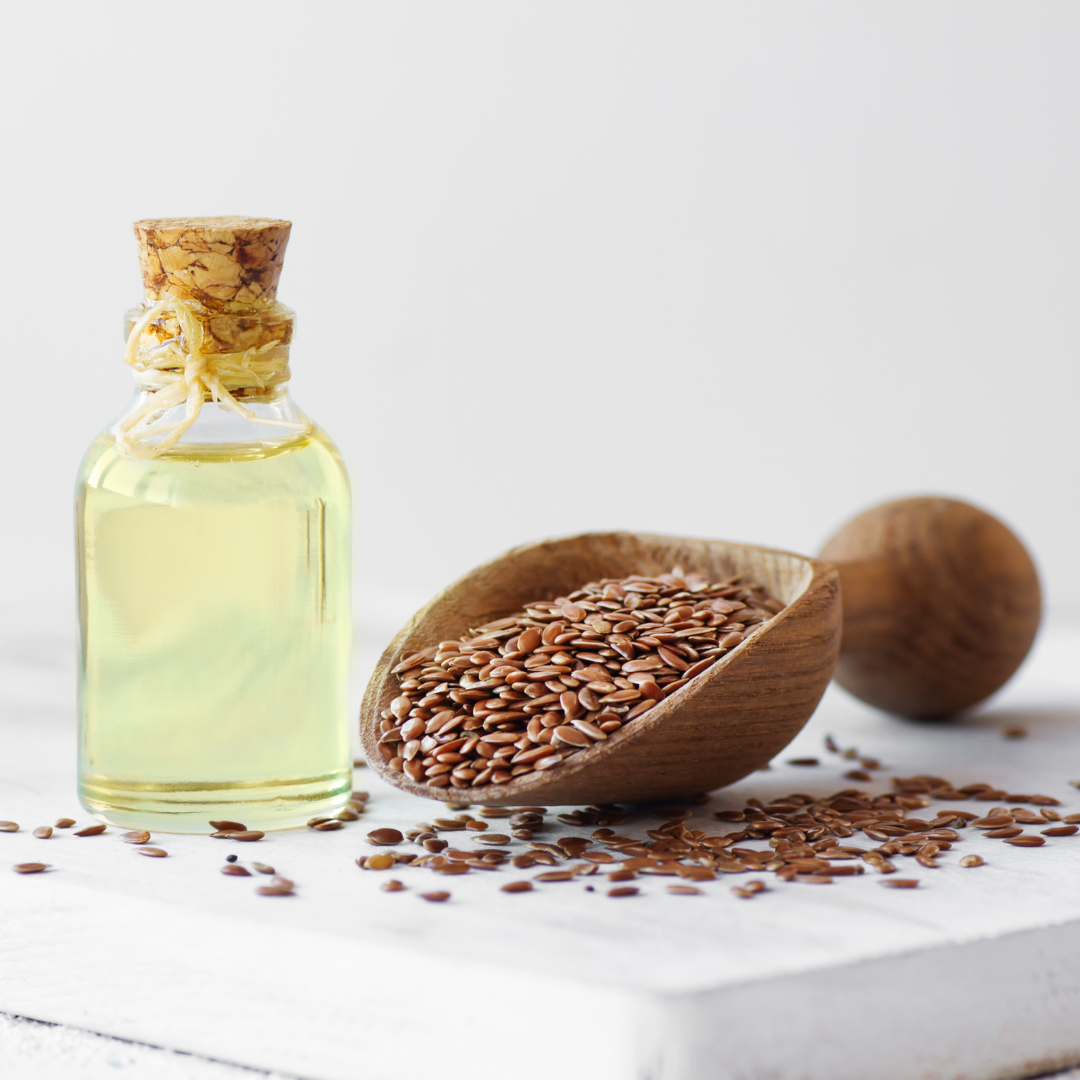

Linseed oil is one of the most valuable vegetable oils, known for its unique health properties and the wealth of omega-3 fatty acids. Obtained from ordinary flax seeds (linum usitatissimum), linseed oil is gaining popularity as a dietary supplement and a natural cosmetic. In this article, we will take a closer look at its properties, applications and health benefits.
Linseed oil - how does it affect the condition and growth of hair?
Linseed oil is valued for its beneficial effect on the hair. Rich in Omega-3 fatty acids, vitamins and minerals, supports the health of the scalp and hair, contributing to their better condition and growth.Impact of linseed oil on hair
Linseed oil works on hair in several ways.- Moisturizes the scalp, preventing dryness and dandruff.
- It strengthens the hair structure, thanks to which the hair becomes stronger, less brittle and more elastic.
- In addition, omega-3 fatty acids support the health of hair bulbs, which promotes the growth of new, healthy hair.
How to use linseed oil for hair
Linseed oil can be used directly to the hair as a mask or addition to nutrients and shampoos. To prepare the mask, just apply a small amount of oil to the scalp and hair, gently massage and leave for about 30 minutes, then rinse thoroughly. You can also add a few drops of linseed oil to your favorite shampoo or conditioner to enrich their operation.Linseed oil for drinking - what is the effect and how to consume it?
Linseed oil is also a popular dietary supplement known for its numerous health benefits. Eating linseed oil provides the body with valuable omega-3 fatty acids that support the health of the heart, brain and immune system.Linseed oil as a dietary supplement
Eating linseed oil can contribute to improving the lipid profile, reducing LDL cholesterol and increasing HDL cholesterol. Linseed oil also has anti -inflammatory effect, which is beneficial for people with autoimmune diseases and chronic inflammation. In addition, omega-3 acids support cognitive functions, eye health and general well-being. Linseed oil is best to consume cold to keep its nutritional value. It can be added to salads, smoothies, yogurt or consumed directly. The recommended daily dose is about 1-2 tablespoons. It is important to store linseed oil in the fridge and protect against light to prevent its oxidation.Linseed oil - healing properties and benefits for the body
Linseed oil has many healing properties that can support health at different levels. His regular consumption can bring numerous health benefits.Healing properties of linseed oil
Linseed oil is rich in omega-3 fatty acids that have anti-inflammatory, anti-cancer and anticoagulant effects. It also contains lignans, which are strong antioxidants and can support hormonal health. The anti -inflammatory effect of linseed oil can bring relief in diseases such as rheumatoid arthritis or inflammatory intestinal diseases.Health benefits
- Cardiovascular support - Linseed oil can help reduce blood pressure, reduce LDL cholesterol and reduce the risk of atherosclerosis.
- Improving the health of the digestive system - Linseed oil can support digestion by alleviating the symptoms of irritable bowel syndrome and constipation.
- Brain health support - Omega-3 acids present in linseed oil can support cognitive functions and reduce the risk of neurodegenerative diseases.
- Hormone regulation - lignans in linseed oil can help regulate hormone levels, which is beneficial to reproductive and hormonal health.
When to drink linseed oil - is it better in the morning or evening?
The time of consuming linseed oil can affect its effects and health benefits. There are different theories about when it is best to consume linseed oil - in the morning or evening. Drinking linen oil in the morning on an empty stomach can help in better absorption of nutrients and provide the body with energy for the whole day. It can also support metabolism and improve digestion. Eating linseed oil in the evening can support the regeneration of the body during sleep and benefit the health of the skin and hair. It can also help in regulating blood sugar levels and support a healthy sleep.Which time is better?
Ultimately, the time of consuming linseed depends on individual needs and preferences. It is important to consume it regularly and at the right doses to derive full health benefits.Linseed oil - what can it help? The use and operation of this valuable oil
Linseed oil has a wide spectrum of applications and can help treat many ailments and diseases.- Cardiovascular diseases - Linseed oil can support heart health by lowering blood pressure, cholesterol and reduction of inflammation.
- Inflammatory diseases - Anti -inflammatory effects of linseed oil can bring relief in diseases such as rheumatoid arthritis, inflammatory intestinal diseases or asthma.
- Skin and hair health - Linseed oil moisturizes the skin and hair, supporting their health and appearance. It can be used both internally and externally.
- Digestive support - Eating linseed oil can support the health of the digestive system, soothing the symptoms of irritable bowel syndrome, constipation and indigestion.
Summary
Linseed oil is a valuable product with a wide spectrum of health benefits. Its wealth in Omega-3 fatty acids, lignans and other nutrients make it valued both as a dietary supplement and a natural cosmetic. Regular consumption of linseed oil can support the health of the heart, brain, digestive system and skin and hair condition. It is important to consume linseed oil regularly and at the right doses to derive full health benefits. Before starting supplementation, it is worth consulting a doctor, especially if we take medicine or we have some diseases.Footnotes and sources
Pragad, K. (2000). FlaxSeed: a source of hypocholesterolemic and antiaatherogenic agents. Drug News & Perspectives, 13 (2), 99-104. Goyal, A., Sharma, V., Falls, N., Gill, S., & Sihag, M. (2014). Flax and FlaxSeed Oil: An Ancient Medicine & Modern Functional Food. Journal of Food Science and Technology, 51 (9), 1633-1653. Kristensen, M., Savorani, F., Christensen, S., Engelsen, S. B., Bügel, S., Tubro, S., & Tens, I. (2013). Flaxseed dietary fibers low cholesterol and increase fecal fat excretion, but magnitude of effect dedend on food type. Nutrition & Metabolism, 10 (1), 44.
Dietician
Karolina Dobrowolska-Zrałka
doktor nauk medycznych i nauki o zdrowiu, dietetyk kliniczny Absolwentka studiów I i II stopnia na kierunku dietetyka oraz doktorantka w Szkole Doktorskiej Uniwersytetu Medycznego we Wrocławiu
Więcej artykułów autoraLooking for a nutritious and filling meal?
Discover Supersonic Smart Meal! A nutritious meal you can prepare in seconds!

150 reviews
![Ranking kreatyny [2026] - TOP 10 produktów, które warto znać](http://supersonicfood.com/cdn/shop/articles/kreatyna-ranking_7761d184-412b-41bd-a3d8-9ec987371803.jpg?format=webp&v=1786453631&width=1100 "Ranking kreatyny [2026] - TOP 10 produktów, które warto znać")


