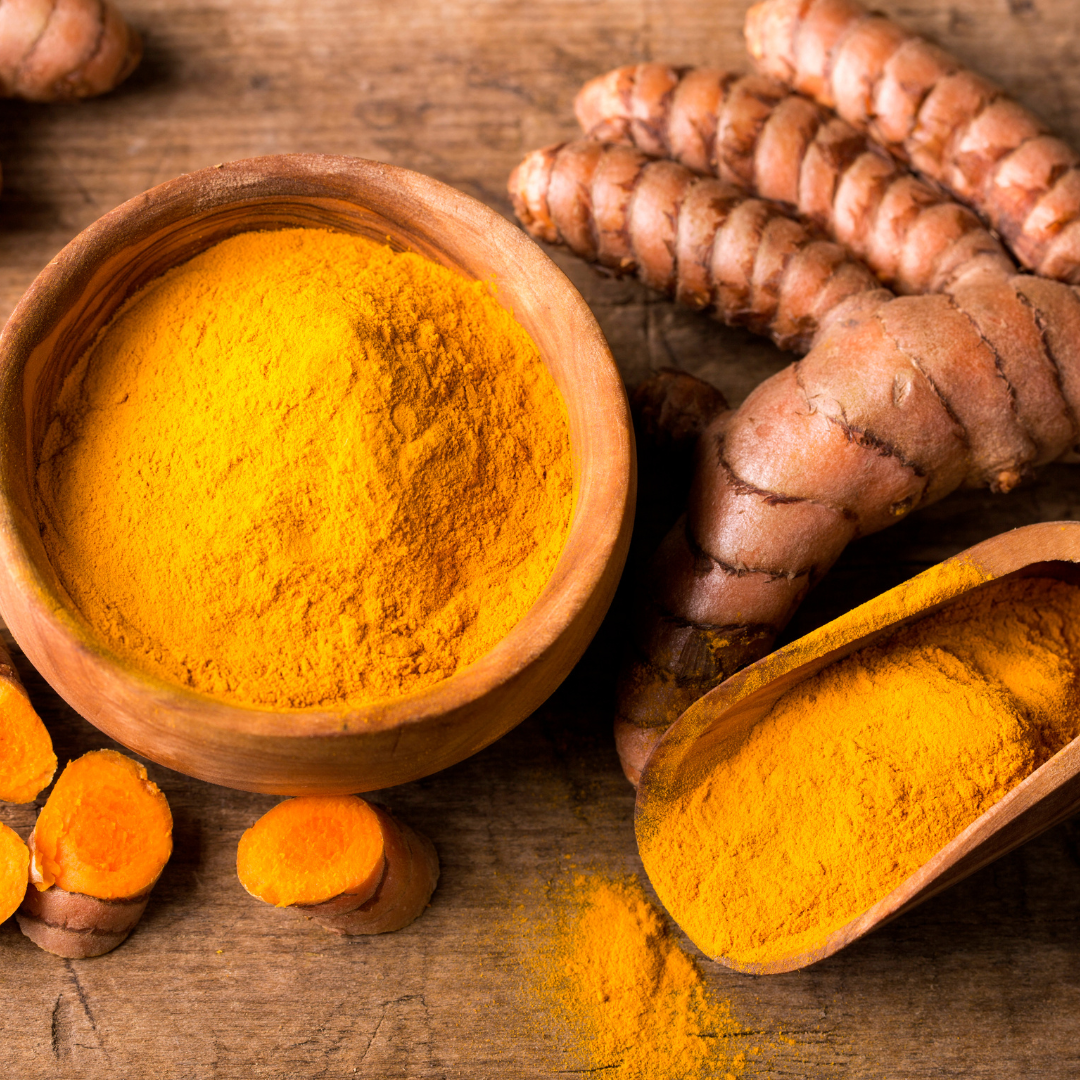

Turmeric is a versatile ingredient that has been popular in the kitchen and medicine for centuries. Rich in strong antioxidants, turmeric adds dishes not only a unique taste, but also health benefits. Let's find out more about what makes turmeric so valuable and where we can find it.
Turmeric - what is it and where to find it?
Turmeric (Curcuma Longa) is a perennial plant from the ginger family (zingiberaceae), widely known and valued not only as a spice of river cuisine, but also because of its healing properties. The popularity of turmeric in traditional medicine, especially Ayurvedic and Chinese, is not overestimated. It is also known under the name "Indian saffron" due to the characteristic, intense yellow color. This plant grows on live, well -drained soils in a warm, moist climate. Turmeric root, also known as a rhizome, is a part used for the production of spices and therapeutic extracts.How to use turmeric?
Turmeric can be used in any way, both in the kitchen and therapy. In the kitchen, it is used primarily as spices, gives dishes not only color, but also a characteristic, slightly bitter taste. In this version there are many spices such as curry.Tips for the use of turmeric
In the kitchen, turmeric is recommended for soups, sauces, rice and meat and vegetable dishes, blending well with black pepper, which increases the bioavailability of curcumin - a key component of turmeric. It can also be added to tea or used as an element of drinks, for example in the popular "golden milk" - a mixture of milk with turmeric, ginger, honey and pepper. Turmeric also occurs in the form of dietary supplements such as capsules, tablets and liquid extracts. It is important to choose preparations containing turmeric with piperine or phosphatidyloserin, which increases its absorptionTurmeric - application
Turmeric is widely used not only in culinary, but also in medicine, cosmetics and as a natural dye. It has been used in traditional treatment methods for thousands of years, especially in Ayurveda and traditional Chinese medicine, where its comprehensive therapeutic properties were appreciated. In the kitchen, turmeric is known for its intense, golden -yellow color, which gives dishes not only a unique look, but also a specific, slightly spicy taste. It is a component of many traditional dishes, including soups, sauces, marinades, rice and meat dishes, as well as an element of popular drinks such as "golden milk", which combines turmeric with milk, ginger, honey and pepper. In medicine, turmeric has a long history of use in the treatment of various ailments due to its anti -inflammatory, analgesic and antiseptic properties. Ayurveda recognizes turmeric as one of the basic herbs supporting the digestive system and cleansing of the body, as well as the inflammation soothing agent. Traditional Chinese medicine uses turmeric to improve circulation, treatment of pain and cardiovascular disorders. In cosmetics, turmeric is valued for its antioxidant properties, which contribute to the fight against signs of aging. It is often added to creams, serum and masks to improve skin tone, give it shine and elasticity. Her anti -inflammatory and antibacterial abilities make it also effective in acne therapy and other inflammation of the skin. Turmeric is also used as a natural dye, both in the food and textile industries. Its intense color makes it an excellent, safe replacement for synthetic dyes in products such as butter, cheese, yogurt and various types of drinks. In textiles, turmeric was traditionally used to color fabrics with a yellow-orange shade, adding them natural resistance to mold and insects. As part of scientific research, turmeric still raises great interest due to the potential health benefits associated with its main active ingredient - curcumin. Studies confirm its potential in the prevention and treatment of chronic diseases, such as cancer, heart disease, diabetes or neurodegenerative diseases, which makes it extremely versatile and a valued ingredient in many fields.Recipes for meals with turmeric
Golden milk
Ingredients- 1 cup of milk (it can be vegetable)
- 1 teaspoon of turmeric
- 1/4 teaspoon cinnamon
- 1/4 teaspoon ginger
- A pinch of black pepper
- 1 teaspoon of honey
Turmeric in smoothie
Ingredients- 1 banana
- 1 cup of coconut milk
- 1 teaspoon of turmeric
- 1/2 teaspoon ginger
- 1/2 teaspoon cinnamon
- 1 teaspoon of honey
Turmeric in supplements
Turmeric -containing dietary supplements reach the ground due to better bioavailability of even forms of curcumin. The following aspect is the selection of a supplement that contains additional ingredients, increased bioavailability of curcumin, such as piperine (ingredient in black pepper) or phosphatidyloserin. Types of turmeric supplements Capsules and tablets : sweetest forms of supplements. It also often includes additional ingredients supporting absorption. Liquid extracts: They can be added to drinks or consumed directly. Powders: They can be mixed with food or drinks.Turmeric - properties
Turmeric is exceptionally its main active ingredient - curcumin, which has a number of health -promoting properties. Statistical studies indicate that potential benefits in preventing and analyzing various legal states.Turmeric - what does it help?
Anti -inflammatory
Curcumin acts as a strong anti-inflammatory agent, inhibiting the activity of pro-inflammatory enzymes and inflammation mediators, such as TNF-α and IL-6 1.Antioxidant
Turmeric contains strong antioxidants that neutralize free radicals, reducing oxidative stress in the body 2.Anti -cancer
In vitro and in vivo studies such that curcumin can inhibit the development of cancer cells by modulating signaling routes. Supporting the fat system Turmeric can learn to digest by stimulating bile secretion, which helps in the decomposition of fats. Neuroprotective Curcumin has a protective effect on the nervous system, which can be beneficial in the therapy of neurodegenerative diseases such as Alzheimer's disease 5.Turmeric and slimming
Turmeric is becoming more and more popular in the context of slimming, mainly due to its properties supporting metabolism and reduction of body fat. Here's how turmeric can help in the weight loss process:Thermogenic properties
Turmeric has thermogenic properties, which means that it can accelerate calorie burning by increasing heat production in the body. This process helps to reduce body fat, because the body uses more energy to maintain body temperature.Metabolism regulation
Curcumin, an active component of turmeric, affects various enzymes and proteins involved in fat metabolism, helping in their more effective decomposition. Studies show that curcumin can affect adiponectin - a hormone regulating glucose and fatty acids.Reduction of inflammation
Obesity is often associated with chronic inflammation that may hinder the weight loss process. Turmeric, thanks to its strong anti -inflammatory properties, soothes inflammation, which can improve the overall metabolic health and facilitate weight reduction.Digestive system support
Turmeric supports digestion and improve the functioning of the digestive tract. Thanks to the stimulation of bile secretion, turmeric helps in a better decomposition of fats, which is crucial in the slimming process.Insulin level adjustment
Curcumin can help in stabilizing blood sugar levels, which is important for people with insulin resistance or type 2 diabetes. Stable blood sugar levels can reduce hunger attacks and facilitate control over body weight.Turmeric and curcumin
Turmeric includes many active entities, but the most famous and examined is curcumin. Curcumin itself accounts for about 2-5% of the turmeric content and it describes itself in the profile of health-promoting turmeric properties. Differences and actionTurmeric
Natural spice containing a mixture of curcuminoids, essential oils and other substances. Used both in culinary and traditional medicine.Curcumin
Transmission in the form of dietary supplements was used, due to low bioavailability in a natural form, which can be increased by adding piperine or liposomes.Contraindications and drug interactions
Like any substance, turmeric can have some contraindications and interactions with other drugs. People suffering from cholelithiasis should avoid it because it can cause gallbladder cramps. In addition, turmeric can affect anticoagulant drugs (anticoagulants), increasing the risk of bleeding. It is also worth knowing that turmeric can affect carbohydrate metabolism, which is important for people with diabetes.Summary
Turmeric, due to its versatile healing properties, plays an important role in both the kitchen and medicine. Its active ingredient, curcumin, has potential benefits in preventing and treating many diseases, especially those that with inflammation and oxidative stress. It would be worth using it both in traditional form and in the form of dietary supplements.Sources
Aggarwal, Bharat B. and Bokyung Sung. "Pharmacological foundations of the role of curcumin in chronic diseases: eternal spice with modern goals." Trends in Pharmacological Sciences 30.2 (2009): 85-94. ↩ Menon, Vinod P. and Anant G. Sudheer. "Antioxidant and anti -inflammatory properties of curcumin." Advans in Experimental Medicine and Biology 595 (2007): 105-125. ↩ Bachmeier, Beatrice E. et al. "Curcumin reduces the level of inflammatory cytokines CXCL1 and -2 in breast cancer cells through NFKAPPAB." Carcinogenesis 29.4 (2008): 779-789. ↩ Hodge, Dr. and Hodge, G. (2000). "The role of curcumin in inhibiting the synthesis of prostaglandin and relieving inflammation" Journal of Medicinal Food 3 (2), 81-84. ↩ Baum, L. and Ng, A. (2004). "Interaction of curcumin with phospholipid membranes: morphological examination" Alzheimer Disease and Associated Disorders 18 (1), 11-15. ↩ Deodhar, Sachin D. et al. "Preliminary examination over the anti -rheumatic effect of curcumin (diferuloilomethane)." Indian Journal of Medical Research 75 (1982): 574-578.
Dietician
Karolina Dobrowolska-Zrałka
doktor nauk medycznych i nauki o zdrowiu, dietetyk kliniczny Absolwentka studiów I i II stopnia na kierunku dietetyka oraz doktorantka w Szkole Doktorskiej Uniwersytetu Medycznego we Wrocławiu
Więcej artykułów autoraLooking for a nutritious and filling meal?
Discover Supersonic Smart Meal! A nutritious meal you can prepare in seconds!

150 reviews


