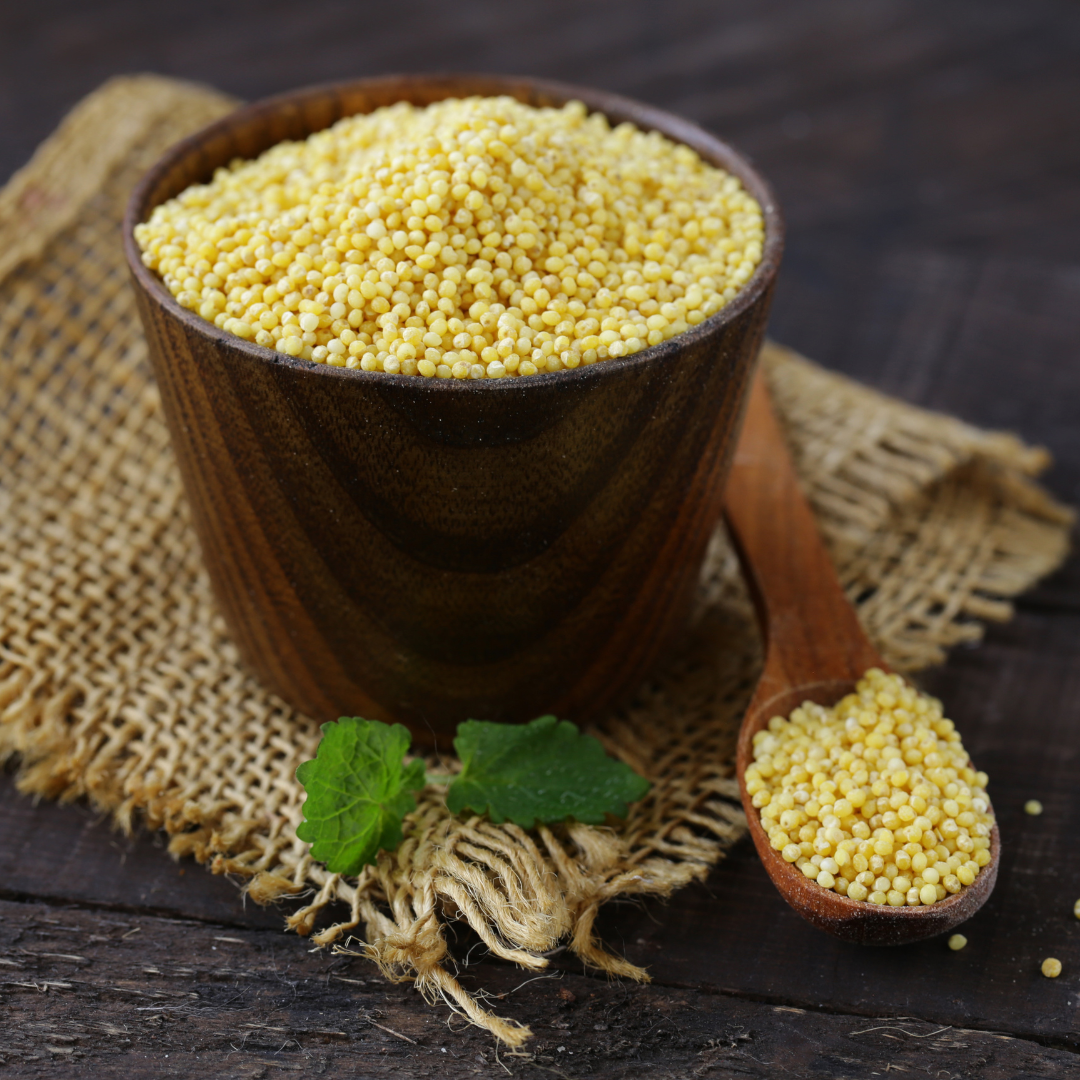

Millet, also known as millet, is one of the oldest known types of cereals and is becoming more and more popular due to its health properties. In this section, we'll take a closer look at why millet is valuable in the diet and what health benefits it can bring.
Millet - properties and why is it valuable?
Millet stands out from other cereals with its rich nutritional profile and health properties. It is a source of many valuable nutrients, such as vegetable protein, fiber, vitamins and minerals. Its high nutritional values are especially important for people who care about a healthy and balanced diet. The protein contained in millet is full -fledged, which means that it provides all the necessary amino acids that the body needs for proper functioning. In addition, millet is particularly rich in iron, which is necessary for the production of red blood cells and oxygen transport in the body. The fiber present in millet supports the health of the digestive system, improving intestinal peristalsis and helping to maintain normal body weight. Millet is also a source of antioxidants that neutralize free radicals, reducing the risk of many chronic diseases, including cancer and heart disease.Millet - glycemic index and effect on blood sugar levels
The glycemic index (IG) is an indicator that measures how quickly the carbohydrates contained in food increase blood sugar levels. Millet has a relatively low glycemic index, which means that it affects blood sugar in a mild and degree. This makes her a good choice for people with diabetes or insulin resistance, which must control glucose. In practice, this means that millet can help stabilize blood sugar levels, which is beneficial for people who care about metabolic health and for those who want to avoid sudden jumps and blood sugar drops. Thanks to this, millet is not only a nutritious but also a functional addition to the diet.Millet - nutritional value and importance for a balanced diet
Millet is a very valuable component of the diet that provides a wide range of nutrients. It contains protein, fiber, B vitamins (including vitamin B1, B2, B6) and minerals such as magnesium, phosphorus, copper and zinc. These nutrients are necessary to maintain health at the cellular level, support metabolic functions, and also improve the condition of the skin, hair and nails. Millet is also particularly beneficial for people who are on a gluten -free diet because it does not contain gluten, which makes it the right choice for people suffering from celiac disease or hypersensitivity to gluten. Including millet into the diet can also help reduce blood cholesterol and support heart health thanks to its favorable cardiovascular properties.Is millet healthy? Health benefits and inclusion in the daily menu
Millet is a product that offers a number of health benefits, from heart and digestive health support to stabilization of blood sugar levels. Including it in the daily menu can contribute to the overall improvement of health and well -being. It can be used as a healthy alternative to other sources of carbohydrates, such as rice or potatoes, and easily adapts to different cooking styles, both in the form of main dishes and additives. Examples of millet dishes are salads, soup, pilawa and as an addition to meats and vegetables. Its neutral taste makes it versatile and can be easily enriched with your favorite spices and accessories, which allows you to create various and tasty meals.Millet - contraindications and who should give up millet
Despite numerous health benefits, millet may not be suitable for everyone. Although this is rare, some people may experience individual allergic reactions or intolerance. In addition, people with problems with the absorption of nutrients, such as people with bowel diseases, should monitor the intake of millet to make sure that their diet is properly balanced. It is also worth remembering that millet, like other cereals, should be part of a balanced diet. It is important not to rely on only one diet component, but include various sources of protein, vitamins and minerals to ensure full cover of the body's nutrition.Summary
Millet is a unique component of a diet that offers many health benefits thanks to its nutritional properties. Its low glycemic index, a rich content of fiber, protein and minerals, as well as its versatility in the kitchen, make it a great choice for people who care about health. However, as with any diet component, it is important to monitor any contraindications and enable it as part of a balanced diet.Sources
M. P. Gupta, "Nutritional and Health Benefits of Millets: A review," Journal of Food Science and Technology, vol. 54, no. 6, pp. 1825-1833, 2017. L. J. Anderson, "The Impact of Dietary Fiber on Blood Glucose Control," Nutrition Reviews, vol. 67, no. 7, pp. 463-470, 2009. R. S. Patil et al., "Health Benefits of Whole Grains and Their Components," Journal of Nutritional Biochemistry, vol. 23, no. 4, pp. 239-249, 2012.
Dietician
Karolina Dobrowolska-Zrałka
doktor nauk medycznych i nauki o zdrowiu, dietetyk kliniczny Absolwentka studiów I i II stopnia na kierunku dietetyka oraz doktorantka w Szkole Doktorskiej Uniwersytetu Medycznego we Wrocławiu
Więcej artykułów autoraLooking for a nutritious and filling meal?
Discover Supersonic Smart Meal! A nutritious meal you can prepare in seconds!

150 reviews


