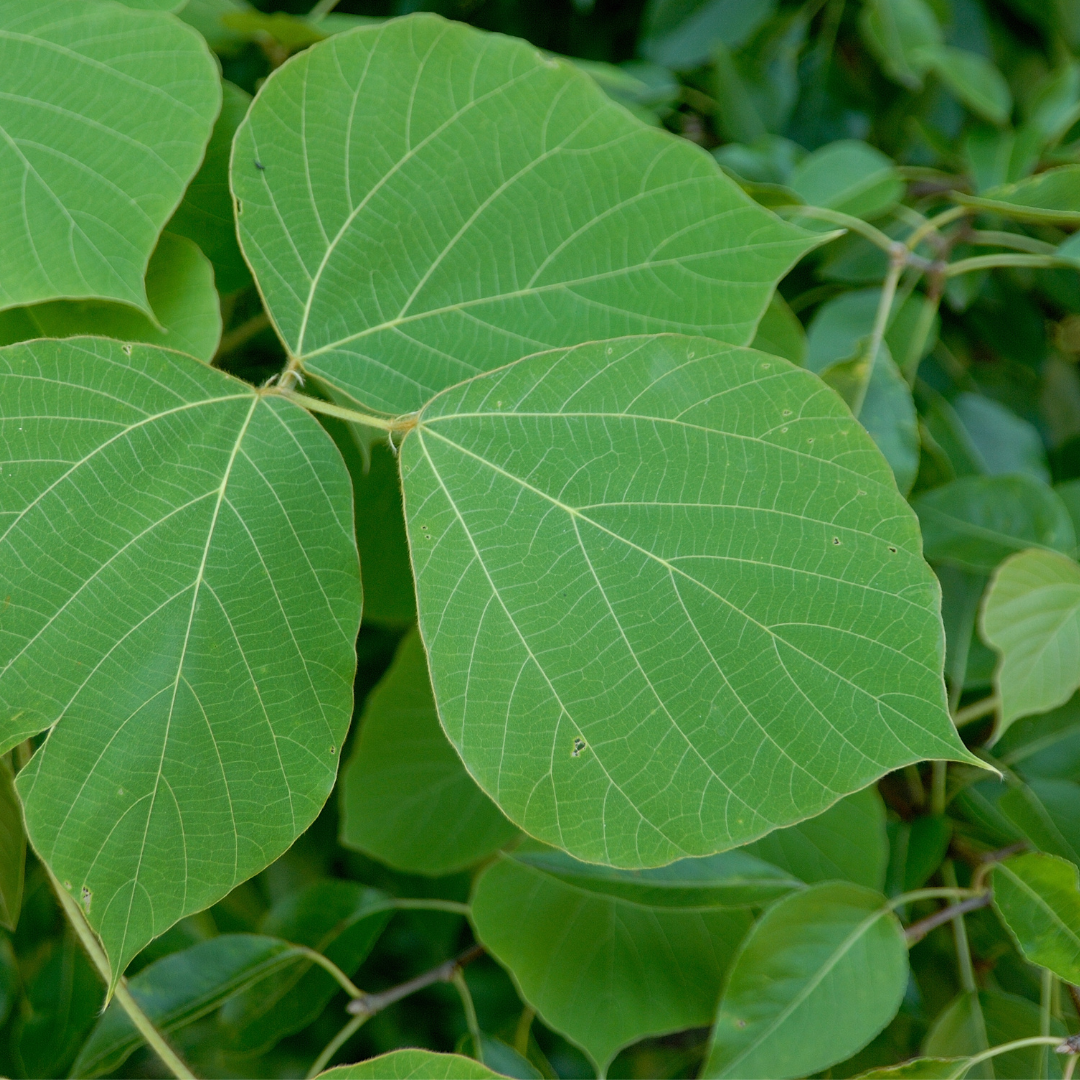

Kudzu (Pueraria Lobata) is a plant with a long history of use in traditional medicine, especially in Asian countries. Knotted for rapid growth and the ability to cover large areas, Kudzu is valued for her roots, which are rich in isoflavones - chemicals with strong antioxidant and anti -inflammatory effects. Kudzu root is used to treat various ailments, from menopause symptoms to heart health support.
Kudzu root - health benefits and healing properties
Kudzu's root is rich in isoflavones such as Daidzeina, Daidzin and Puerrarin, which have numerous health benefits. These isoflavones act as phytoestrogens, which means that they can imitate estrogen in the body, helping to alleviate menopause symptoms. In addition, Kudzu's root has anti-inflammatory, antioxidant and neuroprotective properties, which makes it effective in the treatment of various diseases, including cardiovascular and neurodegenerative diseases.Kudzu's action - how does it affect the body and what therapeutic effects does it have?
Kudzu's root affects the body through several mechanisms of action. Its isoflavones can regulate hormone levels, reduce inflammation and oxidative stress, as well as support heart and brain health.Menopause and Kudzu herb
Kudzu is particularly effective in alleviating menopause symptoms, such as hot strokes, night sweats, mood changes and vaginal dryness. Thanks to their phytoestrogenic properties, the isoflavones in Kudzu root help stabilize the level of hormones, which can significantly improve the quality of life of women passing by menopause.Kudzu herb and support for the cardiovascular system
Kudzu also has a beneficial effect on the cardiovascular system. Isoflavones in Kudzu can help reduce blood pressure, improve the lipid profile and reduce the risk of atherosclerosis. The antioxidant effect of Kudzu helps protect blood vessels from oxidative damage, which can lead to improving heart health and blood vessels.Side effects of Kudzu root - potential negative reactions and how to avoid them
Although Kudzu's root is generally safe, some side effects may occur. The most frequently reported include:- Allergic reactions - They can occur in people allergic to the ingredients of Kudzu.
- Gastrointestinal problems - diarrhea, abdominal pain and nausea.
- Drug interactions - Kudzu can affect some drugs, especially those affecting hormones.
Kudzu - health properties and practical application
Kudzu has a wide spectrum of health properties. In addition to alleviating the symptoms of menopause and heart support, Kudzu can be used to treat:- Migraine pain - Thanks to the anti -inflammatory properties, Kudzu can help soothe migraine pain.
- Neurodegenerative diseases - Kudzu isoflavones can protect nerve cells from damage and support brain health.
What time can you expect Kudzu?
The effects of using Kudzu may vary depending on the person and the health problem. In the case of alleviating menopause symptoms, some women may notice improvement after a few weeks of regular use. In the case of supporting heart health or treatment of alcoholism, the action of Kudzu may require a longer time, even several months. It is recommended to use Kudzu in accordance with the manufacturer's instructions or under the supervision of a doctor. Dosage may vary depending on the form of the supplement and the purpose of its use.Summary
Kudzu is a versatile herb with many health benefits. Thanks to their phytoestrogenic, anti -inflammatory and antioxidant properties, Kudzu can support the health of menopause women, heart health and general well -being. Although it is generally safe, it is worth remembering the potential side effects and drug interactions. Regular use of Kudzu under the supervision of a specialist can bring significant health benefits.Sources
Keung, W. M., & Vallee, B. L. (1998). "Kudzu root: an ancient chinese source of modern antidipsotropic agents." Phytochemistry. Dugasani, S., et al. (2010). "Comparative Antioxidant and Anti-inflammorats effect of the Medicinal Plant Extracts of Five Different Puraaria species." Food and chemical toxicology. Lam, W. K., & Leung, H. T. (2014). "Isoflavones from Puraria lobata alleviata oxidative stress and improve lipid profile in ovariectomized rats." Journal of Ethnopharmacology.
Dietician
Karolina Dobrowolska-Zrałka
doktor nauk medycznych i nauki o zdrowiu, dietetyk kliniczny Absolwentka studiów I i II stopnia na kierunku dietetyka oraz doktorantka w Szkole Doktorskiej Uniwersytetu Medycznego we Wrocławiu
Więcej artykułów autoraLooking for a nutritious and filling meal?
Discover Supersonic Smart Meal! A nutritious meal you can prepare in seconds!

150 reviews
![Ranking kreatyny [2026] - TOP 10 produktów, które warto znać](http://supersonicfood.com/cdn/shop/articles/kreatyna-ranking_c1a64d3a-0854-4df3-8a54-c034300baab7.jpg?format=webp&v=1786623654&width=1100 "Ranking kreatyny [2026] - TOP 10 produktów, które warto znać")


