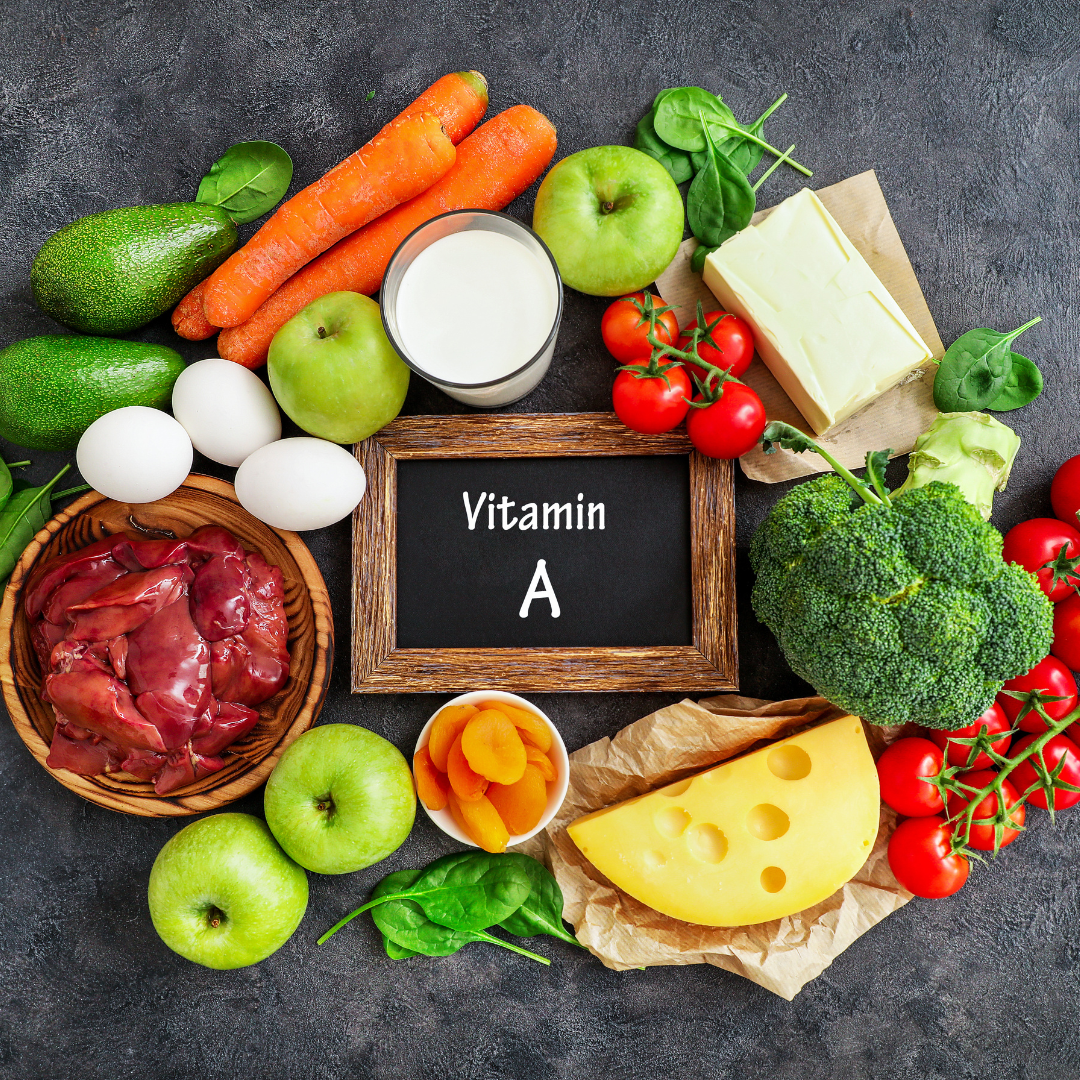

Welcome to our blog dedicated to health and healthy eating. Today's topic is vitamin A - a relationship extremely important for our health, having a wide spectrum of activities for various systems and processes in the body. Throughout the next sections I will lead you through all the important aspects of this vitamin so that you can fully understand its role, meaning and ways to supplement it in your diet.
Vitamin A - properties and role in the body
Vitamin A is a group of fat-soluble compounds, including retinoids (e.g. retinol, retinal, retinic acid) and provitamin A (carotenoids, e.g. beta-carotene). From a chemical point of view, retinoids contain polien networks, which allows them to transform and perform various biological functions.Structure and functions
Retinol, which is the main form of vitamin A, is stored in the liver and released if necessary. Retainal, in turn, is necessary in the process of vision, being a component of rhodopsy in the retina. Retinic acid acts as cancer regulators, responsible for cell differentiation.Vitamin A - what does it help?
Vitamin A is an inseparable component of the proper functioning of many systems in the body and the health maintenance process.Visual system
One of the most famous roles of vitamin A is its participation in the vision process. Retainal, which is an active form of vitamin A, connects with Opsy (retina protein), forming rhodopyin. This process is important for the ability to see in conditions of reduced lighting.Immune system
Vitamin A plays an important role in the functioning of the immune system. It increases the production and disc effect of T lymphocytes, which are important defensive cells of the body. It is also important in the production of Mukoz, barriers to protect epithelium against microorganisms.Cell development and differentiation
Retinic acid, the form of vitamin A, affects the differentiation of cells and gene expression. This is especially important in the aspect of fetal and newborns development. Lack of an adequate level of vitamin A can lead to malformations.Skin health
Retinoids are widely used in dermatology due to their ability to regulate skin growth and keratosis. They are effective in the treatment of acne, psoriasis and photoaging.Deficiency and excess vitamins A
The balance of vitamin A levels in the body is important for health. Both deficiency and excess can lead to serious health consequences.Vitamin A deficiency
Vitamin A deficiency is a global health problem, especially in children in developing countries. Symptoms of deficiency may include:- Photocopier: Phenomenon of dry eyes that can lead to blindness.
- Growth inhibition: Affects the development of bones and muscles.
- Weakening of the immune system: Increases susceptibility to infections.
- Skin problems: Dryness and keratosis of the epidermis.
Excess vitamins A
On the other hand, excess vitamin A (hyperwitaminosis A) is a toxic state and can lead to symptoms such as:- Headaches: As a result of an increase in intracranial pressure.
- Nausea and vomiting: Gastroenterological symptoms.
- Hepatic disorders: Hepatotoxicity with chronic excess.
- Bone disorders: As a result of an osteoclast and osteoblast balance disorder.
Sources of vitamins A - where is vitamin A in food?
The diverse diet can provide the right amount of vitamin A. We divide the natural sources of this vitamin into those originating with animal (retinoids) and plant (carotenoids).Animal sources
Animal products contain a pre -reformed vitamin A, which has higher bioavailability. It is recommended:- Liver: The richest source, but requires moderation due to the risk of hyperwitaminosis.
- Fatty fish: Such as salmon or mackerel.
- Eggs: Egg yolks provide vitamin A.
- Dairy: Especially butter, cheese and cream.
Plant sources
Vegetables and fruits of intense colors are rich in carotenoids. Some of them are:- Carrot: Contains beta-carotene, which the body transforms into vitamin A.
- Sweet potatoes: A rich source of carotenoids.
- Spinach and other dark green deciduous vegetables: Perfect for vegetarians and vegans.
- Red pepper: High beta-carotene content.
Metabolism of vitamins A
Understanding the mechanisms of absorption, transport and metabolism of vitamin A is important for the full understanding of its role.Absorption
Vitamin A is absorbed in the small intestine in the presence of fats. For optimal absorption, it should be eaten with meals containing fats, which increases bioavailability.Transport
After absorption, vitamin A is associated with plasma proteins and transported to the liver, where it is stored. At the time of demand, retinol is released into the bloodstream.Storage and metabolism
The liver is the main vitamin A magazine in the body. Retinic acid is metabolized to active form in various tissues, including in the skin and nervous system.Summary
Vitamin A is an indispensable element of health. Its multidimensional effects affect the visual, immune, cell development and skin. The balance of its level is important, and a rich and varied diet can ensure the optimal level of this vitamin in the body.Sources
Penniston, K. L., & Tanumihardjo, S. A. (2006). The Acute and Chronic Toxic Effects of Vitamin A. The American Journal of Clinical Nutrition, 83 (2), 191-201. Sommer, A. (2008). Vitamin a Deficiency and Clinical Disease: an Historical Overview. The Journal of Nutrition, 138 (10), 1835-1839. Harrison E.H. (2012). Mechanisms of Digestion and Absorption of Dietary Vitamin A. Annual Review of Nutrition, 32, 37-58.
Dietician
Karolina Dobrowolska-Zrałka
doktor nauk medycznych i nauki o zdrowiu, dietetyk kliniczny Absolwentka studiów I i II stopnia na kierunku dietetyka oraz doktorantka w Szkole Doktorskiej Uniwersytetu Medycznego we Wrocławiu
Więcej artykułów autoraLooking for a nutritious and filling meal?
Discover Supersonic Smart Meal! A nutritious meal you can prepare in seconds!

150 reviews


