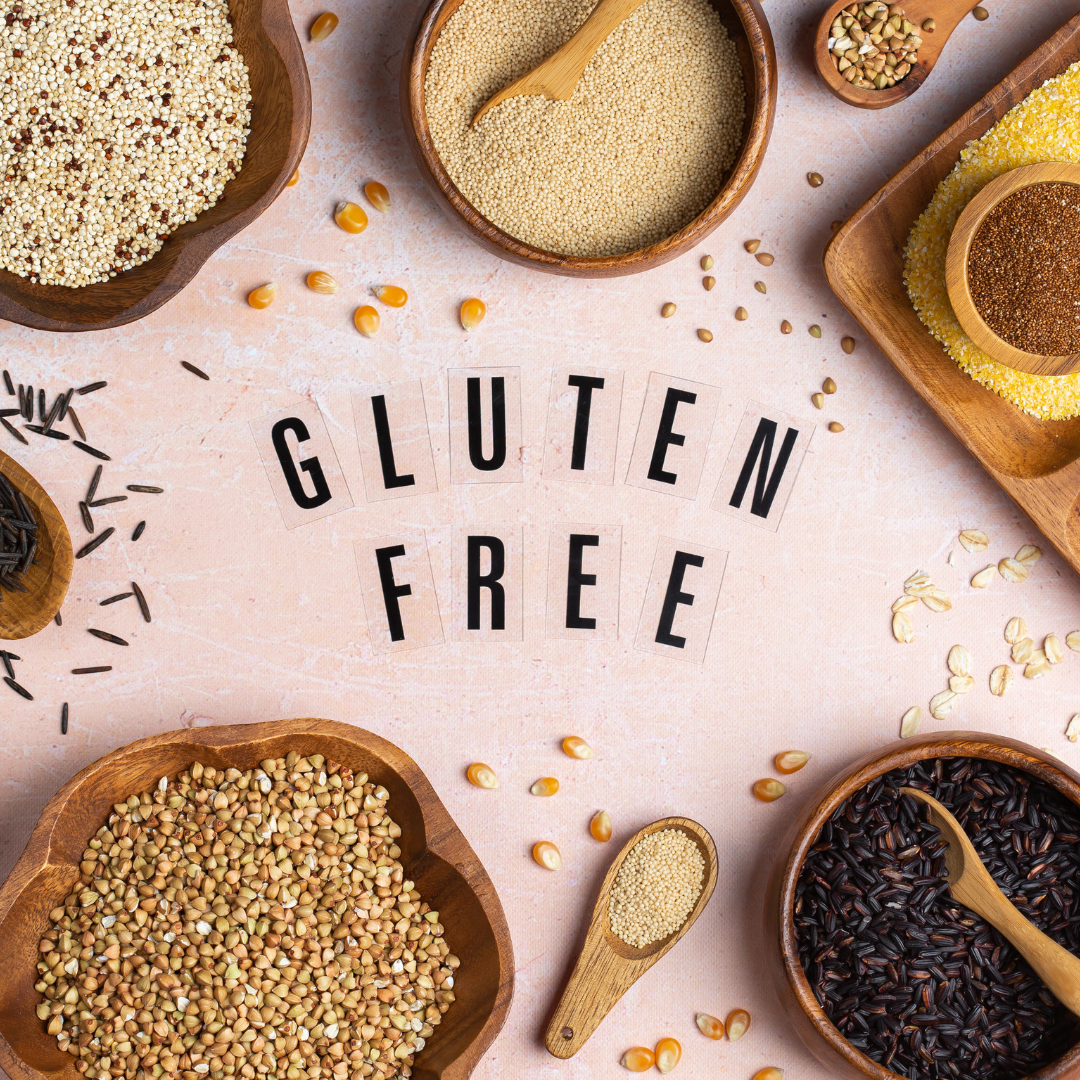

A gluten -free diet is gaining popularity not only among people with celiac disease, but also among those who are looking for healthy alternatives for their daily diet. Considering its introduction should be preceded by a consultation with a doctor or dietitian to make sure that this is a necessary and healthy solution for our health situation.
What is a gluten -free diet?
The gluten -free diet involves the elimination of all gluten -containing products from the menu. Gluten is a protein present in wheat, barley, life and their derivatives. It performs a structural function in bakery products, giving them flexibility and helping to keep the shape.What is gluten and what products are it in?
Gluten is a protein found naturally in some grains, such as wheat, barley and rye. He is responsible for the elasticity and stickiness of the dough, which is extremely important in the production of bread and other confectionery. Although for most people gluten is not a problem, people with celiac disease or intolerance to gluten must avoid products containing this protein to prevent health problems. Gluten can be found in various food products, not only in obvious, such as bread or pasta. It can also appear in sauces, soups, processed meats and many products ready to eat. Therefore, people avoiding gluten must carefully read food labels and be aware of which products it can hide.Who should use a gluten -free diet?
1. Celiac disease
Celiac disease is an autoimmune gluten -dependent disease in which gluten consumption leads to damage to the small intestinal mucosa. Symptoms may include:- Abdominal pain
- Diarrhea
- Flatulence
- Weight loss
- Vitamin deficiencies
2. Gluten intolerance (hypersensitivity)
People with gluten intolerance can experience symptoms similar to celiac disease, such as abdominal pain and a feeling of fatigue, but serological studies and biopsy do not show changes in celiac disease. A gluten -free diet can significantly improve the quality of life of these people.3. Allergy to wheat
Allergy to wheat can be manifested by allergic reactions, e.g. urticaria, swelling and even anaphylactic shock after consuming wheat products. In such people, elimination of gluten is also necessary.Gluten -free products - what to eat?
You can consume various products on a gluten -free diet. Naturally gluten -free cereals, such as rice, corn, buckwheat, amaranth, quinoa and proso, are an excellent base of many meals. It is also worth including all fresh fruit and vegetables in the diet, which are naturally gluten -free and rich in vitamins and minerals. Animal protein, such as meat, fish and eggs, also does not contain gluten and can be safely consumed. When it comes to dairy products, milk, cheese and yogurt are gluten -free, unless they contain gluten additives. Processed products marked as "gluten -free" can also be part of the diet, but it is always worth reading labels to make sure about their composition.What to avoid on a gluten -free diet?
Gluten -containing products:
- Wheat (including spelled and kamut)
- Rye
- Barley
- Triticale
Potentially suspicious products:
- Sauces, powder soups (they may contain gluten as a thickener)
- Sausages and canned goods (they may contain gluten as a filler)
- Snacks and sweets (they may contain wheat flour)
Recipes for gluten -free dishes
1. Buckwheat pancakes:
Ingredients:- 1 cup of buckwheat flour
- 1 cup of milk (or vegetable milk)
- 1 egg
- 1 tablespoon of oil
- Salt to taste
2. Quinoa with vegetables:
Ingredients:- 1 cup quinoa
- 2 cups of vegetable broth
- 1 carrot
- 1 pepper
- 1 zucchini
- 1 onion
- Salt, pepper, favorite spices
Gluten -free diet and vitamins and minerals - the risk of deficiencies
The use of a gluten -free diet can affect the amount of vitamins and minerals taken, so it is important to pay attention to proper balance of meals. Cereal products that are a source of gluten, such as wheat, rye and barley, often provide the body with fiber, B vitamins and iron. Therefore, people on a gluten -free diet should take care of the consumption of products rich in these nutrients, e.g. brown rice, buckwheat, rice quinoa, deciduous vegetables, nuts and seeds. In addition, it is worth considering vitamin supplementation after consulting a doctor or dietitian to ensure an adequate level of nutrients and avoid deficiencies that can affect general health and well -being.Gluten -free diet in practice
Meal planning
It is good to plan meals to avoid accidental gluten consumption. It is worth using products marked as "gluten -free" and always read labels.Food in restaurants
When eating outside the home, it is necessary to inform the service of a gluten -free diet. Choose restaurants offering a gluten -free menu. Avoiding temptations and errors Regular control of labels and ensuring that in the home kitchen there is no contamination (e.g. by using the same vessels for gluten and gluten -free products) is important for health.Summary
A gluten -free diet is necessary for people with celiac disease, gluten intolerance and wheat allergy. Thanks to the appropriate products and prescribed diagnostic tests, you can effectively control symptoms and improve the quality of life. It is important to consciously manage diet and avoid hidden sources of gluten.Sources
Fasano, A., Catassi, C. (2012). Current Approaches to Diagnosis and Treatment of Celiac Disease: An Evolving Spectrum. Gastroenterology, 120 (3), 636-651. Green, P.H.R., Cellier, C. (2017). Celiac Disease. The New England Journal of Medicine, 357 (17), 1731-1743. Koning, F. (2018). Celiac Disease: Caught Between a Rock and A Hard Place. Nature reviews Immunology, 5 (8), 696-703.
Dietician
Karolina Dobrowolska-Zrałka
doctor of medical sciences and health sciences, clinical dietitian A graduate of first and second cycle studies in dietetics and a doctoral student at the Doctoral School Medical University of Wrocław
Więcej artykułów autoraLooking for a nutritious and filling meal?
Discover Supersonic Smart Meal! A nutritious meal you can prepare in seconds!

5| 193 reviews


