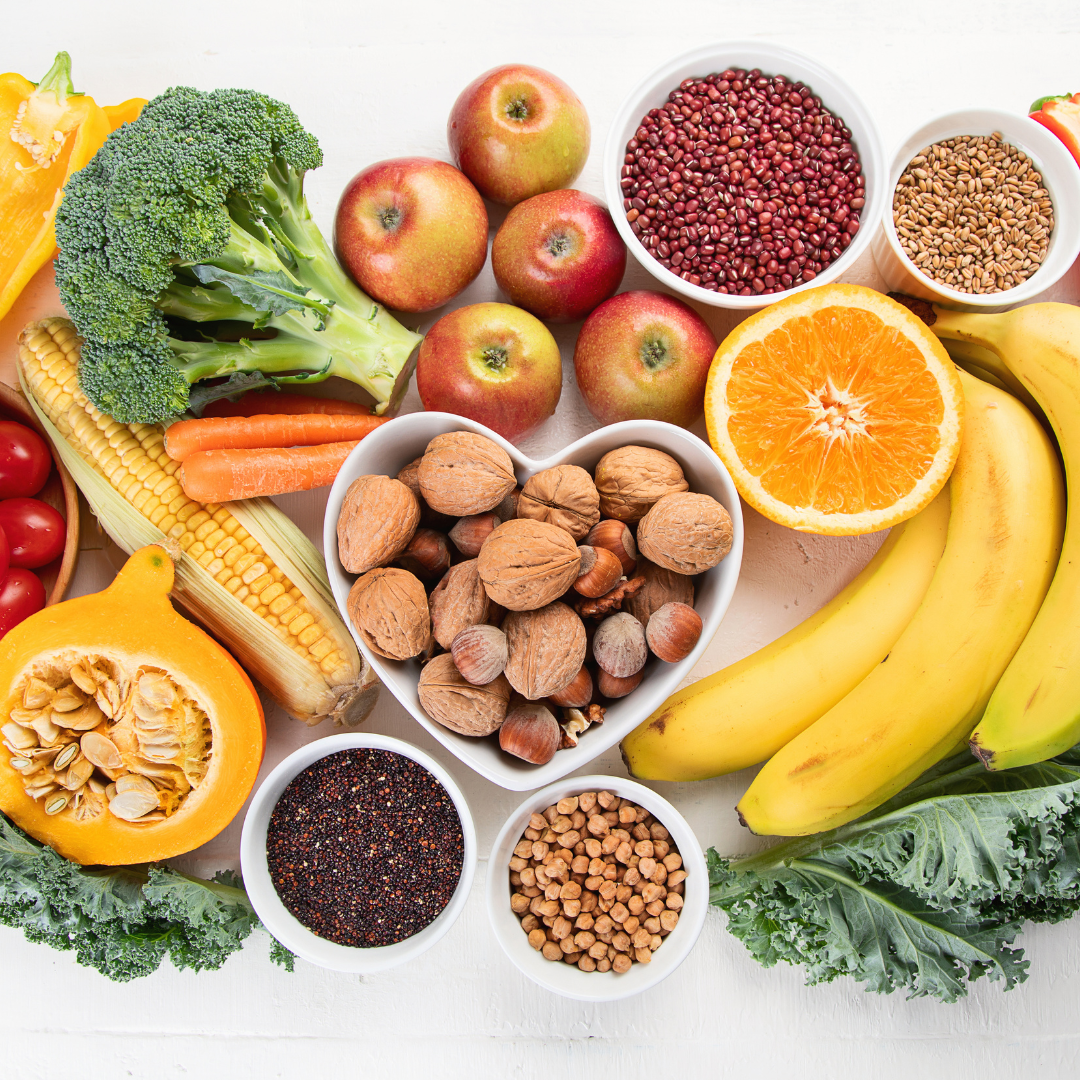

Fiber, also known as food fiber, plays an important role in our daily diet. Fiber supplementation may be a necessary support in many situations, aimed at improving the functioning of the digestive system, the prevention of some diseases and supporting a healthy lifestyle. In this article we will discuss various aspects related to fiber supplementation, in why it is worth supplementing it, who should do it, the differences between fiber in tablets and soluble fiber, the impact of fiber on constipation and how to properly use fiber as a dietary supplement.
Why supplement fiber?
Dietary fiber is an essential element of a healthy diet. We have two main fiber classifications: soluble and insoluble. Soluble fiber, found in nightshade, fruit, vegetables, nuts and flax seeds, attracts water and creates a gel that slows down the digestion process. In contrast, insoluble fiber, present in whole grain products, bran and vegetables, accelerates the flow of food through the stomach and intestines. Although natural fiber sources are preferred, in many cases fiber supplementation is necessary. This may be the result of specific health conditions or insufficient fiber intake in the diet. Fiber supplementation can support intestinal health, weight control, risk reduction of cardiovascular disease and stabilization of blood glucose levels.Who should supplement fiber?
Different groups of people may require fiber supplementation for various reasons:People with intestinal disorders
People suffering from irritable bowel syndrome (IBS) or intestinal inflammatory diseases (IBD), such as Crohn's disease or ulcerative colitis, may need additional fiber to improve intestinal motility.People on diets limiting calories
Fiber supplementation is valuable for people on slimming diets, because fiber increases the feeling of satiety, which can lead to a reduction in calorie intake.People at risk of cardiovascular disease
Fiber can reduce cholesterol and support the healthy function of the cardiovascular system, which is especially important for people at increased risk of these diseases.People with diabetes:
Dietary fiber supports the control of blood glucose levels by slowing down the absorption of sugars, which is beneficial for people with types of diabetesOlder people:
Older people often have problems with intestinal peristalsis and can use additional fiber to improve digestive functions and prevents constipation.Fiber in tablets and soluble fiber
Fiber in the form of dietary supplements, including fiber in tablets, is easily accessible and convenient to use. However, it is worth understanding the differences between him and the soluble fiber present in natural sources.Fiber in tablets
- It is a form of fiber, which is available in the form of capsules or tablets. Different types of food fiber can be formulated in this way, including both soluble and insoluble fiber.
- The advantage of fiber in tablets is precise dosage and ease of use, especially for people with digestive disorders or a limited diet.
- Tablets with fiber may contain, among others Psyllium (psyllium grandmother), inulin, cellulose or methylcellulose.
Soluble fiber
- Natural soluble fiber is found in fruit, vegetables, nuts, seeds and legumes.
- Examples of soluble fiber include pectin, beta-glucated, vegetable rubber and plant locks.
- Unlike supplements, fiber soluble from natural sources also provides vitamins, minerals and antioxidants, supporting overall health.
Fiber and constipation
Constipation is a common digestive problem that can have various causes, from a diet poor in fiber to lack of physical activity and improper eating habits. Fiber in constipation tablets is one of the effective solutions in the fight against this problem. Fiber works in several ways to improve intestinal regularity:Increasing the volume of the stool
Fiber, especially insoluble fiber, increases the volume of the stool, which helps in stimulating intestinal peristalsis.Softening of the stool
Soluble fiber absorbs water, creating a gel that softens the stool, making it easier to explore.Adjusting the time of the passage of food content in the intestines
Adequate fiber supplementation can support regular bowel movements by regulating the time of food transition in the intestines. Regarding the use of fiber for constipation, it is worth consulting a doctor or dietitian to adapt the dose to individual needs and avoid potential side effects such as flatulence or colic.Fiber - dietary supplement - how to use?
The use of fiber as a dietary supplement requires taking into account several rules to ensure maximum health benefits and avoid potential problems.Initial dosage and increasing
It is recommended to start supplementation with low doses, gradually increasing the amount. A sudden introduction of large amounts of fiber can lead to flatulence and intestinal discomfort.Proper hydration
Eating large amounts of fiber requires increased water intake. Insufficient hydration can lead to constipation and other digestive problems.Consultation with a specialist
Before you start fiber supplementation, consult a doctor or dietitian, especially if you have existing diseases, such as diabetes, heart disease or intestinal disorders.Integration with diet
Fiber supplements should be treated as a complement, not a replacement for a healthy diet rich in natural fiber sources, such as vegetables, fruits, whole grain products and legumes.Observation of the body's reaction
Monitor your body's reactions to fiber supplementation. If undesirable symptoms, such as severe bloating, abdominal pain or constipation occur, consult a doctor.Side effects and contraindications
While fiber is safe for most people, there are some situations in which its supplementation can lead to side effects or be contraindicated. A rapid increase in fiber supply can lead to flatulence and increased gas production, which may be uncomfortable, and to abdominal pain and discomfort. People with serious intestinal narrowing should avoid increased fiber supply, and its use should also be consulted with a doctor because it can affect the absorption of some drugs.Natural fiber sources
Fiber can be easily supplied from natural sources, such as fruit, vegetables, whole grain cereal, nuts and seeds. Fruits such as apples, pears and berries are particularly rich in fiber. Vegetables, such as broccoli, carrots and Brussels sprouts, also provide significant amounts of fiber. Whole grain cereal products, such as brown rice, oats and whole grain bread, are another excellent source of fiber. Nuts and seeds, including almonds, linseed and chia, also contribute to increasing the supply of fiber in the diet. A well -balanced diet that provides the right amount of fiber is important to health. Fiber supplementation should be considered in the context of individual needs and in consultation with a specialist to ensure its safety and effectiveness.Sources
Slavin, J. L. (2005). Fiber and Body Weight dietary. Nutrition, 21 (3), 411-418. Anderson, J. W., Baird, P., Davis Jr, R. H., Ferreri, S., Knudtson, M., Koraym, A., ... & Williams, C. L. (2009). Health Benefits of Dietary Fiber. Nutrition Reviews, 67 (4), 188-205. Marlett, J. A., McBurney, M. I., & Slavin, J. L. (2002). Position of the American Diettic Association: Health implications of dietary fiber. Journal of the American Dietetic Association, 102 (7), 993-1000.
Dietician
Karolina Dobrowolska-Zrałka
doktor nauk medycznych i nauki o zdrowiu, dietetyk kliniczny Absolwentka studiów I i II stopnia na kierunku dietetyka oraz doktorantka w Szkole Doktorskiej Uniwersytetu Medycznego we Wrocławiu
Więcej artykułów autoraLooking for a nutritious and filling meal?
Discover Supersonic Smart Meal! A nutritious meal you can prepare in seconds!

150 reviews


