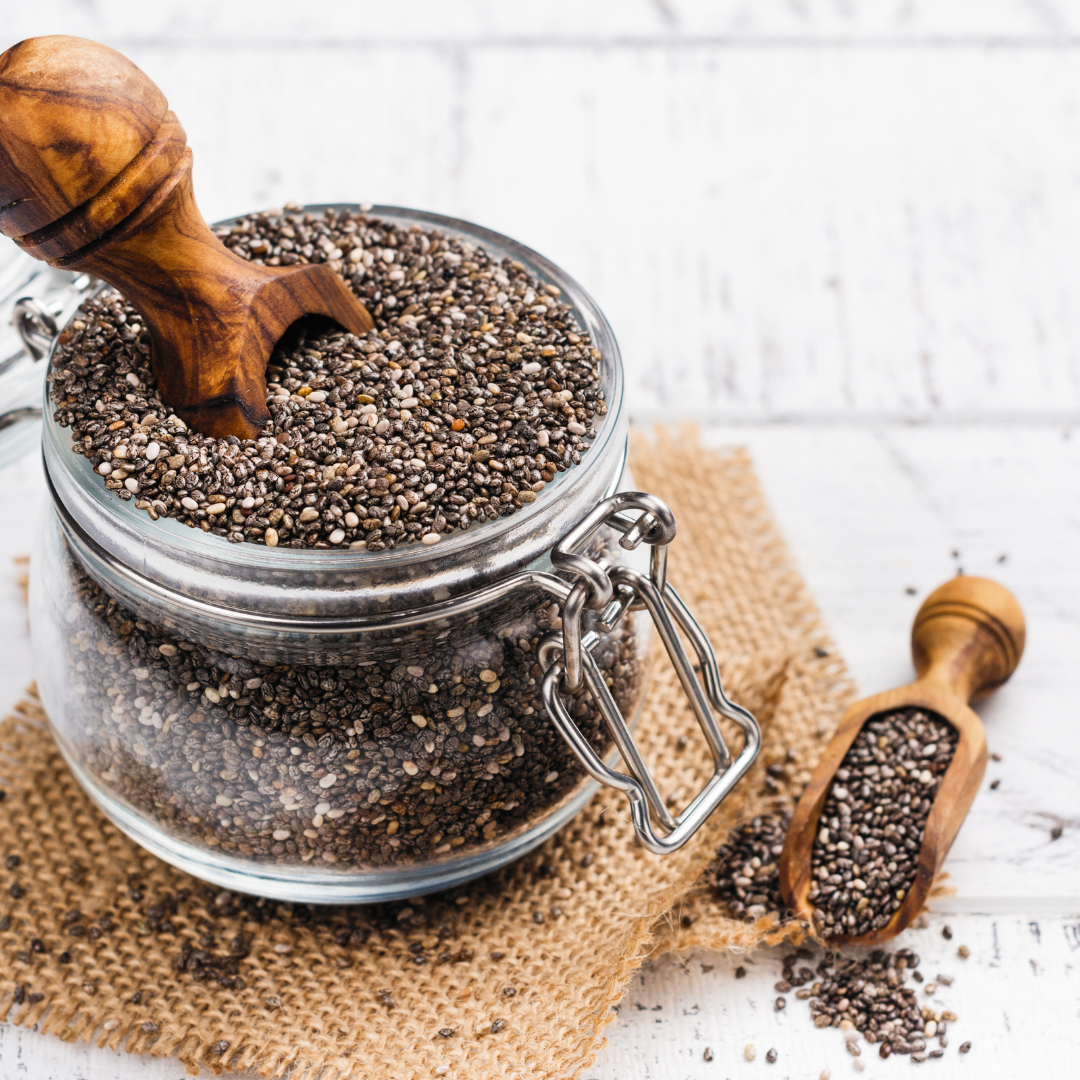

Chia seeds are small, black seeds called Salvia Hispanica, from the areas of current Mexico and Guatemala. In recent years, they have gained more and more popularity around the world because of their unique health properties. They are a real treasure for people striving for a healthy lifestyle, providing a lot of valuable nutrients.
Chia seeds - properties
Chia seeds (Salvia Hispanica) are small, oval seeds from a plant from the family of light -like ones, which for centuries have been the basic component of the diet of Central America tribes, especially Aztecs and the Mayans. Modern research confirms their unique nutritional and health properties. Chia seeds are extremely rich in unsaturated omega-3 fatty acids, protein, diet fiber, antioxidants, vitamins and minerals. Thanks to this, they are considered "superfood", i.e. food with extremely high nutritional values.Nutrients in chia seeds:
- Omega-3 - alpha-linolenic acid (ALA), which is necessary for the proper functioning of our body, supports heart and brain health.
- Fiber - The fiber content in chia seeds supports digestion, prevents constipation and stabilizes blood sugar.
- Protein - As a source of full -fledged protein, Chia supports tissue regeneration and muscle structure.
- Minerals - These seeds are rich in calcium, magnesium, phosphorus and zinc, which are necessary for bone, nervous and immune system health.
- Vitamins - They contain B vitamins (e.g. niacin, riboflavin) and vitamin E, which is a strong antioxidant.
What do chia seeds help?
Chia seeds have a wide spectrum of health -promoting activity. Their regular consumption can bring many health benefits, including:Reduction of inflammation
Due to the high content of omega-3 acids, chia seeds help reduce chronic inflammation that are associated with heart disease, diabetes and cancer. Alfalinolenic acid (ALA), present in Chia, is particularly effective in inhibiting inflammatory processes in the body.Support for the cardiovascular system
The fatty acids contained in chia seeds reduce triglyceride levels and improve the blood lipid profile, which reduces the risk of cardiological diseases. In addition, chia contains magnesium, potassium and fiber - ingredients that also support heart health, improving the elasticity of blood vessels and regulating blood pressure.Blood sugar level adjustment
Due to the high fiber content, chia seeds can delay the absorption of sugars and contribute to stabilizing blood glucose levels, which is particularly beneficial to people with type 2 diabetes. Consuming Chia also improves sensitivity to insulin, which further supports blood sugar levels.Improving digestion
Fiber present in chia seeds supports intestinal peristalsis, prevents constipation and improve the overall condition of the digestive tract. It is also worth mentioning that chia seeds form a gel substance in contact with water, which can contribute to the feeling of satiety and support weight control. Thanks to this, chia seeds can be a valuable addition to the diet of people seeking to maintain or reduce body weight.Bone health support
Chia seeds are also rich in calcium, magnesium, phosphorus and protein - ingredients necessary for bone health. Consuming chia seeds can therefore be beneficial for people with osteoporosis or those who want to maintain the health of their bones as aging. Chia seeds are an incredibly versatile superfood that can support health in many ways. Adding them to your daily diet can improve your overall well-being and prevent many chronic diseases.Chia seeds and weight loss
Chia seeds can be a valuable support in the weight loss process. Thanks to their high fiber content, chia promotes a feeling of satiety, which helps reduce caloric intake. Fiber absorbs water to form a gel in the stomach, which not only increases digestion time, but also reduces appetite, which can lead to fewer calories consumed throughout the day. Additionally, chia seeds are rich in vegetable protein, which supports the construction and regeneration of muscles, and also stabilizes blood sugar levels, preventing sudden insulin spikes and hunger attacks. Eating chia seeds can also contribute to better functioning of the digestive system, which is an important element in the process of healthy weight loss. However, it is worth remembering that although chia seeds can support weight loss, they are not a magic bullet and should be used as part of a varied diet and a healthy lifestyle, including regular physical activity.Chia seeds and memory - can they support it?
Chia seeds may have a positive effect on cognitive functions, including memory, thanks to their high content of omega-3 fatty acids, primarily alpha-linolenic acid (ALA). Research suggests that a diet rich in omega-3 fatty acids may support brain health by improving memory and concentration. Additionally, chia seeds contain antioxidants, vitamins and minerals such as magnesium, zinc and vitamin B3, which are necessary for the proper functioning of the nervous system. Regular consumption of chia seeds supports the processes of neurogenesis and protection of neurons against oxidative stress, which is important for maintaining good memory and other cognitive functions at a high level, especially as the body ages. Including chia seeds in your diet can be a simple and delicious way to support brain health and improve daily mental performance.How to eat chia seeds? Use in diet
Chia seeds are extremely versatile and can be added to many dishes without changing their taste. They also do not require special preparation. Here are some practical ways to include chia seeds in your daily diet: Beverage additive - they can be added to smoothies, cocktails, juices and isotonic drinks. Puddings - after soaking in milk or a plant drink, the seeds create a gel-like consistency, perfect for puddings. Salads - added to salads, chia seeds enrich the dish with valuable nutritional values. Baked goods - they can be added to bread, muffins, cakes and other baked goods. Yogurts and muesli - they go perfectly with yogurts, muesli and oatmeal.Chia seeds - indications and contraindications
Indications:
Chia seeds are recommended for their numerous health benefits. People with diabetes can benefit from their blood sugar regulating properties. Chia helps stabilize glucose levels, which is especially important for people with type 2 diabetes. These seeds are also recommended for overweight and obese people. The high fiber content promotes a feeling of satiety, which may help control weight. Additionally, chia can support weight loss processes by minimizing the feeling of hunger and prolonging the feeling of satiety after meals. Athletes and physically active people will find chia seeds as a valuable addition to their diet. High nutritional values, including protein, omega-3 fatty acids and minerals, support muscle regeneration and increase physical endurance. Vegetarians and vegans can use chia seeds as an excellent source of high-quality plant protein. Chia provides all essential amino acids, making it an ideal complement to a plant-based diet.Contraindications
Despite numerous benefits, chia seeds can also cause certain side effects. Some people may experience allergic reactions to chia seeds. Allergy symptoms may include itching, rash, swelling and breathing problems, which is why people with the history of allergy to seeds should be careful. Digestive problems may occur with excessive fiber consumption contained in chia seeds. Too much can lead to flatulence, gas and diarrhea, which is why it is recommended to gradually introduce seeds into the diet. People with cardiovascular disease, especially those taking anticoagulants, should necessarily consult a doctor before starting chia seed supplementation. These seeds can affect blood clotting, which can pose a threat in combination with blood thinning drugs. Chia seeds are a valuable element of the diet, but like any supplement, they should be consumed in moderation and taking into account individual health needs and consultation with a doctor.Recipe for pudding chia!
Pudding chia
- Ingredients: 1/4 cup chia seeds
- 1 cup of milk or vegetable drink (e.g. almond milk)
- 1 teaspoon of honey or maple syrup
- Coffee or vanilla to taste
- Fruit and nuts for decoration
Summary
Chia seeds are a unique component of a diet, which thanks to its nutritional and health -promoting properties is gaining more and more popularity around the world. By containing protein, fiber, unsaturated fatty acids, vitamins and minerals, they are a valuable addition to the daily menu. Consumed regularly, can support heart health, regulate blood sugar levels, improve digestion and support the body's regenerative processes. However, like any diet component, chia seeds also have their own indications and contraindications, so it is worth consuming them in moderation and, if necessary, consult a doctor.Sources
Journal of Food Science and Technology: https://link.springer.com/article/10.1007/s13197-016-2239-6 ↩ American Journal of Clinical Nutrition: https://academic.up.com/ajcn/article/97/2/398/4577113 ↩ Harvard T.H. Chan School of Public Health: https://www.hsph.harvard.edu/nutrtionSource/food-features/chia-seeds/ ↩ Journal of Diabetes Research: https://www.hindawi.com/journals/jdr/2017/1005617/ ↩ Nutrition Research Reviews: https://www.cambridge.org/core/journals/nutration-research-reviews/article/chia-seeds- AS-A-Source-Essential-Fatty-Acids-And Dietary-Fiber/4BFBF3587A63E910FF6DA859BCFC2C07 ↩
Dietician
Karolina Dobrowolska-Zrałka
doktor nauk medycznych i nauki o zdrowiu, dietetyk kliniczny Absolwentka studiów I i II stopnia na kierunku dietetyka oraz doktorantka w Szkole Doktorskiej Uniwersytetu Medycznego we Wrocławiu
Więcej artykułów autoraLooking for a nutritious and filling meal?
Discover Supersonic Smart Meal! A nutritious meal you can prepare in seconds!

150 reviews


