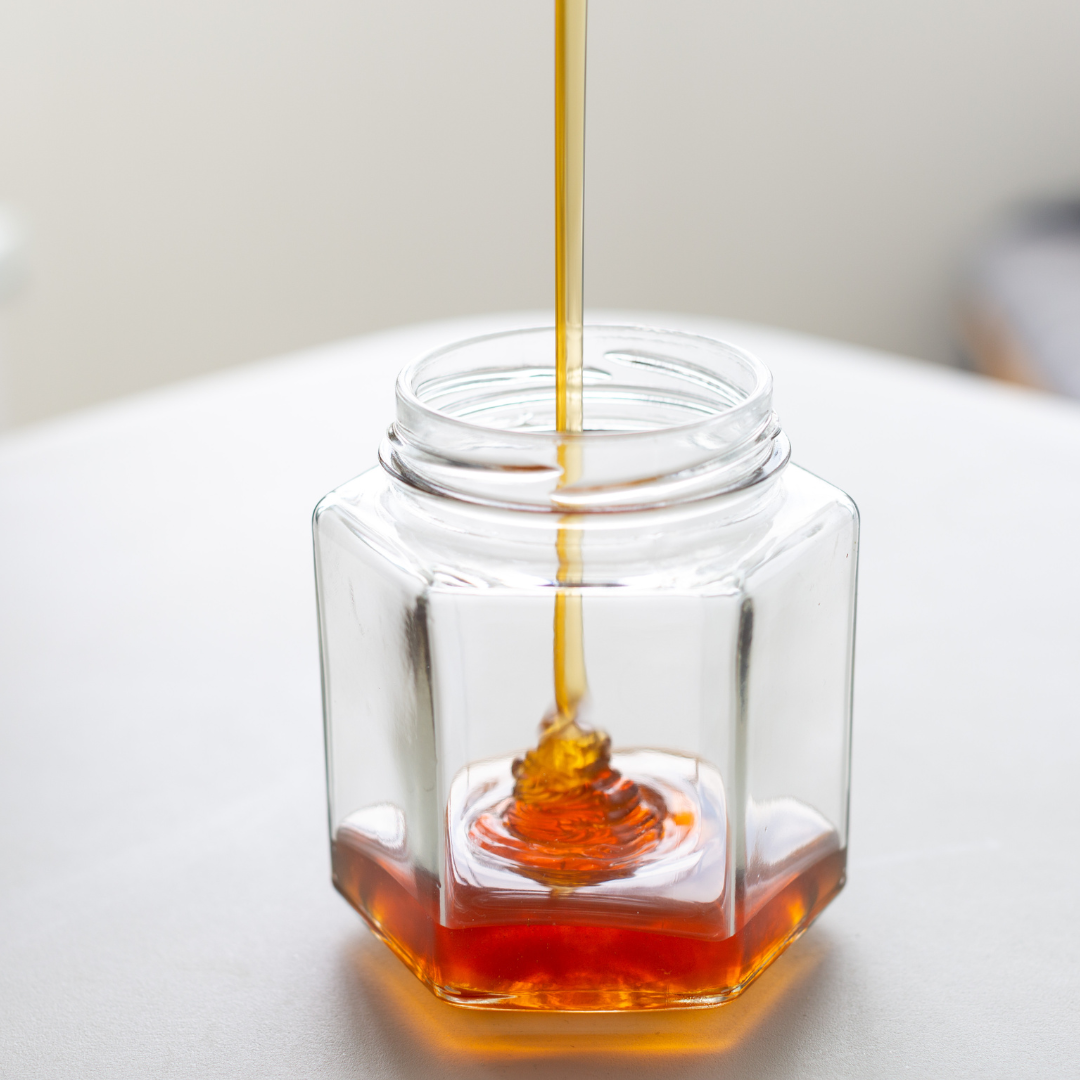

Buckwheat honey is one of the most valued types of honey, especially in Poland, where buckwheat is widely grown. This dark, aromatic honey is distinguished not only in intense taste, but also with the wealth of nutrients and health -promoting properties. Due to its unique features, buckwheat honey has been used in natural medicine for centuries as a means to support the treatment of various ailments, including problems with the respiratory system, cardiovascular system, as well as as support in the fight against infections. In this article, we will take a closer look at the properties of buckwheat honey, its applications and contraindications to better understand what it can be used for and how to consume it in your daily diet.
Buckwheat honey - the properties and health benefits of this unique honey
Buckwheat honey is a product with a unique chemical composition that translates into its numerous health benefits. It is characterized by a dark, almost black color and an intense, specific aroma that results from the presence of numerous phenolic relationships. These natural substances have a strong antioxidant effect, which means that buckwheat honey helps neutralize free radicals, protecting the body against oxidative stress and its consequences, such as aging of cells and the development of chronic diseases. Other ingredients of buckwheat honey include flavonoids, enzymes, amino acids and minerals such as iron, magnesium, calcium and zinc. The iron contained in buckwheat honey is particularly well absorbed, which makes this honey a great support for people with anemia. In addition, buckwheat honey contains B vitamins, which are necessary for the proper functioning of the nervous system and metabolism. Buckwheat honey is also known for its anti -inflammatory and antibacterial properties, which makes it effective in the fight against bacterial and viral infections. It protects the mucous membranes, supporting tissue regeneration and accelerating wound healing. For this reason, this honey is often used to treat inflammation of the throat, cough and other respiratory ailments.Buckwheat honey: What could be used for health purposes?
Buckwheat honey is widely used in natural medicine, and its health -promoting properties are appreciated by both specialists and people who care about health. Here are some of the most important uses of buckwheat honey:- Strengthening immunity - Thanks to the high content of antioxidants, buckwheat honey supports the immune system, helping the body to fight infections and chronic diseases.
- Cardiovascular support - iron and other minerals contained in buckwheat honey support the production of red blood cells, improving blood circulation and preventing anemia. It also has a beneficial effect on blood pressure, which is important in the prevention of cardiovascular diseases.
- Respiratory protection - buckwheat honey soothes the irritated throat and mucous membranes, which makes it effective in relieving coughing, sore throat and other symptoms of colds and flu.
- Support in the treatment of wounds and burns - Thanks to antibacterial and anti -inflammatory properties, buckwheat honey can be used externally as a natural agent supporting wound healing and burns.
- Improving digestion - Enzymes contained in buckwheat honey support digestive processes, helping in the absorption of nutrients and relieving stomach ailments.
Buckwheat honey - contraindications and who should avoid it
Despite many health benefits, buckwheat honey, like other bee products, is not suitable for everyone. There are some contraindications that should be taken into account before consumption. People with allergy to pollen, honey or other bee products should avoid eating buckwheat honey, because it can cause allergic reactions such as rash, swelling and even anaphylactic shock. In addition, although buckwheat honey is a natural product, it contains simple sugars that can affect blood glucose. For this reason, people with diabetes should consume honey in moderation and always consult his consumption with a doctor. It should also be remembered that due to the risk of infant botulism, buckwheat honey and any other honey should not be given to children under the age of one.Buckwheat honey for coughing - can it be an effective remedy of symptoms?
Buckwheat honey has been used for a long time as a natural relief of the symptoms of coughing and other respiratory ailments. Its antibacterial and anti -inflammatory properties help alleviate throat irritation, reducing the cough reflex and facilitating breathing. Scientific studies confirm the effectiveness of buckwheat honey in the treatment of coughing, especially in children. In one study, children were given buckwheat honey before bedtime, which led to a significant reduction in the severity of coughing and improving the quality of sleep. The effect of buckwheat honey was compared with popular cough drugs, and the results indicated comparable effectiveness, while there is no side effects typical of synthetic drugs. Buckwheat honey can be used alone, consumed on a teaspoon, or as an addition to warm drinks such as lemon tea. It is worth remembering, however, that honey should not be added to boiling water, because high temperature can destroy its valuable enzymes and reduce the healing value.How to eat buckwheat honey - ways of use and dosage
Buckwheat honey can be consumed in many different ways, both as a therapeutic and a component of the daily diet. Here are some suggestions on how to consume it:- Independently - buckwheat honey can be consumed directly on a spoon, which is especially recommended for treating coughing or strengthening immunity. It is recommended to eat 1-2 teaspoons a day.
- Appendix to drinks - Buckwheat honey is a great addition to tea, hot water with lemon, as well as herbal infusions. However, remember not to add honey to boiling water, because high temperature can destroy its valuable ingredients.
- In the kitchen - Buckwheat honey can be used as a natural sweetener for baking, desserts, as well as an addition to sauces and marinades. Its intense taste adds depth and a unique aroma to dishes.
- Outwardly - Buckwheat honey can also be used externally, for example in face masks or as a means of treating small wounds and burns.
Summary
Buckwheat honey is a unique natural product that, due to its richness of nutrients and health -promoting properties, deserves a special place in the diet. Its strengthening effects of the immune system, supporting the cardiovascular system and soothing symptoms of coughing make it valuable support in the prevention and treatment of many ailments. Despite numerous benefits, buckwheat honey is not suitable for everyone, so it's worth familiarizing yourself with contraindications and using it in moderation. Regular consumption of buckwheat honey can bring many health benefits, especially during periods of increased risk of infection and weakening of the body.Sources
Kowalski, S., & Lukaszewicz, M. (2012). Characterization and antioxidant property of honey. Journal of Food Science, 77 (6), C637-C642. Bogdanov, S., Jurendic, T., Sieber, R., & Gallmann, P. (2008). Honey for Nutrition and Health: A review. Journal of the American College of Nutrition, 27 (6), 677-689. Molan, P. C. (2001). Potential of Honey in the Treatment of Wounds and Burns. American Journal of Clinical Dermatology, 2 (1), 13-19.
Dietician
Karolina Dobrowolska-Zrałka
doktor nauk medycznych i nauki o zdrowiu, dietetyk kliniczny Absolwentka studiów I i II stopnia na kierunku dietetyka oraz doktorantka w Szkole Doktorskiej Uniwersytetu Medycznego we Wrocławiu
Więcej artykułów autoraLooking for a nutritious and filling meal?
Discover Supersonic Smart Meal! A nutritious meal you can prepare in seconds!

150 reviews
![Ranking kreatyny [2026] - TOP 10 produktów, które warto znać](http://supersonicfood.com/cdn/shop/articles/kreatyna-ranking_c1a64d3a-0854-4df3-8a54-c034300baab7.jpg?format=webp&v=1786623654&width=1100 "Ranking kreatyny [2026] - TOP 10 produktów, które warto znać")


