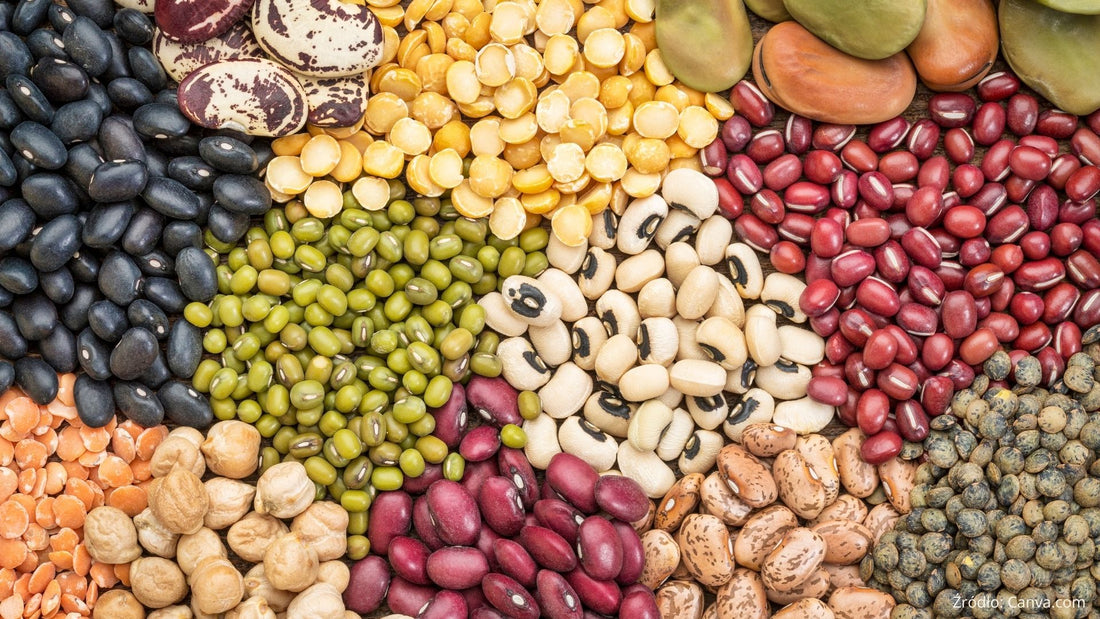

Beans are one of the most versatile legumes and have been a staple of many traditional cuisines around the world for centuries. Its unique nutritional properties make it a valued dietary ingredient for health-conscious people, athletes and vegetarians alike. Beans provide not only vegetable protein, but also fiber, vitamins and minerals that support the functioning of the cardiovascular, digestive and immune systems. It is worth taking a closer look at what makes beans such a valuable element of the daily diet.
Beans - rich in nutritional value
Beans are one of the oldest legumes and have been a staple of many cuisines around the world for centuries. In addition to their versatile culinary uses, beans provide the body with extremely valuable nutrients. It is an excellent source of vegetable protein, fiber, vitamins and minerals, which makes it a regular element of a balanced diet. 100 grams of cooked beans contain on average about 8-9 g of protein, which makes them one of the richest sources of plant protein. In addition, beans are low in calories and at the same time rich in dietary fiber, which supports the health of the intestines and digestive system. Beans also contain B vitamins, which are important for the proper functioning of the nervous system, as well as folic acid, which supports the circulatory system. Additionally, beans contain minerals such as magnesium, potassium, calcium and iron, which play an important role in maintaining electrolyte balance, bone health and muscle function. Thanks to their low glycemic index (GI), beans are an excellent choice for people with diabetes because they help stabilize blood sugar levels.Medicinal properties of beans - natural support for health and good condition
Beans, thanks to their unique composition, have healing properties that support the functioning of the body on many levels. Regularly eating beans may benefit your cardiovascular system, reducing the risk of heart disease. The phytochemical compounds it contains, such as flavonoids, have an antioxidant effect, which helps neutralize free radicals that damage cells and may contribute to the development of atherosclerosis. Due to their high dietary fiber content, beans support intestinal health by improving peristalsis and helping to prevent constipation. Soluble fiber lowers the level of "bad" cholesterol (LDL), which reduces the risk of atherosclerosis and heart disease. What's more, eating beans regularly can help with weight management because fiber increases the feeling of fullness, which helps avoid snacking between meals. It is also worth mentioning its stabilizing effect on blood sugar levels. Thanks to their low glycemic index and complex carbohydrate content, beans help control glucose levels, which is especially important for people with diabetes and insulin resistance.Are beans healthy? The answer from a natural medicine perspective
The answer to the question whether beans are healthy is clearly positive. Beans are one of the dietary elements that support longevity and health. In cultures with the longest life expectancy, such as the so-called "blue zones", the consumption of beans and other legumes is very high. Beans provide many nutrients that help prevent chronic diseases such as type 2 diabetes, heart disease and obesity. From a natural medicine perspective, beans are considered a product that supports body regeneration and detoxification. The vitamins and minerals it contains support the body's natural cleansing processes, and the flavonoids and antioxidants help reduce inflammation. Regularly eating beans can also support bone health, thanks to their high calcium, magnesium and vitamin K content.Is the beans hard to digest? Impact on digestion and advice for easier absorption
Beans, despite its numerous advantages, is often seen as a heavy vegetable, especially by people who have a sensitive digestive system. These types of reactions may result from the presence of oligosaccharides in beans, such as refinery and stachiosis, which are more difficult to digest and can lead to flatulence and gases. However, there are several effective ways to minimize these symptoms and improve the absorption of beans. Here are some tips:- Soaking beans - Before cooking, beans should be soaked in cold water for at least 8 hours (preferably all night). Soaking helps to dissolve oligosaccharides and facilitates their digestion.
- Throwing water after soaking - After soaking, pour water and cook beans in fresh water. This treatment further reduces the risk of gases.
- Adding spices - Spices such as cumin, fennel, ginger or marjoram can help in better digesting beans and minimizing bloating. Slowly introducing beans into the diet: people who do not consume beans on a daily basis should introduce it gradually so that the digestive system can get used to the increased amount of fiber.
Bean - a source of protein for vegetarians and athletes
Beans are one of the best sources of vegetable protein, which makes it an important component of the vegetarian, vegan and high -protein diet used by athletes. An average of 8-9 g of protein per 100 g of beans, which is a significant part of the daily demand for this macronutrient. The protein contained in beans is necessary for muscle regeneration, production of enzymes and supporting healthy metabolism. Although vegetable protein in beans does not contain a full set of exogenous amino acids, they can be supplemented by combining beans with other plant products such as rice or cereals. Thanks to this, a full -fledged meal is created, providing all the necessary amino acids. Athletes who are looking for natural sources of protein and energy can use beans as an alternative to meat. Beans, thanks to the presence of complex carbohydrates, provides energy for a long time, which is beneficial during intensive training. In addition, the fiber contained in it supports intestinal health, which is important for general well -being and regeneration after exercise.Summary
Beans are one of the most valuable legumes, which offers not only the wealth of nutrients, but also numerous health benefits. It is a source of full-fledged vegetable protein, fiber, vitamins and minerals that support the functioning of the cardiovascular, digestive and nervous systems. Regular consumption of beans can contribute to improving health, stabilizing blood sugar, lowering cholesterol and support for the immune system. Although some people may consider the beans to be hard to digest, there are many simple methods to improve its digestion, such as soaking or adding appropriate spices. Beans are also a great source of protein for vegetarians and athletes, which makes it an important element of a healthy and balanced diet.Sources:
Mitchell, D. C., Lawrence, F. R., Hartman, T. J., & Curran, J. M. (2009). Consumction of Dry Beans Is Associated with Reduced Risk of Cardiovascular Disease. Journal of Nutrition, 139 (12), 2281-2288. Messina, V. (2014). Nutritional and Health Benefits of Dried Beans. American Journal of Clinical Nutrition, 100 (Supplement_1), 437S-442S. Leterme, P. (2002). Recommendations by Health Organization for Pulse Consumction. British Journal of Nutrition, 88 (S3), S239-S242. Winham, D. M., Hutchins, A. M., & Thompson, S. V. (2007). Glycemic Response to Black Beans and Chickpeas as Part of A Rice Meal: A Randomized Cross-Over Trial. Nutrition Journal, 6 (1), 1-6.
Dietician
Karolina Dobrowolska-Zrałka
doktor nauk medycznych i nauki o zdrowiu, dietetyk kliniczny Absolwentka studiów I i II stopnia na kierunku dietetyka oraz doktorantka w Szkole Doktorskiej Uniwersytetu Medycznego we Wrocławiu
Więcej artykułów autoraLooking for a nutritious and filling meal?
Discover Supersonic Smart Meal! A nutritious meal you can prepare in seconds!

150 reviews
![Ranking kreatyny [2026] - TOP 10 produktów, które warto znać](http://supersonicfood.com/cdn/shop/articles/kreatyna-ranking_c1a64d3a-0854-4df3-8a54-c034300baab7.jpg?format=webp&v=1786623654&width=1100 "Ranking kreatyny [2026] - TOP 10 produktów, które warto znać")


