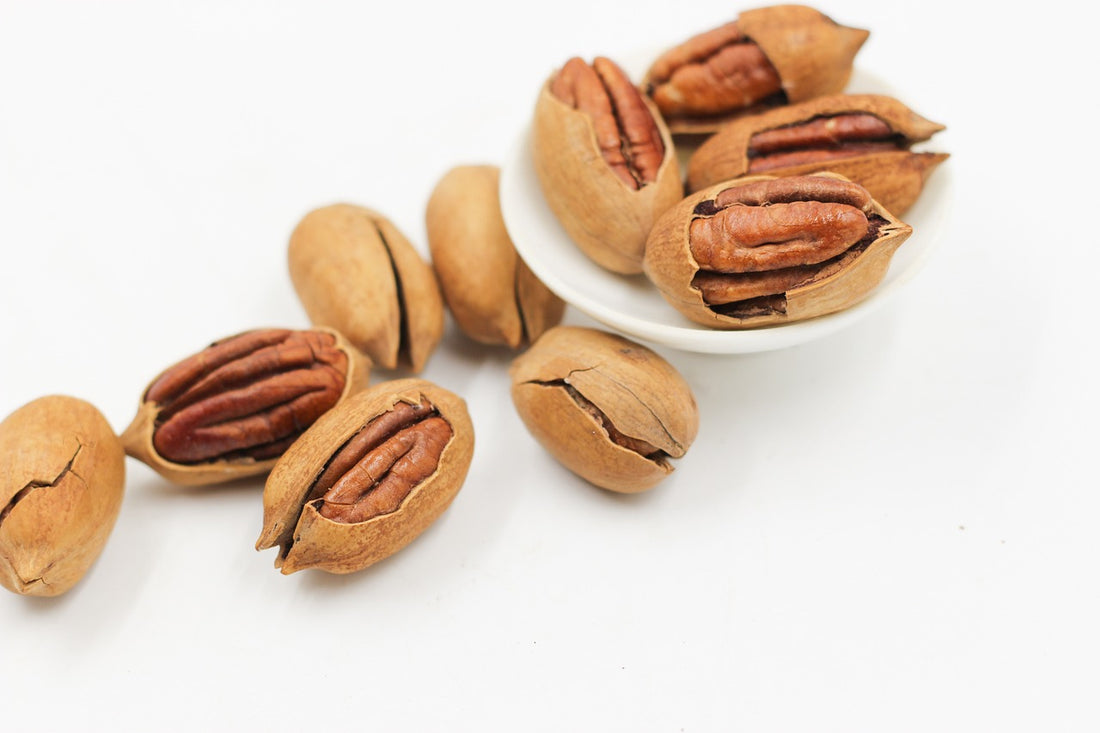

Bean nuts are one of the most valued types of nuts that come mainly from North America. Their delicate, butter taste and wealth of nutrients make them often used both in the kitchen and in the health diet. Consuming pecans brings numerous benefits to the body, and their regular consumption can help heart health, brain work and general well -being. In the article below we will discuss why it is worth including these nuts in your diet, what to look for, and what are the contraindications of their consumption.
Bean nuts - discover their beneficial health properties
Bean nuts are extremely rich in healthy fats, including unsaturated fatty acids, which play an important role in the prevention of cardiovascular diseases. Thanks to the high content of antioxidants, these nuts help protect cells against oxidative stress, which may reduce the risk of cancer development and slow down the aging process. Bean nuts are also rich in fiber, which regulates digestion, lowers blood cholesterol and stabilizes sugar levels, which is beneficial for people with insulin resistance or diabetes. Other health benefits of pecans are: Strengthening the immune system - thanks to the content of vitamin E and zinc, pecans support the proper function of the immune system. Bone health support - pecan nuts contain magnesium, which is necessary for the health of the skeletal system and supports the proper functioning of the muscles. Improvement of brain function - healthy fats present in pecans supports cognitive functions, concentration and memory, which makes them a great component of the diet of mentally working people.Contraindications regarding pecan nuts - when caution should be exercised
Although pecan nuts are considered an extremely healthy product, there are some contraindications about their consumption. People who are allergic to nuts should avoid consuming pecan nuts because they can cause allergic reactions. Symptoms of allergy to nuts may include rashes, oral swelling, breathing problems, and in the worst cases - anaphylaxis. Bean nuts are also very caloric, which is why people who care about the line should consume them in moderation to avoid excessive weight gain. In addition, due to the high fat content, people with digestive problems may feel discomfort after consuming larger amounts of these nuts.Nutritional values of pecan nuts - nutrients that provide
Bean nuts are a real treasury of valuable nutrients. They contain large amounts of B vitamins, including folic acid, riboflavin and niacin, which are necessary for the proper functioning of the nervous system and metabolism. In addition, pecan nuts provide important minerals, such as manganese, copper, zinc, phosphorus and magnesium. Nutrients contained in pecan nuts include:- Fiber - supports digestion and regulates blood sugar levels.
- Vitamin E - acts as a strong antioxidant, protecting cells from damage.
- Unsaturated fatty acids - They have a positive effect on heart health and cholesterol.
- Protein - supports tissue regeneration and proper muscle function.
How many pecan nuts can be consumed a day? Recommendations for portions
Bean nuts, despite their numerous health benefits, are very caloric. It is recommended to consume them in moderate amounts to enjoy their benefits without the risk of excessive weight gain. The optimal portion for an adult is about 30-40 grams a day, which corresponds to a handful of nuts. Eating larger amounts can lead to excessive consumption of calories and fats, which can negatively affect body weight and general diet balance.The caloric content of pecans - how many calories do they contain?
Bean nuts are one of the more caloric types of nuts, which makes them an excellent source of energy. In 100 grams of pecan nuts there are about 690-700 kcal, which means that they are a rich source of energy for physically active people or in need of a higher dose of calories in their diet. Beannuts, thanks to their caloric content, are an ideal ingredient to add to meals, especially for people leading an intensive lifestyle. They can be consumed raw, as an addition to salads, muesli, as well as in the form of a snack between meals.Summary
Bean nuts is a valuable component of the diet that provides many health benefits. They are rich in fiber, unsaturated fatty acids as well as vitamins and minerals that support the health of the heart, brain and immune system. Despite the high calorie, the consumption of pecans in moderate quantities can have a positive effect on health and well -being. However, due to possible allergic reactions and caloric content, it is worth being careful in their consumption.Source
USDA National Nutrient Database. (2021). Pecan Nuts, Raw - Nutrition Facts. United States Department of Agriculture. Available online: https://fdc.nal.usda.gov/. Davis, P. A., & Iwahashi, C. K. (2001). Whole Pecans, Almonds, Walnuts, and their oil fracy inhibit low-density lipoprotein oxidation in vitro. Journal of Nutrition, 131 (11), 2831–2835. DOI: 10.1093/JN/131.11.2831. Sabaté, J., & Ang, Y. (2009). Nuts and Health Outcomes: New Epidemiologic Evidence. The American Journal of Clinical Nutrition, 89 (5), 1643S -1648S. DOI: 10.3945/AJCN.2009.26736Q. Moreno, D. A., Ilica, N., Poulose, S. M., & Schalinske, K. L. (2006). Pecans and Cardiovascular Health: A review of the evidence. Journal of Cardiovascular Pharmacology and Therapeutics, 11 (3), 230–237. DOI: 10.1177/107424840601100304. Griel, A. E., & Kris-Etherton, P. M. (2006). Tree Nuts and the Lipid Profile: A review of Clinical Studies. British Journal of Nutrition, 96 (S2), S68 -S78. DOI: 10.1079/BJN20061715.
Dietician
Karolina Dobrowolska-Zrałka
doktor nauk medycznych i nauki o zdrowiu, dietetyk kliniczny Absolwentka studiów I i II stopnia na kierunku dietetyka oraz doktorantka w Szkole Doktorskiej Uniwersytetu Medycznego we Wrocławiu
Więcej artykułów autoraLooking for a nutritious and filling meal?
Discover Supersonic Smart Meal! A nutritious meal you can prepare in seconds!

150 reviews


