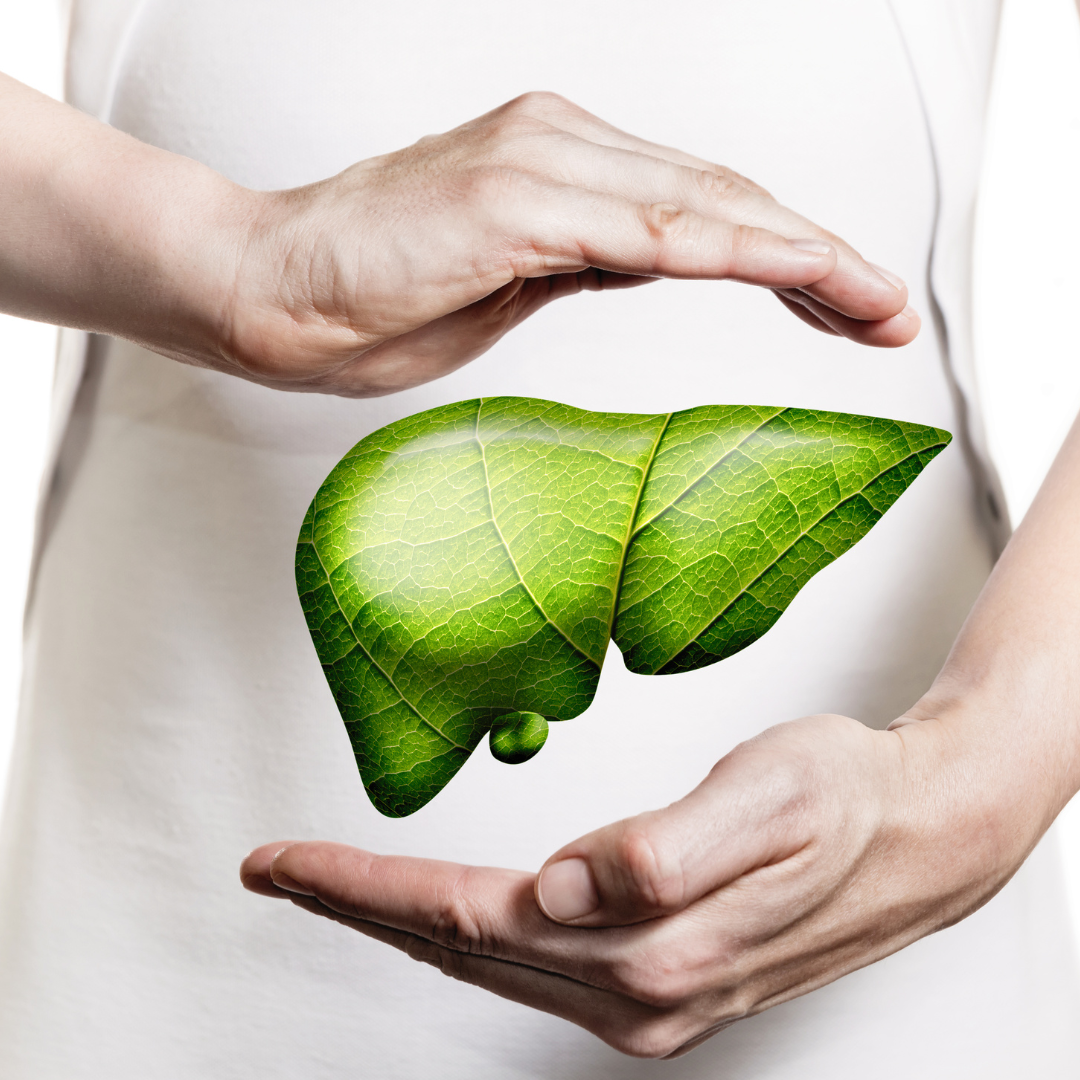

The liver is one of the most important organs in our body, it is responsible for metabolic, detoxification and synthesis of various substances. Her health has a huge impact on our well -being and quality of life. Diet, or what we consume every day, plays an important role in maintaining the correct liver function. Caring for a proper diet can help reduce the risk of liver diseases and support its regeneration when health problems arise.
Footnotes
Healthline: The Best Foods for Your Liver
Mayo Clinic: Liver Disease - Symptoms and Causes
University of Maryland Medical Center: Liver Disease - Nutritional Support
Liver - what functions and what happens when he is sick
The liver, consisting of many different cells, participates in metabolic, detoxifying and storage processes. Unfortunately, when she begins to get sick, her ability to perform these tasks is impaired, which can lead to serious diseases. Basic liver functions:- Metabolism - The liver participates in the metabolism of carbohydrates, fats and proteins, as well as gluconeogenesis and storage glycogen.
- Detoxification - neutralizes and removes toxins from the body, including alcohol, drugs and metabolism products.
- Yellow production - The liver produces bile, which is necessary for digestion and absorption of fats.
- Storage of vitamins and minerals - stores vitamins (A, D, E, K and B12) as well as iron and copper.
The most common liver diseases and their symptoms:
- Fattening liver - excessive fat accumulation in liver cells that can lead to fatty hepatitis.
- Hepatitis - viral infection (e.g. hepatitis B and C) or reaction to toxins that cause inflammation of the liver.
- Cirrhosis - Serious liver damage, which leads to irreversible changes in the structure of the organ and disorders of its functioning. Symptoms include fatigue, jaundice, swelling and ascites.
When to use a liver diet?
The liver health support diet is recommended in various situations. First of all, people diagnosed with liver diseases, such as fatty, inflammation or cirrhosis, should follow special dietary recommendations. During periods of increased liver load, e.g. during increased alcohol consumption, drug use or exposure to toxins, it is important to adapt the diet to support its functioning. In addition, for preventive purposes, people with increased risk of liver diseases, such as patients with diabetes, obesity or lipid disorders, should take care of a healthy diet to minimize the risk of health problems in the future.The most important rules of the liver diet
Restriction of saturated and trans fats
Avoid fatty meats, full -fat dairy products, fried dishes and fast food.Eating foods rich in antioxidants
Broccoli, spinach, berries, nuts, carrots and tomatoes are rich in vitamins A, C and E and other antioxidants.Adequate protein supply
Bet on white meat, fish, eggs, legumes and low -fat dairy products.Irrigation
Drink at least 1.5-2 liters of water a day to support the liver detoxification process.Regular meals
Consume 4-5 small meals a day to avoid liver overload with many ingredients at once.What to eat with a sick liver?
Diet with liver diseases should be carefully selected to support regenerative and detoxifying processes. Cross vegetables, such as broccoli, cabbage, cauliflower and Brussels sprouts, are particularly recommended because they support detoxification. Unsaturated fats, present in olive oil, nuts, flax seeds and fish, provide healthy fats beneficial to the liver. Whole grains, such as brown rice, porridge, whole grain bread and pasta, provide fiber that supports the proper functioning of the digestive system. It is also worth reaching for white meat, such as chicken, turkey, and fish, e.g. salmon and tuna, which provide lean protein necessary for regeneration of the body.What does the liver like? Products and supplements
When taking care of liver health, it is worth paying attention to the right selection of food products and supplements that support its functioning. Below is a list of products and supplements that are extremely beneficial to liver health.- Garlic - Sulfur compounds contained in garlic activate the liver enzymes responsible for detoxification.
- Turmeric - Curcumin has an anti -inflammatory effect and can support liver regeneration.
- Green tea - rich in catechins that support liver functions.
- Silymarin (Milk thistle) - Milk thistle extract protects the liver against toxins and supports its regeneration.
What to avoid with a sick liver?
With liver diseases, it is particularly important to avoid products and substances that can additionally burden this organ. An inappropriate diet can worsen the health of the liver and delay its regeneration.- Alcohol - Even small amounts of alcohol can be harmful to the liver, especially if it is already damaged.
- Fatty dishes - Limit the consumption of fatty meats, fast food and fried products.
- Sugar and sweets - Excess sugar can lead to fatty liver.
- Salt - Too much salt leads to water retention and can burden the liver.
- Artificial additions - Avoid products with lots of preservatives, dyes and flavor amplifiers.
Practical tips
To support liver health, it is worth planning meals in advance and preparing them at home. Avoiding food in the city allows you to better control the ingredients used to prepare dishes. It is also important to carefully read labels on food products to avoid those that contain a large amount of salt, sugar and fats. The regularity of meals plays an important role, so you should eat at permanent hours and avoid eating before bedtime. The use of these simple rules can significantly improve liver health and support its proper functioning.Examples of recipes:
Salad with broccoli and nuts
Ingredients- broccoli
- walnuts
- red pepper
- olive oil
- lemon juice
- Salt, pepper.
Baked salmon with millet
Ingredients- salmon fillets
- millet groats
- olive oil
- lemon juice
- dill
- salt, pepper

Dietician
Karolina Dobrowolska-Zrałka
doktor nauk medycznych i nauki o zdrowiu, dietetyk kliniczny Absolwentka studiów I i II stopnia na kierunku dietetyka oraz doktorantka w Szkole Doktorskiej Uniwersytetu Medycznego we Wrocławiu
Więcej artykułów autoraLooking for a nutritious and filling meal?
Discover Supersonic Smart Meal! A nutritious meal you can prepare in seconds!

150 reviews


