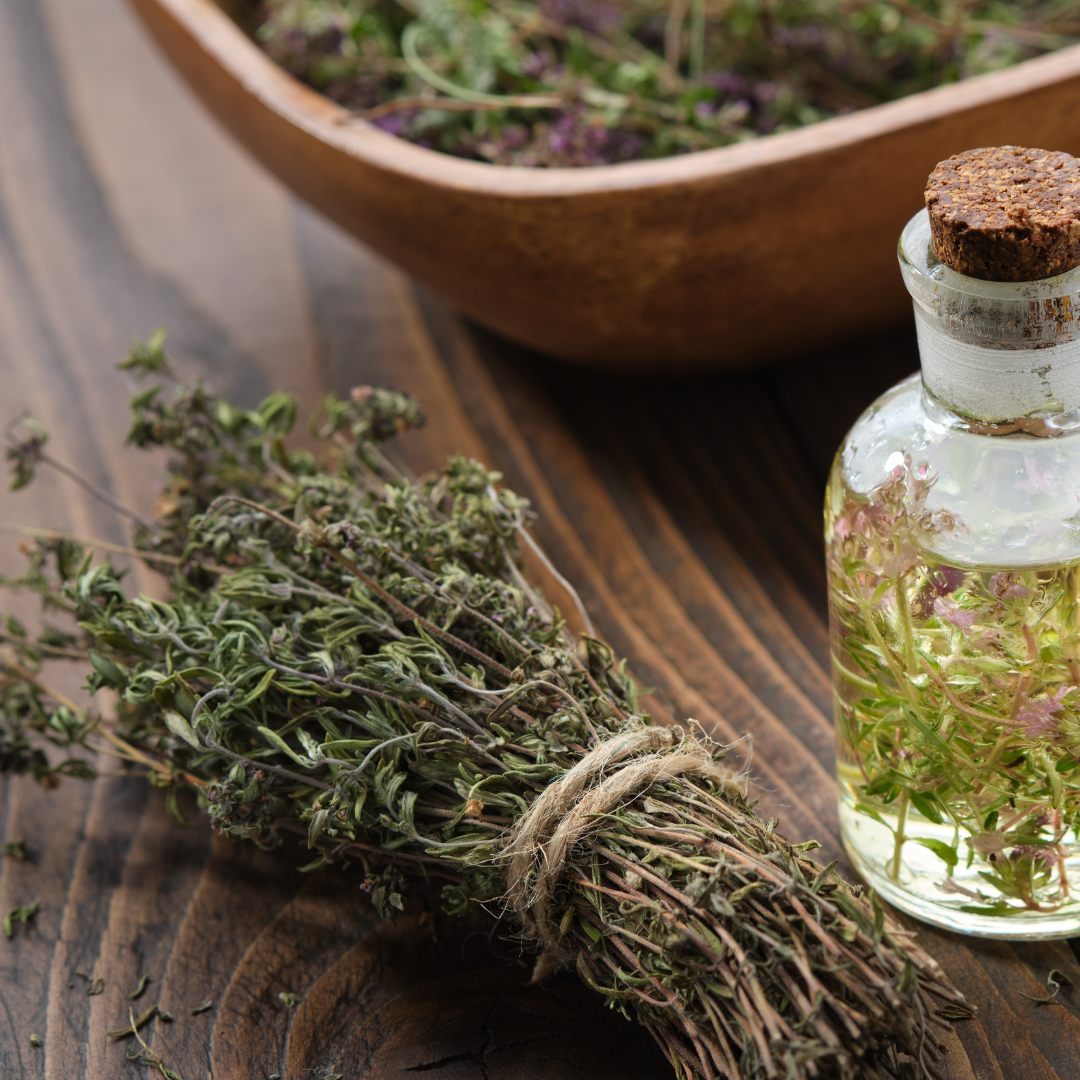

Thym (Thymus vulgaris) is one of the oldest and most valued herbs used in both culinary and medicine. Known for its strong antibacterial, anti -inflammatory and antifungal properties, thyme has been used as a natural healing agent for centuries. In this article, we will take a closer look at thyme, his health benefits, applications and contraindications.
Cough thyme - how does it work and what are the benefits for the respiratory system?
Thyme is particularly valued for its supporting properties. Its expectorant and antiseptic action makes it an effective means in the treatment of coughing, colds and other respiratory tract infections.Thyme effect on cough
Thyme contains thymol and carvakrol, two chemical compounds with strong antibacterial and antiviral effects. Tymol also acts as an expectorant, helping to thin and remove mucus from the respiratory tract. Thanks to these properties, thyme can alleviate the cough, reduce the symptoms of colds and support the health of the respiratory system.The benefits of the respiratory system
Regular use of thyme can bring numerous benefits for the respiratory system, including:- Alleviating cough - Thyme helps to alleviate both dry and wet cough, thanks to its expectorant properties.
- Reduction of inflammation - Thanks to anti -inflammatory effects, thyme can reduce inflammation in the throat and bronchi.
- Supporting breathing - thyme helps in cleaning the respiratory tract, which makes breathing easier and can reduce shortness of breath.
Thyme - healing properties and their impact on health
Thyme has many healing properties that can support health at different levels. Its versatile action makes it a popular ingredient in both folk medicine and modern herbal preparations.Therapeutic properties of thyme
- Antibacterial and antifungal - thyme contains thymol, which has a strong antibacterial and antifungal effect, which makes it effective in the fight against various infections.
- Anti -inflammatory - The compounds contained in thyme can help reduce inflammation, which is beneficial for people with chronic diseases.
- Antioxidant - Thyme is rich in antioxidants that help in neutralizing free radicals and protecting cells against oxidative stress.
- Digesting support - Thyme can support digestion by alleviating the symptoms of indigestion, flatulence and gas.
- Resistance strengthening - Regular consumption of thyme can support the immune system, helping the body to fight infections.
Thyme - when should it be used?
Thyme can be used in various situations and with various ailments. His versatility makes it a valuable addition to a home first aid kit. Thyme is effective in relieving the symptoms of colds, flu, cough and other respiratory tract infections. It can also support digestion, alleviating the symptoms of indigestion, flatulence and gases. Thanks to its anti -inflammatory properties, thyme can be used to treat inflammation such as rheumatoid arthritis. In addition, thyme acts as a natural antiseptic, which makes it effective in the treatment of various bacterial and fungal infections, both skin and internal.Thyme - contraindications and situations in which caution should be exercised
Despite many health benefits, thyme is not suitable for everyone. There are some contraindications and situations in which caution should be exercised when using it.Allergies
People who are allergic to thyme or other plants from the family of light -like (lamiaceae) should avoid its use because it can cause allergic reactions.Pregnancy and breastfeeding
Pregnant and breastfeeding women should consult a doctor before starting thyme, because his safety in these periods has not been examined sufficiently.Autoimmune diseases
People with autoimmune diseases should consult a doctor before starting thyme, because he can affect the immune system.Application and health benefits of thyme and cone
Thyme and conquered can support the health of the respiratory system, soothing the symptoms of coughing, colds and other respiratory tract infections, and their expectorant and anti -inflammatory effects bring relief in these ailments. Both herbs can also be used externally to treat skin inflammation such as eczema, acne or burns. Thyme and conquered support the health of the digestive system, alleviating the symptoms of indigestion and supporting digestion. Regular consumption of thyme and cone can also support the immune system, helping the body to fight infections.Summary
Thyme is an extremely valuable herb with a wide spectrum of healing properties. Its antibacterial, anti -inflammatory, antifungal and expectorant effects make it a valued ingredient in natural medicine. Regular use of thyme can support respiratory, digestive and immune health. It is important, however, to remember about contraindications and consult a doctor before starting thyme, especially if we take medicine or we have some diseases.Footnotes and sources
Barnes, J., Anderson, L. A., & Phillipson, J. D. (2007). Herbal Medicines. Pharmaceutical Press. Duke, J. A. (2002). Handbook of Medicinal Herbs. CRC Press. Neall, C. A., Anderson, L. A., & Phillipson, J. D. (1996). Herbal Medicines: A Guide for Health-Care Professionals. Pharmaceutical Press.
Dietician
Karolina Dobrowolska-Zrałka
doctor of medical sciences and health sciences, clinical dietitian A graduate of first and second cycle studies in dietetics and a doctoral student at the Doctoral School Medical University of Wrocław
Więcej artykułów autoraLooking for a nutritious and filling meal?
Discover Supersonic Smart Meal! A nutritious meal you can prepare in seconds!

5| 193 reviews


