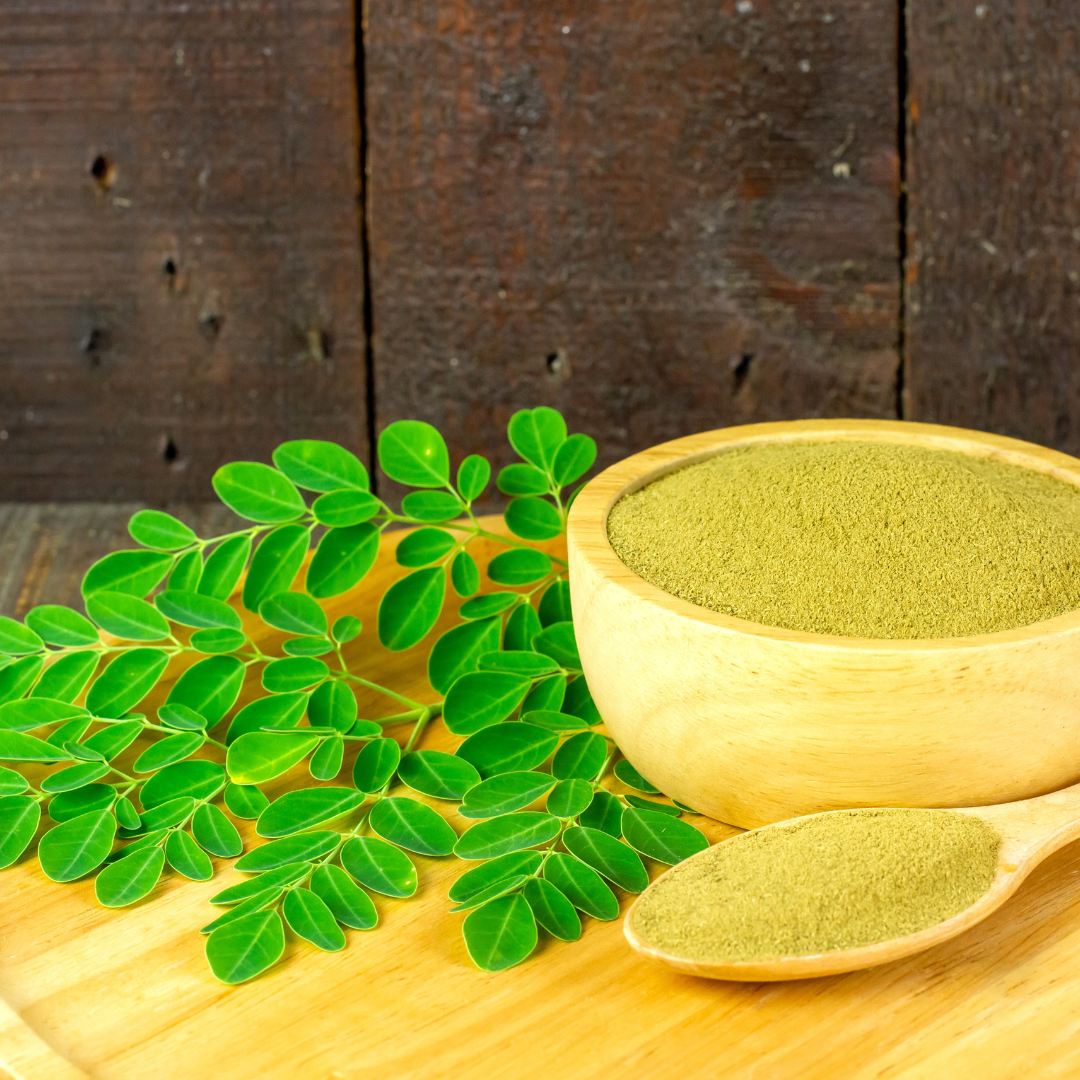

Moringa, also known as a "tree of life", is gaining more and more popularity among supporters of a healthy lifestyle. Rich in nutrients, vitamins and minerals, it is a great complement to the diet and a natural health supporting agent.
What is Moringa and what does it help?
Moringa (Moringa Oleifera) is a tree from northwestern India, which is grown in many tropical and subtropical countries around the world. This plant is extremely resistant to difficult environmental conditions, which makes it easy to grow. All parts of the tree - leaves, flowers, seeds, bark and roots - are edible and have healing properties.General review of health benefits
Moringa is a treasury of nutrients, which makes it valued for its comprehensive health -promoting effect. Of her many benefits, special attention is deserved by:- Supporting the immune system
- Improving digestion
- Reduction of inflammation
- Stabilization of blood sugar levels
- Supporting heart health
What properties does Moringa have?
Moringa is a plant that is characterized by an extremely rich content of nutrients, including vitamins, minerals, proteins and antioxidants. Among the vitamins that can be found in Morinda are such as A (beta-carotene), C, E, K and B vitamins. In terms of minerals, Moring provides significant amounts of calcium, magnesium, phosphorus, potassium and iron. It also contains proteins that include all necessary amino acids and antioxidants, such as zeatin, quercetin, beta-sitosterol and chlorogenic acid. The mechanisms of operation of individual components are varied and versatile. Vitamins and minerals contained in Morinda support the proper functioning of the body, strengthen bones, regulate blood pressure and support metabolic changes. Antioxidants present in Morinda have the ability to neutralize free radicals, which reduces oxidative stress and reduces the risk of chronic diseases. As a result, Moringa is considered an extremely valuable component of the diet that can contribute to the improvement of overall health.Moringa - how to use it?
Moringa is available on the market in various forms, each of them has its own unique applications and benefits. Below we present detailed information on individual forms of Moringa:Leaf powder
Moringa's dried powder is extremely versatile. It can be added to cocktails, which enriches them with an additional portion of nutrients such as protein, vitamins and minerals. It is also perfect as an addition to yogurt, which changes ordinary breakfast into a super nutritious dish. It can also be used in soups, stews and salads, improving the nutritional value of traditional dishes.Tablets and capsules
For people who prefer dosage convenience and precision, tablets and capsules with Moring are a great solution. They are easy to swallow and can be taken with you everywhere, which makes them the perfect choice for people leading an active lifestyle. In addition, their dosage is usually clearly defined by the manufacturer, which facilitates daily supplementation.Tea
Dried Moringa leaves for brewing is a natural way to introduce moringa into your daily diet. Moringa's tea can be drunk hot or cold, which allows you to experiment with various flavors and additives, such as lemon or honey. This tea can also be a relaxing and nourishing drink before bedtime.Seed oil
Moringa seed oil is a product with versatile use. In the kitchen, this oil can be used as a healthier alternative for other vegetable oils, ideal for salads, sauces or frying. In turn, for cosmetic purposes, moringa oil is valued for its moisturizing and nutritional properties. It can be used directly to the skin to moisturize it or added to cosmetics such as creams and balms. This oil is also perfect as a hair care agent, providing them with glow and vitality.Recommended doses and methods of preparation
Moringa dosage may vary depending on the form in which it is used, and the individual needs of the user. In the case of powder, standard recommendations include 1-2 teaspoons a day, with the possibility of gradually increasing the dose to 6 teaspoons. The powder can be added to cocktails, yogurt, porridge or soups. For moringa in the form of tablets or capsules, typical doses are between 500 and 1000 mg per day. It is worth following the manufacturer's recommendations and consult a doctor. Moringa oil can be used both internally and externally: a few drops can be added to salads, and for cosmetic purposes, the oil can be used for massage, which positively affects the condition of the skin, leaving it moisturized and nourished.Moringa - contraindications and possible side effects
Although Moringa is usually well tolerated by the body, there are some contraindications and possible side effects that are worth knowing:Side effects
At high doses of moring, some people may experience diarrhea or nausea. In such cases, it is recommended to reduce the dose or stop supplementation.Allergic reactions
Although rarely, but allergic reactions may occur. Symptoms may include skin rashes, itching or difficulty breathing. People with suspected allergies should immediately stop consuming moringa and consult a doctor.Pregnant and breastfeeding women
Before starting Moringa supplementation, pregnant and breastfeeding women should consult a doctor. Although Moringa is generally considered safe, it is always worth making sure that its use will not have a negative impact on the health of the mother or child. The use of moringa at the recommended doses can bring numerous health benefits, but you should always follow the dosage recommendations and be aware of possible side effects.Is Moringa good for slimming?
Moringa is gaining more and more popularity as a natural supplement supporting the weight loss process. This is primarily due to the combination of nutrients that can affect various aspects of metabolism and appetite.Slimming support mechanisms
Acceleration of metabolism
One of the mechanisms thanks to which Moringa can support slimming is an impact on the acceleration of metabolism. Moringa is rich in nutrients, such as B vitamins, which play an important role in the metabolic processes of our body. Increasing the rate of metabolism can lead to more effective calorie burning, which in turn contributes to weight loss. Faster metabolism means that the body consumes more energy to maintain basic life functions and during physical activity, which promotes fat reduction.Feeling of satiety
Another, equally important mechanism is the feeling of satiety, which can be supported by proteins and fiber present in Moringa. Moringa consumption can help control your appetite, which is helpful in losing weight. The protein, which is present in large quantities in Moringa leaves, is known for increasing the feeling of satiety after a meal. Fiber works similarly, which slows down digestion and gives you a feeling of fullness for longer. Reducing the feeling of hunger and the need to snack between meals can significantly affect the amount of calories consumed, which is beneficial for people striving to lose weight.Blood sugar level adjustment
Adjusting blood sugar levels is another important aspect supporting slimming. Moringa contains compounds that can help stabilize blood sugar levels. Stable blood sugar levels are important because it prevents rapid declines and growths that can lead to hunger and willingness to eat unhealthy sugar -rich snacks. The consistent blood sugar level helps maintain constant energy throughout the day, which also promotes better weight management and avoiding excessive overeating.Moringa - healing properties
Moringa has a wide range of medicinal properties that make it valuable in both medicine and in daily health prevention. One of the most important aspects is its anti -inflammatory and antibacterial effects. Numerous scientific studies confirm that Moringa extracts can effectively inhibit the development of various types of bacteria and viruses, which makes it a valuable agent supporting the treatment of infection. Anti -inflammatory effect can be particularly beneficial for chronic diseases that have inflammatory substrate, such as rheumatoid arthritis. Another important property of Moringa is its ability to regulate blood sugar levels. Studies show that the compounds contained in it can significantly improve insulin sensitivity, which is extremely important for people suffering from type 2 diabetes. Improving insulin sensitivity leads to a more effective use of glucose by the body, which can help maintain a stable level of blood sugar and prevent sudden jumps and declines that are typical of diabetes. Therefore, regular consumption of moringa can contribute to better disease management and improving the overall quality of life of patients. In addition, Moringa also has an action supporting the cardiovascular system. The antioxidants contained in it and numerous nutrients, such as vitamins and minerals, can have a positive effect on heart health. Studies suggest that regular consumption of moringa can improve blood flow, which is crucial for maintaining healthy blood pressure. In addition, Moringa can contribute to reducing the level of "bad" LDL cholesterol, which is an important factor in preventing atherosclerosis and other cardiovascular diseases. As a result, Moringa can be a valuable addition to the diet of people who want to take care of their heart and circulatory system.Summary
Moringa is a versatile plant with powerful health and healing properties. Its rich nutritional composition means that it can support many aspects of health, from improving the functioning of the immune system, through the support of metabolic processes to anti -inflammatory and antibacterial effects. Although the research on Moringa's properties is still ongoing, the results so far are very promising. It is worth considering adding this extraordinary plant to your diet, of course as part of a sustainable approach to a healthy lifestyle.Sources
Kulkarnia, M. V., et al. (1994). Clinical Applications of Antibacterial Compounds From Moringa Oleifera. Journal of Ethnopharmacology. Ghasi, S., et al. (2000). Hypocholesterolemic effect of crude extract of leaf of moringa oleifera lam in high-fit diet fed wistar raats. Journal of Ethnopharmacology. Anwar, F., et al. (2007). Moringa oleifer: A food plant with multiple medical uses. Phytotherapy Research. Fahey, J. W. (2005). Moringa Oleifera: A Review of the Medical Evidence for Its Nutritional, Therapeutic, and Prophylactic Properties. Part 1. Trees for Life Journal. Jayawarden, T. M., et al. (2015). Anti-inflammators Properties of in vivo active fracy of moringa oleifea leaves in a murine model of ashma. Journal of Ethnopharmacology.
Dietician
Karolina Dobrowolska-Zrałka
doktor nauk medycznych i nauki o zdrowiu, dietetyk kliniczny Absolwentka studiów I i II stopnia na kierunku dietetyka oraz doktorantka w Szkole Doktorskiej Uniwersytetu Medycznego we Wrocławiu
Więcej artykułów autoraLooking for a nutritious and filling meal?
Discover Supersonic Smart Meal! A nutritious meal you can prepare in seconds!

150 reviews


