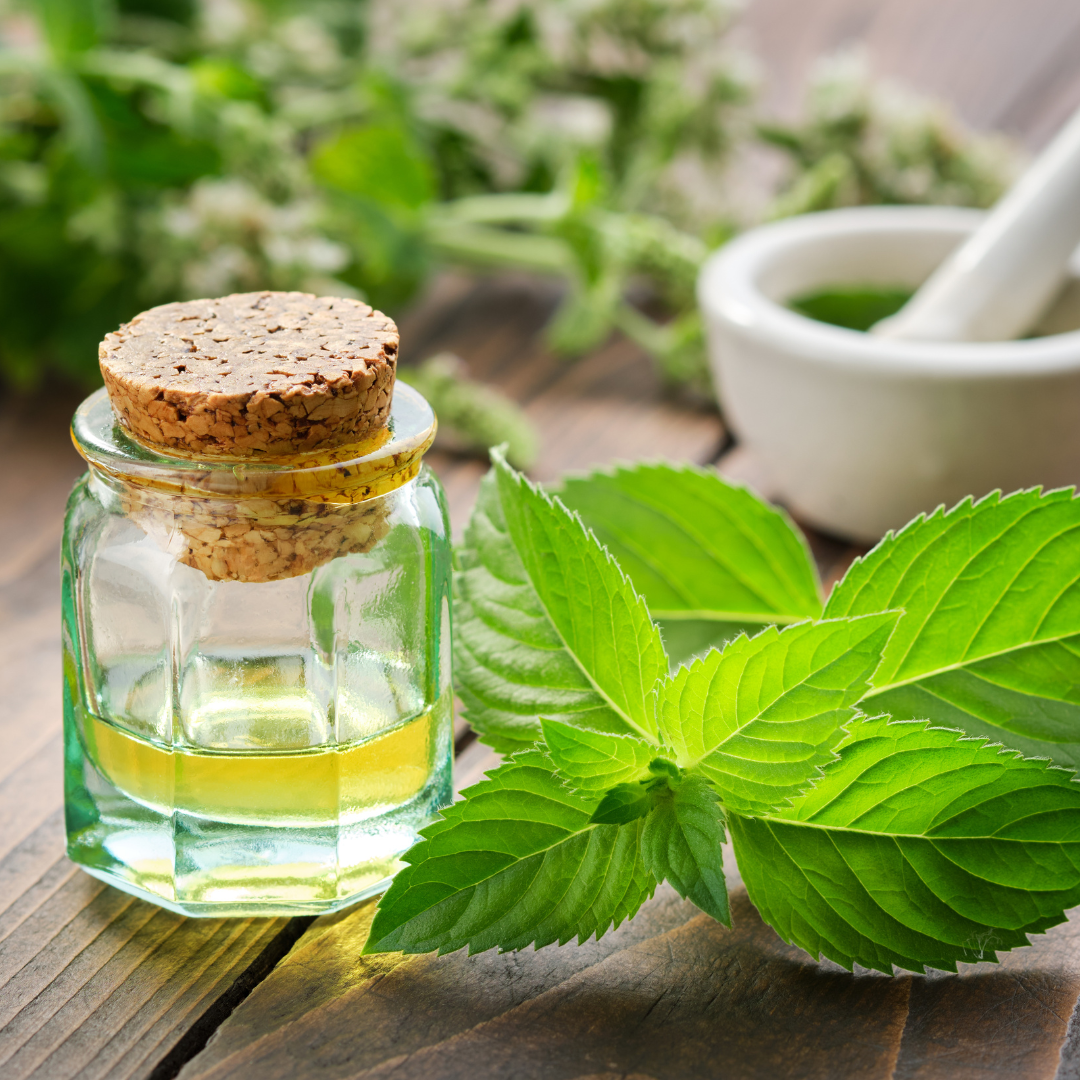

Mint is one of the oldest and most versatile plants used in natural medicine. Thanks to its numerous favorable properties, mint can be found as an ingredient in many preparations, teas or cosmetics. Let's find out what exactly health benefits are used by the use of mint.
Mint - types of mint and health properties
Mint (Mentha) is a kind of plants from the family of light -like, covering about 25 species of plants. The most popular of them are peppermint (mentha × piperita) and green mint (mentha spicata). Peppermint is often used because of its strong aromatic and healing properties.Health properties of peppermint
Peppermint mint is valued for its wide spectrum of health properties that include analgesic, anti -inflammatory, antimicrobial and sedative effects. The ingredients of peppermint are menthol, menton and cineol, which have many health benefits. The most important health properties of peppermint include:- Digesting support: Mentol contained in peppermint has a relaxing effect on the smooth muscles of the digestive tract, which can alleviate the symptoms of IBS (irritable bowel syndrome).
- Sminding headaches: Essential oil made of peppermint applied on the temple can help reduce migraines and headaches.
- Antimicrobial properties: Studies indicate that mint oil can be effective against some strains of bacteria and fungi.
Mint - what does it help?
Mint is used to treat and alleviate many ailments. Below are the main applications of mint.Digestive problems
Peppermint mint digestive properties are undeniable. Regular consumption of mint infusion can help soothe stomach ailments such as indigestion, bloating and abdominal pain. Mint can also support liver and gallbladder work.Respiratory diseases
Mentol present in Mięcie acts as a natural expectorant. It can help to alleviate coughing, colds and other respiratory problems.Stress and insomnia
Mint also has sedative properties, which can help reduce stress and improve sleep quality.How to use mint? Drinking mint - how to prepare an infusion?
Drinking mint is one of the simplest and most effective ways to use its health properties.Recipe for mint infusion
Ingredients: 1 tablespoon of dried peppermint leaves 250 ml of boiling water Preparation: Pour dried mint leaves with boiling water. Cover the cup and leave for about 10 minutes. Strain the brew through a strainer and drink, preferably without additives. Mint infusion can be drunk 2-3 times a day.Negative effects of drinking mint - do they occur?
Although mint is generally safe for health, excessive consumption can lead to certain health problems.Possible side effects
- Gastrointestinal reflux (GERD): In some people, drinking mint can cause the symptoms of reflux.
- Excessive consumption: Exaggerated intake of mint can lead to dry lips, nausea and abdominal pain.
- Drug interactions: Mint can interact with some drugs, including hypertension and diabetes. It is always worth consulting a doctor before starting regularly consumption of mint as a medicinal agent.
Mint in folk medicine and modern dietetics
Mint has been used in folk medicine for centuries to treat various ailments. In traditional Asian and European cultures, mint was used to relieve pain, support digestion and improve mood.Contemporary research
Modern science confirms many of these uses. For example, a study published in the Journal of Gastroenterology indicates that capsules containing peppermint oil can significantly alleviate the symptoms of IBS. Other research suggests that mint may have antiviral properties and can be used to treat viral infections.Mint in modern dietetics
Dietitians often recommend including mint in your diet as a natural digestive aid and flavor enhancer. Mint is also a popular ingredient in detox diets.Summary
Mint is an extremely versatile plant whose health properties are widely appreciated in both folk medicine and modern science. Drinking mint has many health benefits, such as relieving digestive discomfort, supporting the respiratory system, and reducing stress. However, you should remember about the potential negative effects of excessive consumption.Sources
"Peppermint Oil: Clinical Use in Irritable Bowel Syndrome and Other Functional Gastrointestinal Disorders" - Journal of Gastroenterology. "Biological activities and therapeutic applications of Mentha spp." - International Journal of Molecular Sciences. "Antimicrobial properties of Mentha piperita." - Journal of Ethnopharmacology.
Dietician
Karolina Dobrowolska-Zrałka
doktor nauk medycznych i nauki o zdrowiu, dietetyk kliniczny Absolwentka studiów I i II stopnia na kierunku dietetyka oraz doktorantka w Szkole Doktorskiej Uniwersytetu Medycznego we Wrocławiu
Więcej artykułów autoraLooking for a nutritious and filling meal?
Discover Supersonic Smart Meal! A nutritious meal you can prepare in seconds!

150 reviews


