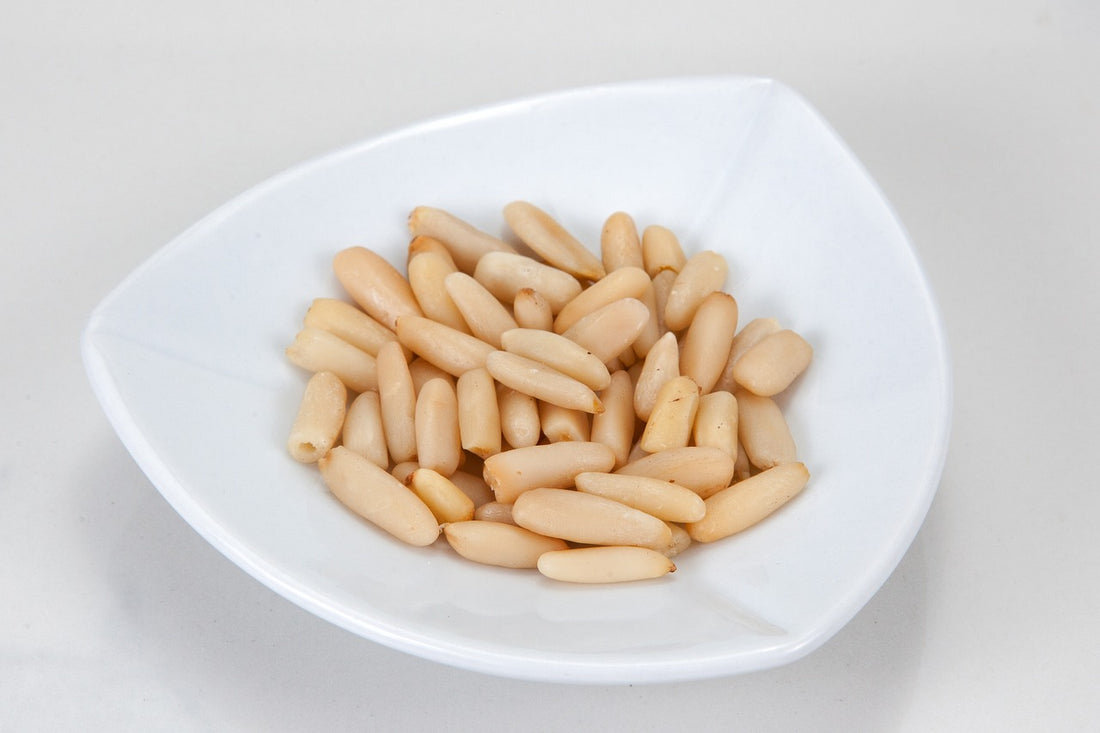

Pine nuts, also known as pine nuts, is one of the more exclusive products from coniferous trees, especially popular in Mediterranean cuisine. Although they are relatively little known compared to other nuts, such as almonds and walnuts, they have a lot to offer in terms of nutritional value and health benefits. Their delicate, slightly nutty taste goes perfectly in both dry and sweet dishes. Pine nuts are rich in valuable fats, protein as well as vitamins and minerals, which makes them an invaluable component of a healthy diet. It is worth taking a closer look at their properties and find out how they can support our health.
Pine nuts - discover their health properties and benefits for the body
Pine nuts, also called pine nuts, are a valuable source of nutrients that have a beneficial effect on human health. These nuts are rich in healthy fats, protein, vitamins and minerals that support the proper functioning of the body. They are particularly valued for the content of polyunsaturated fatty acids, such as linoleic acid, which supports heart health. In addition, pine nuts contain antioxidants such as vitamin E, which protect cells against free radicals, reducing the risk of chronic diseases. Regular consumption of pine nuts can bring benefits in the form of better condition of the cardiovascular system. Thanks to the content of magnesium and potassium, these nuts help maintain normal blood pressure and support muscle work, including hearts. In addition, B group vitamins present in these nuts have a beneficial effect on the functioning of the nervous system, improving concentration and reducing the feeling of fatigue.Pine nuts - a way of eating and various culinary applications
Pine nuts are unique not only because of their nutritional values, but also because of its delicate, slightly nutty taste. They can be consumed raw, roasted or constitute an addition to many dishes. They are ideal as a component of salads, pesto, desserts and even main dishes. Thanks to their gentle taste, they blend in perfectly with various spices and vegetables. Roasted pine nuts are a common component of Mediterranean cuisine, and their delicate aroma perfectly emphasizes the taste of meat and fish dishes. They can also be added to yogurt, breakfast flakes or muesli, which increases the nutritional value of the meal, providing valuable proteins and plant fats.Contraindications about pine nuts - when should you be careful with their consumption?
Although pine nuts are extremely healthy, some people should consume them carefully. First of all, pine nuts can cause allergic reactions in people allergic to nuts, which is manifested by a rash, difficulties in breathing, and in extreme cases can lead to anaphylaxis. People with allergy to nuts should avoid contact with pine nuts or consult a doctor before consumption. Another aspect to consider is their high caloric content. Pine nuts are rich in fats, which makes them a product of high energy value. Therefore, people who control their body weight should consume them in moderate quantities. Eating large amounts of pine nuts can also lead to gastrointestinal problems such as flatulence or a feeling of heaviness.Pine nuts - how do they grow? Learn interesting facts about their cultivation
Pine nuts come from the seeds of pine pine cones (Pinus Pinea), which grows mainly in the Mediterranean region. These cones ripen for several years, and the seeds are collected by hand, which makes pine nuts a relatively expensive and luxurious product. The process of harvesting peanuts is time consuming, because cones must be mature properly so that the seeds can be extracted from them. Pine pine is a long -lived tree, and the first seeds begin to produce only after about 20 years of growth. It is also worth knowing that the process of collecting pine nuts is dependent on the climate, which is why not all regions in the world are able to produce these valuable seeds.Peanuts - a treasury of healthy fats and valuable nutrients
Pine nuts are an excellent source of healthy fats, including omega-3 and omega-6 fatty acids, which are important to heart and brain health. They also contain vegetable protein, which makes them a great choice for people using plant or vegetarian diets. In addition to fats and proteins, pine nuts provide vitamins such as vitamin E, and minerals, including iron, magnesium and zinc. The nutritional values of pine nuts make them an invaluable component of a diet that supports health at many levels. High magnesium content helps to reduce stress and improves sleep quality, while zinc supports the immune system. This combination of valuable nutrients means that regular consumption of pine nuts can have a positive effect on health and well -being.Summary
Pine nuts are a real treasury of health. Thanks to its rich nutritional values, including the content of healthy fats, proteins, vitamins and minerals, they are a perfect complement to the diet. Their delicate, nutty taste means that they can be comprehensively used in the kitchen, adding dishes not only nutritional values, but also a characteristic taste. Although they are an expensive product, their health values and benefits make it worth including them in the daily menu. However, people with nuts should be careful, and their high caloric content should be taken into account when planning your diet. Pine nuts are a perfect example of combining taste and health in one product. If you are looking for a natural way to enrich your diet, pine nuts can be an ideal solution.Sources:
Kumar, S., & Pandey, A. K. (2013). Nutritional and Medicinal Importance of Pine Nuts (pinus spp.). Journal of Nutritional Science. Zanella, A., et al. (2021). Health Benefits of Pine Nuts: A review. International Journal of Food Sciences and Nutrition. Smith, J., & Walters, A. (2018). Pine Nuts: Nutritional Composition and Potential Health Effects. Journal of Food Science & Technology.
Dietician
Karolina Dobrowolska-Zrałka
doktor nauk medycznych i nauki o zdrowiu, dietetyk kliniczny Absolwentka studiów I i II stopnia na kierunku dietetyka oraz doktorantka w Szkole Doktorskiej Uniwersytetu Medycznego we Wrocławiu
Więcej artykułów autoraLooking for a nutritious and filling meal?
Discover Supersonic Smart Meal! A nutritious meal you can prepare in seconds!

150 reviews
additional 5% discount


