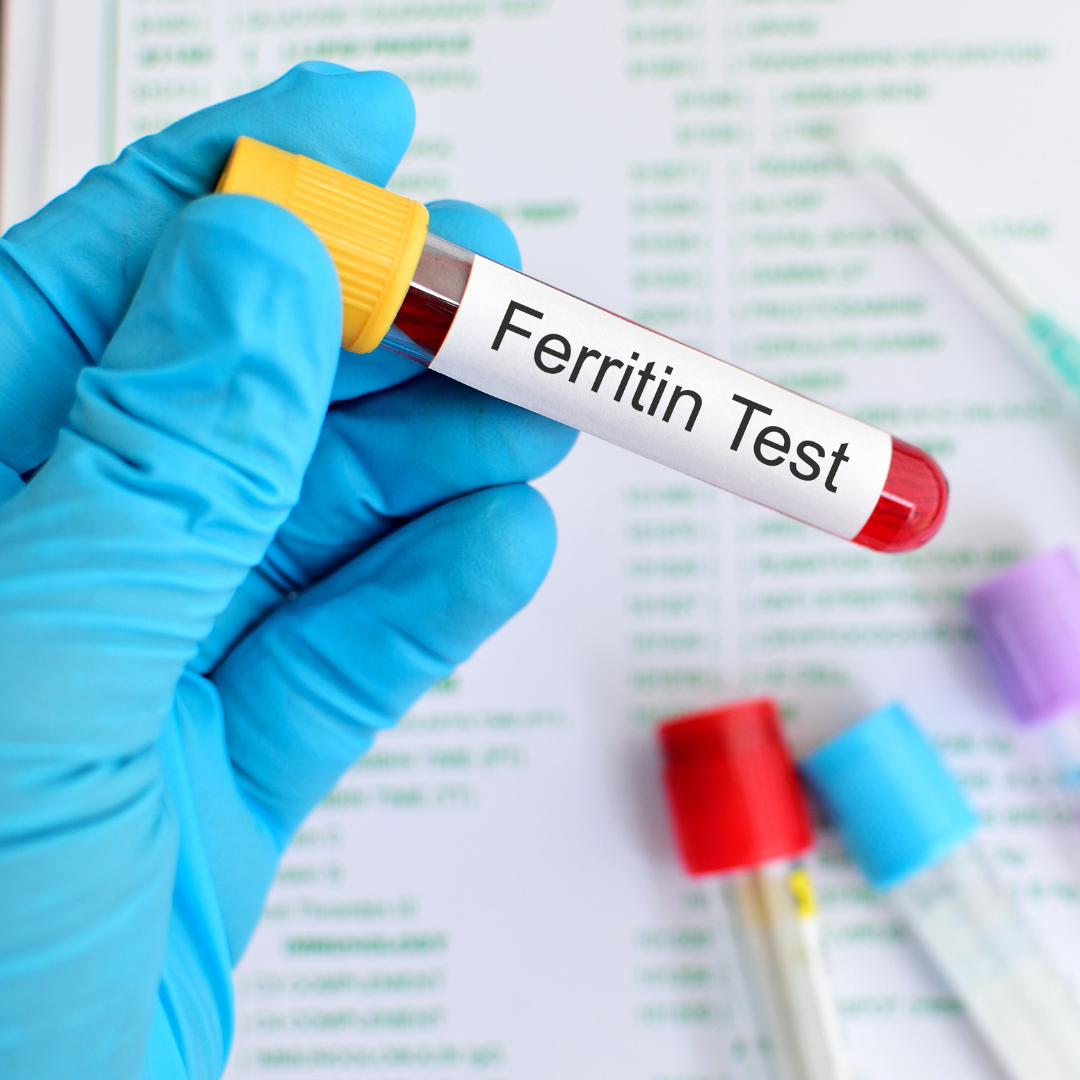

Ferritin is one of the health indicators of our body. It plays a central role in storing iron, which is necessary for the production of hemoglobin - protein responsible for transporting oxygen in the blood. Ferritin deficiency, and thus iron, can lead to anemia and many other health problems. In this article, we will look at ferritin standards, situations that require supplementation, available types of supplements, expected times of ferritin level increase and factors affecting its level.
Ferritin - standards and when is it worth supplements?
Ferritin standards, which is an indicator of iron stocks in the body, differ depending on gender and age. For women, the standard ranges from 15 to 150 ng/ml, for men from 30 to 400 ng/ml, and for children from 7 to 140 ng/ml. It is worth remembering, however, that these values may differ slightly depending on the laboratory performing the test.When is it worth considering supplementation?
Ferritin supplementation is indicated in cases of a low level of protein. Here are some of the situations in which it is worth considering supplementation:- Iron deficiency anemia - The most common cause of low ferritin.
- Gastrointestinal diseases - Like Crohn's disease, celiac disease that hinders iron absorption.
- Pregnancy - increased iron demand.
- Intensive bleeding - Like abundant menstruation, for example.
- Vegetarianism/veganism - A diet low in heme iron can lead to deficiency.
What to supplement with low ferritin?
Various types of ferritin and iron supplements are available on the market:- Ferritin in tablets: The most common form of supplementation.
- Iron sulfate: Popular, but can cause stomach ailments.
- Iron gluconate: Better tolerance, but a higher cost.
- Elementary iron: The most effective in raising iron levels.
Differences in efficiency and tolerance
Scientific studies have shown that some forms of iron, such as chelated iron, have higher bioavailability and are better tolerated by the body, reducing the risk of side effects such as nausea and abdominal pain.After what time does ferritin rise?
The time needed to increase the level of ferritin depends on several factors, including the initial level of ferritin, the dose of the supplement and the body's individual response to supplementation. Usually:- The first effects are visible after 2-3 weeks: Improving well -being and reduction of anemia symptoms.
- Full effect after 2-3 months: Usually the level of ferritin returns to normal.
Regular checks
To monitor the effectiveness of supplementation, regular controls of ferritin levels and other parameters related to iron (such as hemoglobin, transferrin) every 1-2 months are recommended.What affects the growth of ferritin?
Various factors can increase the level of ferritin in the body. An important role is played by a diet, which should be devoted to special attention. Heme iron, found in products of animal origin like meat, fish and poultry, is better absorbed by the body than non -hamem iron present in plant products such as spinach, nuts and seeds. Supporting iron absorption by eating it with vitamin C, for example, eating peppers or citruses, can also be beneficial. In addition to diet, other life -related factors affect the level of ferritin. Avoiding coffee and tea during meals, because they contain tannins inhibiting iron absorption, and excessive calcium supplementation that can negatively affect the absorption of iron, is recommended. Regular physical activity, which increases the need for iron and improves the overall condition of the body, can additionally support better absorption of this element. Additionally, some diseases, such as inflammatory bowel diseases, can affect iron absorption and ferritin levels. It is important to holistically monitor these factors and consult a doctor to individually adapt the supplementation plan.Ferritin – Supplementation: The Most Important Rules
To effectively supplement ferritin, it is worth following several rules. First of all, start with small doses to minimize potential side effects and then gradually increase them. Taking an iron supplement along with vitamin C is beneficial because it increases the absorption of this element. Coffee and tea should be avoided with meals as they may reduce the bioavailability of iron. It is also important not to take iron with calcium supplements, as calcium can competitively inhibit iron absorption.Principles of safety and effectiveness
Ferritin supplementation should be tailored to the patient's individual needs, and any change to the supplementation plan should be consulted with a doctor. Too much iron can lead to iron toxicity and serious health complications such as hemochromatosis.Side effects
Ferritin supplementation, despite its many benefits, may cause some side effects. The most common are gastrointestinal symptoms such as nausea, vomiting, abdominal pain, as well as constipation or diarrhea. Additionally, excess iron can damage the liver and other organs, causing serious complications. In some cases, allergic reactions may occur, manifesting as a rash, itching or swelling. It is important to carefully monitor the body's reactions during supplementation and consult a doctor if any disturbing symptoms occur. It is also important to regularly monitor the level of ferritin in the blood to avoid the risk of excessive iron accumulation in the body.Contraindications
Ferritin supplementation is not recommended for everyone. First of all, people with hemochromatosis, i.e. excessive accumulation of iron in the body, should avoid iron supplementation so as not to aggravate the existing problem. Other contraindications include kidney disease, in which the body's ability to process iron may be impaired, leading to its toxic effects. People with stomach or duodenal ulcers and other gastrointestinal conditions may also experience negative effects from iron supplementation. Pregnant and breastfeeding women should consult a doctor before starting ferritin supplementation. Since excess iron can affect the health of both mother and baby, it is necessary to exercise caution and strictly follow medical recommendations.Ferritin and the thyroid gland
Low ferritin levels can have a significant impact on thyroid function. Iron is essential for the production of thyroid hormones, and its deficiency can lead to hormonal disorders such as hypothyroidism. Thyroid hormone is responsible for regulating metabolism, body temperature and energy levels, so iron deficiency can affect the overall performance of the body. Research shows that people with autoimmune thyroid diseases, such as Hashimoto's disease, often have low ferritin levels. Therefore, monitoring ferritin levels and appropriate iron supplementation may be important for people with thyroid problems. Nevertheless, any change in supplementation should be consulted with a doctor to avoid potential complications.Summary
Ferritin supplementation may be important for people suffering from iron deficiency and related conditions. A proper approach to supplementation, understanding ferritin standards and factors influencing its level can help in effective health management.
Dietician
Karolina Dobrowolska-Zrałka
doktor nauk medycznych i nauki o zdrowiu, dietetyk kliniczny Absolwentka studiów I i II stopnia na kierunku dietetyka oraz doktorantka w Szkole Doktorskiej Uniwersytetu Medycznego we Wrocławiu
Więcej artykułów autoraLooking for a nutritious and filling meal?
Discover Supersonic Smart Meal! A nutritious meal you can prepare in seconds!

150 reviews


