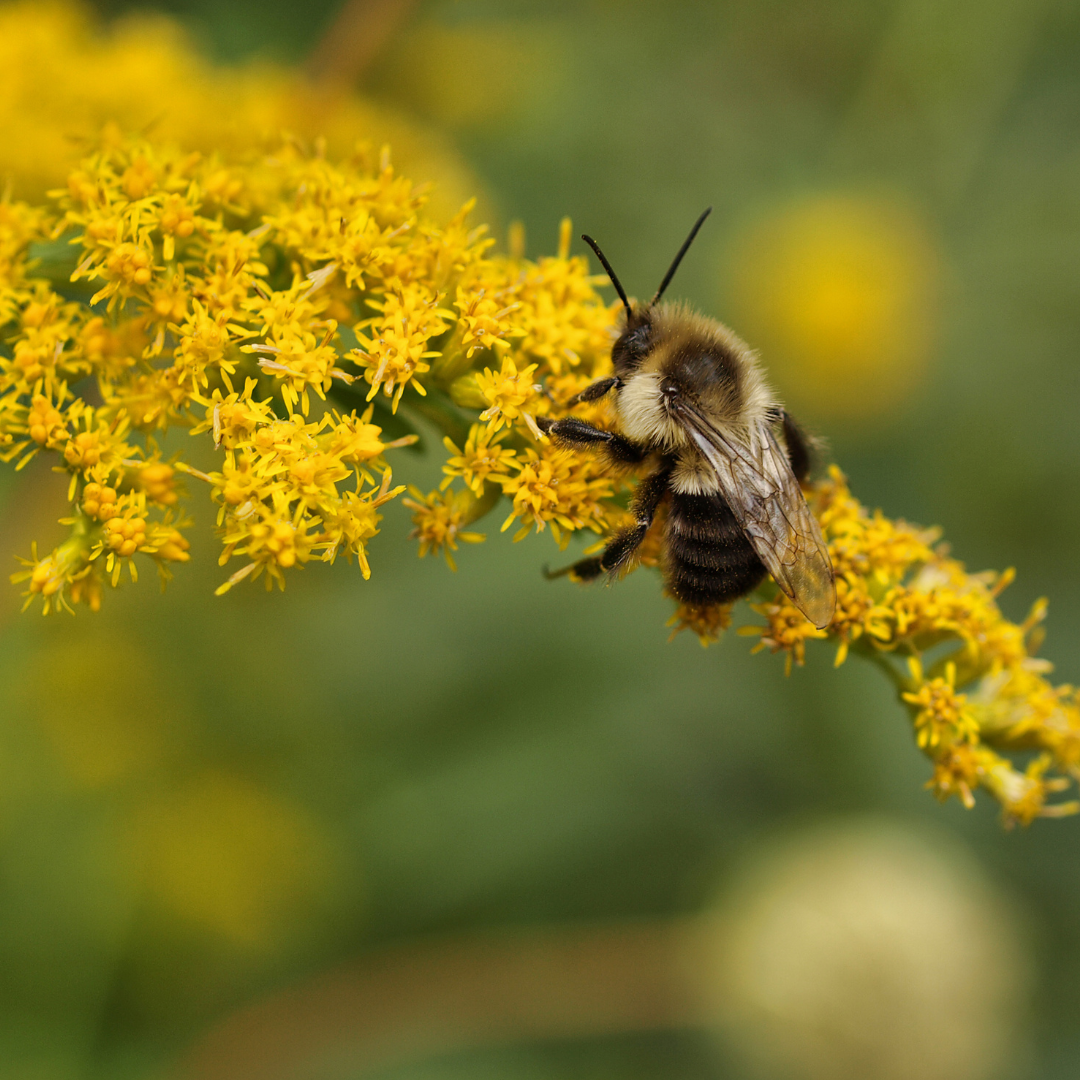

Honey, which is a product derived from the nectar of naves, is one of the less known, but extremely valuable types of honey. It is gaining more and more popularity thanks to its unique health -promoting properties. Its intense aroma, golden yellow color and characteristic taste make it not only a tasty addition to the diet, but also a product with a wide spectrum of applications in natural medicine.
Norination honey - no health and health benefits of this unique honey
Honey is distinguished by a wealth of nutrients and bioactive ingredients that contribute to its health -promoting properties. It contains significant amounts of flavonoids, polyphenols, enzymes, as well as vitamins and minerals. Flavonoids present in plague honey act as strong antioxidants, neutralizing free radicals and protecting the body's cells against oxidative stress. This antioxidant effect can support the immune system and counteract the aging of the body. In addition, toilic honey has an antibacterial effect, which is associated with the presence of natural enzymes such as glucose oxidase, which produces hydrogen peroxide during contact with water - a strong antiseptic. Thanks to this, this honey can be used to support bacterial infections, as well as a natural wound healing assistance. Another important properties of pending honey is its diuretic effect, which can support the work of the kidneys and help in eliminating toxins from the body. Thanks to this, toilic honey is particularly recommended for people with urinary tract problems, including urinary tract infections and kidney stones.Gentlemen honey - contraindications and who should avoid it
Despite the numerous health benefits, the torture honey, like any beekeeping product, is not suitable for everyone. First of all, people with allergies to bee products should be careful, because the consumption of routine honey can cause allergic reactions such as rash, itching, swelling, and in extreme cases - anaphylactic shock. People with diabetes should also limit the intake of its own honey. Although this honey has a lower glycemic index than white sugar, it still contains simple sugars that can increase blood glucose. Therefore, before turning on torthous honey into the diet, it is recommended to consult a doctor or dietitian. Children under the age of one should not consume honey, including plague honey, due to the risk of infant botulism. For this reason, honey consumption by young children is contraindicated.Honey - what can it be used for in a health context?
Honey is used in natural medicine primarily due to its anti -inflammatory, diuretic and antiseptic effects. It is particularly recommended for urinary tract infections, where it helps in alleviating symptoms and supports the treatment process. Due to its antiseptic properties, the torthin can also be used externally to wounds, accelerating their healing and reducing the risk of infections. Avoiding, toil honey can be used for colds and flu, where it helps to alleviate sore throat and cough, thanks to its antibacterial and coating properties. The diuretic effect of plague honey supports the removal of excess fluid from the body, which can be beneficial in cases of swelling or hypertension.Gamedler honey - where it comes from and what it is produced
Honey is produced from the nectar of nawn flowers (Solidago), plants with characteristic yellow flowers, which is widely found in Europe, including Poland. Glossing blooms in late summer and autumn, which means that tooling honey is one of the last honey collected in the beekeeping season. In the process of plague honey production, bees collect nectar from the flowers of nawn, which then transform into honey in the hive. Due to the late flowering period, the tooling honey often has a more intense taste and darker color than spring honey, which is the result of a greater concentration of nutrients and enzymes.Gentlemen honey - action and potential use in medicine
Honey, thanks to its antiseptic, anti -inflammatory and diuretic properties, has potential use in medicine, especially in natural medicine. It can be used as a supporting agent in the treatment of urinary tract infections, chronic inflammation and in therapy supporting the cleansing of the body of toxins. In addition, thanks to the content of antioxidants, toilic honey can support the prevention of chronic diseases such as cardiovascular diseases or cancer, although further research is needed in this respect. It is also worth paying attention to its soothing and soothing effects, which makes it useful in treating the symptoms of colds, cough and throat irritation.Summary
Honey is a valuable product that can be widely used in both diet and in natural support therapy. However, like any beekeeping product, it should be consumed in moderation and caution, especially by people with allergies or diabetes.Footnotes
Kowalski, Z., & Nowak, P. "Properties and use of honeys in medicine." Progress of phytotherapy, 2018. Jasińska, M. "The use of honey in the treatment of urinary tract diseases." Natural Medicine, 2020. Sadowski, K., "Honey Honey - Treasury of Polish Passes", Polish Beekeeper, 2021.
Dietician
Karolina Dobrowolska-Zrałka
doktor nauk medycznych i nauki o zdrowiu, dietetyk kliniczny Absolwentka studiów I i II stopnia na kierunku dietetyka oraz doktorantka w Szkole Doktorskiej Uniwersytetu Medycznego we Wrocławiu
Więcej artykułów autoraLooking for a nutritious and filling meal?
Discover Supersonic Smart Meal! A nutritious meal you can prepare in seconds!

150 reviews
![Ranking kreatyny [2026] - TOP 10 produktów, które warto znać](http://supersonicfood.com/cdn/shop/articles/kreatyna-ranking_c1a64d3a-0854-4df3-8a54-c034300baab7.jpg?format=webp&v=1786623654&width=1100 "Ranking kreatyny [2026] - TOP 10 produktów, które warto znać")


