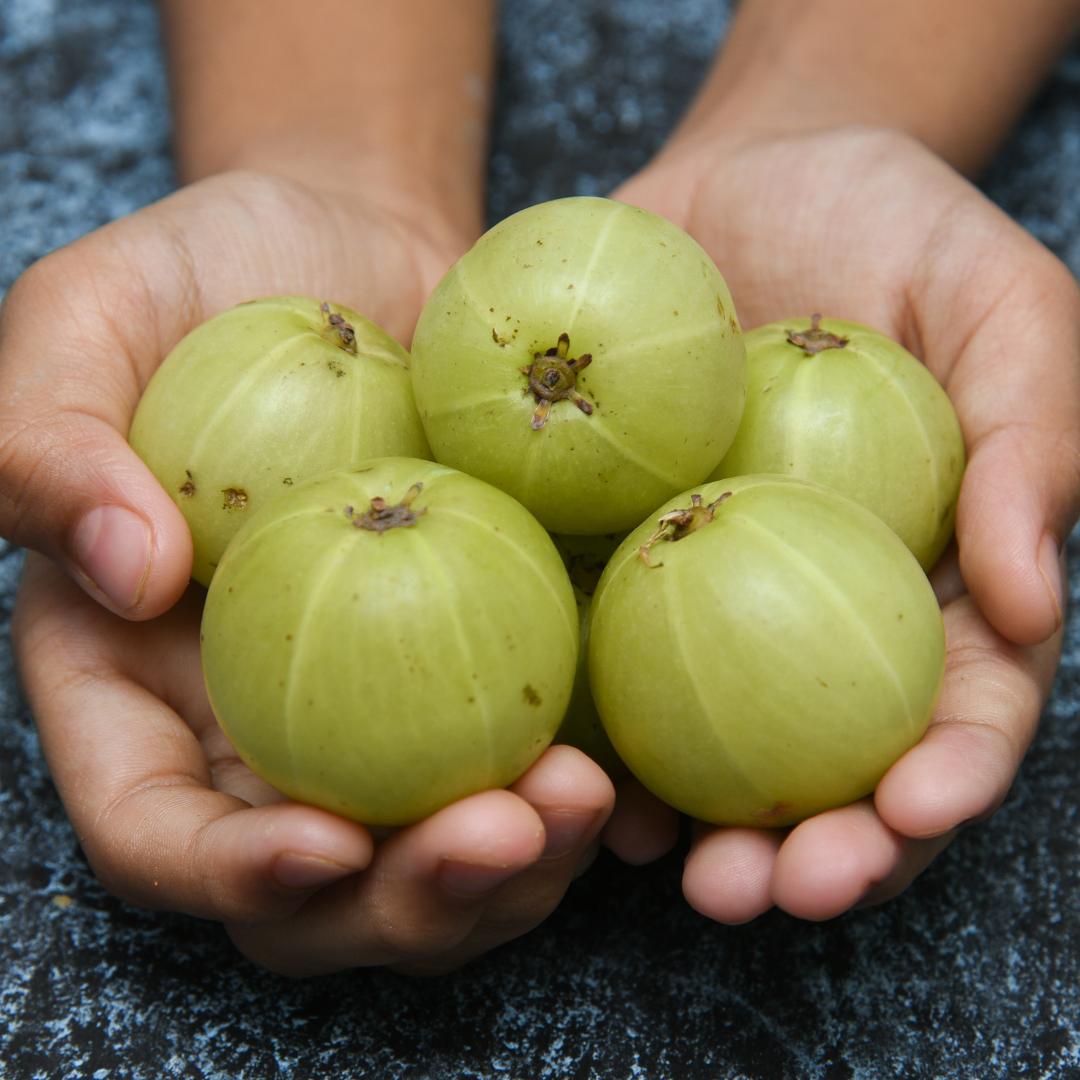

Amla, also known as Indian gooseberry, is a fruit with exceptional health properties, which has been an integral part of Ayurvedic medicine for centuries. This small, greenish fruit is a real treasure of nature, rich in vitamins, minerals and antioxidants. Contemporary scientific research confirms many health benefits, which are attributed to AMLI, making it a popular dietary supplement and a component of cosmetics around the world.
Indian gooseberries (AMLA) - characteristics and use in Ayurvedic medicine
Amla, also known as the Indian gooseberry (officinalis emblica), is a fruit from India, which has been an integral part of Ayurvedic medicine for thousands of years. It is a small, greenish fruit with a sour taste, rich in vitamins, minerals and antioxidants. Amla is valued for its versatile health properties, which make it widely used in both traditional and contemporary medicine.Traditional applications in Ayurvedic medicine
- Systemic tonic - AMLA is considered an adaptogen, i.e. a substance supporting the body's immunity to stress and restoring balance.
- Detoxification - In Ayurveda, AMLA is often used to cleanse the body of toxins and support liver health.
- Strengthening the immune system - Due to the high content of vitamin C, AMLA is used to support the body's natural defense mechanisms.
AMLA - properties for health and well -being
AMLA has a number of health properties that contribute to its popularity as a dietary supplement. Here are some of the most important health benefits resulting from its use:Support of the immune system
AMLA is one of the richest natural sources of vitamin C, which is important to strengthen the immune system and fight infections. It also contains antioxidants that help in neutralizing free radicals and protecting cells against damage.Benefits for the digestive system
Amla supports digestion and can help alleviate stomach problems such as heartburn and indigestion. Fiber contained in Amla supports intestinal health, improving peristalsis and preventing constipation.Cardiovascular support
Amla can help reduce cholesterol and triglycerides, which supports heart health. Antioxidants contained in AMLI support the health of blood vessels, improving circulation and reducing the risk of atherosclerosis.Benefits for the skin
Thanks to the high content of vitamin C, AMLA supports collagen production, which improves skin elasticity and firmness. Anti -inflammatory, which can help in the treatment of acne and other inflammation of the skin.AMLA - side effects - what is worth knowing before using this plant?
Despite the numerous health benefits, the use of AMLI may be associated with certain side effects, especially when used in large quantities or for a long time.1. Gastrointestinal dissertations
Excessive amla consumption can lead to diarrhea or stomach cramps, especially in people with a sensitive digestive system.2. Interests with medicines
AMLA may interact with anticoagulants, increasing the risk of bleeding. People taking diabetic drugs should consult a doctor before starting AMLA supplementation, as it can affect blood sugar levels.3.alergia
Some people may have allergic reactions such as rash, itching or swelling. In the event of such symptoms, you should stop using and consult a doctor.Amla for hair - what effects can be achieved by using AMLA on hair?
AMLA is widely used in hair care, thanks to its unique strengthening and nutritional properties. Here are the benefits that can be achieved thanks to the regular use of AMLI on hair:- Hair strengthening - Amla is rich in vitamins and minerals that strengthen hair bulbs, preventing them from falling out. Regular use of AMLI can help increase the density and volume of hair.
- Graying - Traditionally, AMLA is used as a natural agent to prevent premature graying of hair, thanks to its ability to maintain a natural hair color.
- Hydration and nutrition - Amla moisturizing, which helps to prevent hair dryness and brittleness. The content of vitamin C and other antioxidants supports the health of the scalp, preventing dandruff and other skin problems.
AMLA oil - benefits and effects of using amla oil for hair
AMLA oil is a popular product in hair care, which offers a number of benefits: Nutrition and regeneration - AMLA oil deeply nourishes hair, regenerating damaged strands and restoring their healthy appearance. Regular use of the oil strengthens the hair, preventing their brittleness and split ends. Stimulating hair growth - Amla oil massage stimulates blood circulation in the scalp, which supports the growth of new, healthy hair. AMLA oil can be used as a hair loss treatment. Improving hair structure - AMLA oil gives hair softness, shine and elasticity. It also acts as a natural conditioner, facilitating combing and styling of hair.How to use amla oil?
- Apply the oil to the scalp and hair, gently massaging for a few minutes.
- Leave on your hair for at least 30 minutes or overnight, then wash your hair with shampoo.
- Use the oil 1-2 times a week to get the best results.
How to include Amla in your daily diet and care?
AMLA can be used both as a dietary supplement and in daily care. Here are some practical tips:1. Direct
Amla juice: Drink freshly squeezed juice from Amla every morning to strengthen the immune system and improve digestion. Dried fruit: Add dried amla to smoothies, salads or porridge as a healthy addition full of vitamins.2. Hair.
AMLI mask: Mix AMLI powder with water or yogurt to get a paste. Apply to the hair and scalp, leave for 30 minutes, then rinse. AMLA oil: Regularly use AMLA oil for scalp and hair massage to improve their condition.Summary
AMLA, also known as Indian gooseberry, is an extremely valuable plant with a wide spectrum of health and cosmetic applications. Rich in vitamin C, antioxidants and other nutrients, AMLA supports the health of the immune, digestive, cardiovascular, skin and hair. Despite numerous benefits, it is worth remembering the possible side effects and always consult a doctor before starting supplementation. Regular use of AMLI in diet and care can bring many health benefits, making it an irreplaceable element of a healthy lifestyle.Sources
Thakur, K., et al. (2017). "AMLA (EMBLICA OFFICINALIS) - A Comprehensive Review of Traditional, Ethomedicinal, and Modern Uses." Phytotherapy Research. Scartzzini, P., & Speroni, E. (2000). "Review on some plants of Indian Traditional Medicine with Antioxidant Activity." Journal of Ethnopharmacology. Baliga, M. S., et al. (2013). "Phytochemistry, Traditional Uses and Pharmacology of Emblica officinalis (AMLA): The Ayurvedic Wonder." Biomed Research International. Khan, K. H. (2009). "Roles of emblica officinalis in Medicine - A review." Botany Research International. Kumari, A., et al. (2018). "Amla: A Novel Food Source of Vitamin C." Journal of Food Science and Technology.
Dietician
Karolina Dobrowolska-Zrałka
doktor nauk medycznych i nauki o zdrowiu, dietetyk kliniczny Absolwentka studiów I i II stopnia na kierunku dietetyka oraz doktorantka w Szkole Doktorskiej Uniwersytetu Medycznego we Wrocławiu
Więcej artykułów autoraLooking for a nutritious and filling meal?
Discover Supersonic Smart Meal! A nutritious meal you can prepare in seconds!

150 reviews


