

Protein supplement for yogis is a supplement that supports muscle regeneration after asanas and maintains muscle mass without overtraining the body. Yogis are different from strength athletes - they train more often in the form of static holds and dynamic flows, so they need protein evenly distributed throughout the day, not one large dose after training.
- Protein supplement for yogis works best in doses of 20-25 g spread throughout the day, not once after a session.
- SUPERSONIC Whey 360° Grass-Fed Protein Supplement is suitable for people who eat dairy products and are looking for a quick protein supplement.
- Vegans and vegetarians practicing yoga should combine different sources of plant protein to obtain a complete amino acid profile.
- Drinking collagen supports joints during frequent bending and extensions typical of ashtanga or vinyasa.
- The protein requirement for yogis in 2026 is still based on the same principle: 1.2-2.0 g per kilogram of body weight.
Why protein supplement for yogis matters
Yoga is often treated as a form of relaxation, not a training requiring regeneration. This is a mistake. Holding a plank position, chaturanga, or long vinyasa sequences engage the muscles isometrically for many minutes, which puts a strain on the muscle tissue similar to moderate-intensity strength training.
Many people who practice yoga choose a vegetarian or vegan diet, which makes it difficult to meet their daily protein needs from food alone. Find out more about how to choose protein supplement for training purposesbefore you choose a specific product.
The second reason is time. A yoga session in the morning before or in the evening after work does not give you enough space to cook a nutritious meal. A ready-made protein shake solves this problem without sacrificing nutritional quality.
“If a yoga session lasts longer than 60 minutes with predominance of dynamic flows, the muscles work similarly to moderate intensity strength training.”
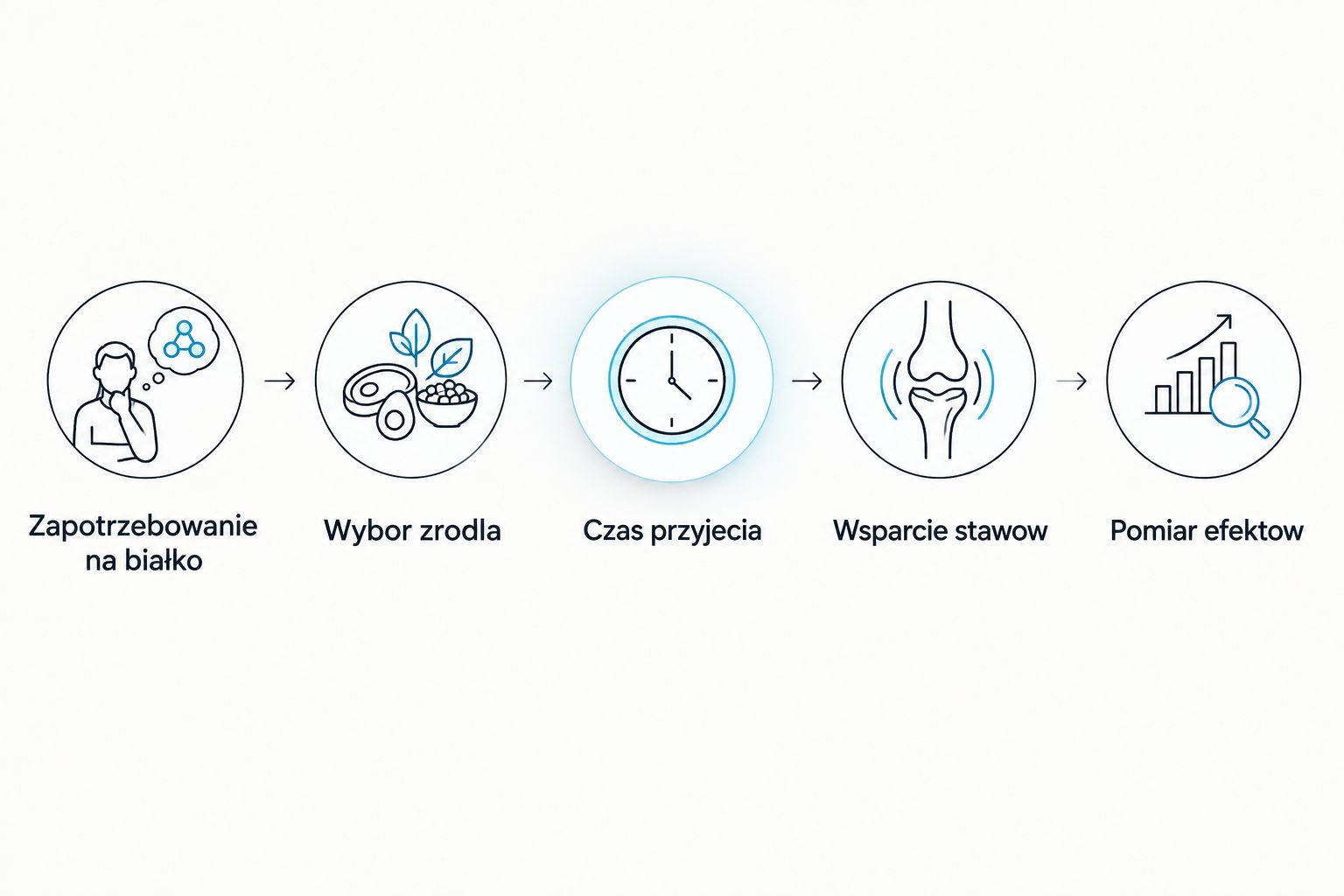
How to choose a protein supplement for yogis step by step
Check your daily protein requirement
Start with the numbers, not the product. Body weight multiplied by 1.2-2.0 g of protein per kilogram gives a realistic daily goal for a physically active person.
- Count the number of yoga sessions per week and their intensity
- Add up the protein from your daily meals (eggs, tofu, legumes, fish)
- Write down the difference between your goal and what you actually eat
- Add margin for days of intense power yoga or ashtanga
- Consult the result with a dietitian if you have chronic diseases
Choose a protein source that suits your diet
People who eat dairy products can reach for classic whey protein. Vegans and vegetarians need a combination of several plant sources to get a full amino acid profile - at home, these include lentils, tofu, quinoa and chia seeds.
- Choose whey if you are lactose tolerant and want quick absorption
- Check the ingredient list for allergens and added sugar
- Combine several plant sources of protein throughout the day if you are on a vegan diet
- Consider SUPERSONIC Whey 360° Grass-Fed Protein Supplement as a ready-made option combining three protein sources in one serving
- Avoid products with a long list of fillers and artificial colors
Time your protein intake around your yoga practice
A dynamic yoga session right after eating puts a strain on the stomach when bending and twisting. It's better to spread protein into several smaller portions throughout the day than to cram one large dose right in front of the mat.
- Drink your protein shake 30-60 minutes after your session
- Before morning yoga, choose a light protein snack, not a heavy meal
- Avoid fatty, large portions just before dynamic flows
- Hydrate in parallel with your protein intake, especially after hot yoga
- Spread your daily dose into 3-4 smaller portions if you train every day
Support your joints and skin with collagen
Frequent bending, extensions and long position holds put more strain on the joints than you think. The home remedy is bone broth or gelatin, but this requires time and regularity, which many yogis simply do not have.
- Drink collagen along with vitamin C for better absorption
- Check the source of collagen (fish or beef) before purchasing
- Treat collagen as a supplement, not a substitute for full-value protein
- Consider SUPERSONIC Collagen Beauty Drink as a ready-made collagen drink for your daily routine
- Drink your collagen at a different time of day than your main protein dose so they don't compete for absorption
Measure the effects and adjust the dosage
Protein supplement for yogis does not work once - the effects are visible after a few weeks of regular use.
- Watch your muscles regenerate after intense ashtanga or power yoga sessions
- Check your energy levels and sleep quality
- Note changes in stability and grip strength during balance asanas
- Adjust the portion every 2-4 weeks based on how you feel
- Consult the dosage with a dietitian if you have any health doubts
Comparison of protein options for yogis
| Option | Best for | Key limitation |
|---|---|---|
| Whey protein (whey) | People who eat dairy products, recover quickly after vigorous sessions | Does not work for vegans and people with lactose intolerance |
| Multi-component plant protein | Vegans and vegetarians practicing yoga | Requires combining several sources for a complete amino acid profile |
| Homemade combinations (tofu, lentils, quinoa) | People with time to prepare meals | It is difficult to control the exact dose of protein per serving |
| Ready-made protein shake | Busy yogis with no time for the kitchen before or after the session | It will not replace the nutritional variety from whole meals |
The most common mistakes yogis make when choosing a protein supplement
- Treating a shake as a replacement for a whole meal before intensive practice - heaviness in the stomach spoils the quality of bends and extensions
- Ignoring protein needs, because the training "looks calm" - isometric holds burden the muscles in the same way as strength training
- Drinking a shake immediately before a dynamic session vinyasa - the stomach working during twists causes nausea
- Choosing only one source of plant protein - an incomplete amino acid profile slows down regeneration
- Forgetting to hydrate when supplementing with protein and creatine after hot yoga - dehydration increases dizziness in inverted positions
FAQ
What protein supplement is best for yogis?
The best protein supplement for yogis depends on your diet - dairy eaters can choose whey, vegans need a plant-based blend. SUPERSONIC Whey 360° Grass-Fed Protein Powder combines three sources of protein in one serving for people who tolerate dairy products.
Do yogis need more protein than other active people?
No more, but the same amount - 1.2-2.0 g per kilogram of body weight per day, in accordance with general guidelines for active people. The difference is in spreading the doses throughout the day, because yoga rarely provides one clear moment after training.
Is plant protein enough for vegan yogis?
Yes, if you combine several sources - peas, rice, hemp - to get a complete amino acid profile. A single plant source achieves this less often than a mixture.
When to drink protein supplement on the day of yoga practice?
Preferably 30-60 minutes after the end of the session, not just before it. Before a dynamic practice, a lighter protein snack works better than a full portion of a shake.
Does collagen help with frequent yoga practice?
Drinking collagen supports joints subjected to frequent bending and extension, especially in practices such as ashtanga. It works best when combined with vitamin C, which supports its absorption.
Will protein supplement cause unwanted weight gain in yogis?
No, if the dose meets and does not exceed the daily requirement. Weight gain comes from a caloric surplus, not protein alone.
Does creatine make sense for people practicing yoga?
Creatine supports muscle strength and endurance, which helps maintain balancing positions and dynamic flows. The effect depends on regular supplementation, not a single dose.
How to dose protein during daily yoga practice?
Spread your daily protein goal into 3-4 servings of 20-25g each, rather than one large dose. This distribution supports regeneration evenly throughout the day.
One last thing
Most yogis focus on calories and the lightness of meals, and forget that maintaining a position for a long time is isometric work requiring the same protein as strength training. If you practice ashtanga or power yoga more than three times a week, it is worth treating muscle regeneration on an equal footing with stretching - protein spread throughout the day works better than one large dose after the mat in 2026, as it worked before.
Related guides


