

Matcha provides a high concentration of catechins, including EGCG, L-theanine and caffeine, which support the protection of cells against oxidative stress, improve concentration and influence energy metabolism. Its effect is due to the fact that whole tea leaves are consumed in the form of powder, and not just an infusion. This increases the amount of bioactive compounds in one serving compared to classic green tea. Scientific research analyzes the impact of catechins on inflammatory processes, lipid metabolism and the functioning of the cardiovascular system. L-theanine combined with caffeine affects concentration and a state of focused attention without sudden stimulation. Matcha is not a magical product or a stand-alone solution to health problems, but its biochemical composition has proven physiological effects. These properties mean that matcha has a permanent place in functional dietetics and a nutritional model supporting the body's performance.
Recommended products

Antioxidants in matcha and cell protection
Matcha is one of the richest sources of catechins among green teas, and EGCG (epigallocatechin gallate) plays a special role. This compound neutralizes free radicals and limits oxidative stress, which is responsible for cell damage and accelerated tissue aging. The high concentration of chlorophyll additionally enhances its antioxidant potential. Laboratory and observational studies indicate that regular consumption of green tea is associated with a better antioxidant profile of the body. The mechanism of action of catechins includes modulation of inflammatory pathways and influence on the expression of genes related to cellular protection. Thanks to this, matcha supports a metabolic environment conducive to maintaining oxidative balance. Protecting cells against oxidative stress is important for the cardiovascular system, brain function and maintaining metabolic efficiency.
Matcha and metabolism and weight control
Catechins present in matcha influence processes related to fat oxidation and energy expenditure. EGCG supports the activity of enzymes involved in lipid metabolism and may increase the rate of fat burning during physical exercise. Research shows that green tea extracts increase thermogenesis, which translates into higher energy expenditure at rest. Matcha fits into this mechanism thanks to its high content of catechins and caffeine, which additionally stimulates the nervous system. The metabolic effect does not replace a balanced diet or physical activity, but enhances their effect. In the context of weight control, matcha supports energy stabilization and may reduce sudden drops in concentration associated with glucose fluctuations. Its role is to support the metabolic environment conducive to maintaining proper body weight.
Impact on concentration and cognitive functions
The combination of caffeine and L-theanine in matcha directly affects cognitive functions. Caffeine stimulates the nervous system and increases alertness, while L-theanine promotes the formation of alpha waves in the brain, which are responsible for the state of focused attention. Research confirms that this combination improves reaction time, concentration and the quality of cognitive tasks performed. Unlike caffeine alone, which has a rapid effect, the combination with L-theanine provides a more controlled and stable stimulation. This effect is particularly appreciated by people who work mentally and function in an environment that requires long hours of concentration. Energy stability without the feeling of excessive stimulation is one of the key features of matcha as a functional drink.
Recommended products


Anti-inflammatory effect and support for the cardiovascular system
Catechins contained in matcha influence the modulation of inflammatory processes and the functioning of the endothelium of blood vessels. Observational studies indicate an association between regular consumption of green tea and a favorable lipid profile and lower risk of cardiovascular diseases. EGCG reduces oxidative stress in the vessels and supports the proper function of the endothelium. These mechanisms include the regulation of enzymes related to lipid metabolism and the reduction of inflammatory processes. Including matcha in a balanced diet supports maintaining a proper metabolic and cardiovascular environment. Its action results from specific biochemical compounds, not from marketing declarations.
The real potential of matcha in a healthy lifestyle model
Matcha provides concentrated antioxidants, supports metabolism and improves concentration thanks to the synergy of caffeine and L-theanine. Its effect is confirmed in studies on green tea and catechins. At the same time, it remains an element of a larger system of habits including diet, physical activity and regeneration. Matcha enhances these processes and supports a metabolic environment that promotes the body's performance. Regular consumption of 1-2 portions a day fits into the model of a conscious lifestyle based on the quality of the raw material and functional effects.
FAQ – most frequently asked questions
Do studies confirm the effects of matcha?
Research on green tea and catechins confirms their antioxidant, metabolic and cognitive effects.
Does matcha help with weight loss?
Matcha supports metabolism and thermogenesis, but its effect requires support with diet and physical activity.
Does matcha improve concentration?
The combination of caffeine and L-theanine improves alertness, focus and energy stability.
Does matcha protect the heart?
Regular consumption of green tea is associated with a favorable lipid profile and support for vascular function.
Sources:
EFSA Panel on Dietetic Products, Nutrition and Allergies (NDA). Scientific Opinion on the safety of green tea catechins. National Institutes of Health (NIH). Green Tea – Health Professional Fact Sheet. Camfield D.A. et al. The combined effects of L-theanine and caffeine on cognitive performance. Nutritional Neuroscience. Khan N., Mukhtar H. Tea polyphenols for health promotion. Life Sciences. Hursel R., Westerterp-Plantenga M.S. Catechin- and caffeine-rich teas for control of body weight. American Journal of Clinical Nutrition.

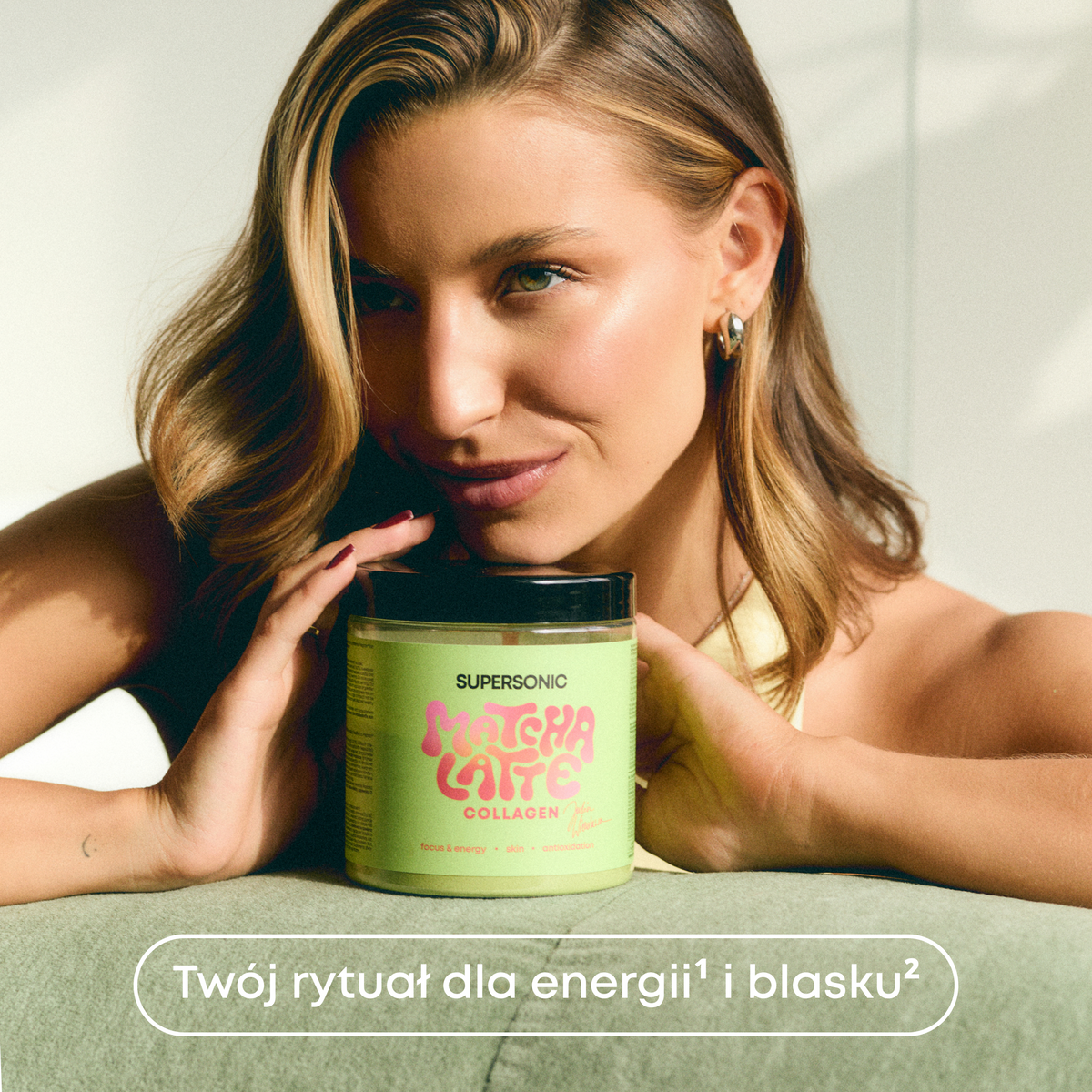
Matcha Latte Collagen
Gotowy napój matcha latte z mlekiem kokosowym i skutecznym kolagenem


