

Matcha contains a high concentration of catechins, including EGCG, which have anti-inflammatory and antioxidant properties, which directly affects the environment conducive to the formation of acne lesions. Acne is not just a skin problem - it is a complex process involving inflammation, sebaceous gland activity, oxidative stress and hormonal fluctuations. The ingredients present in matcha affect these biological mechanisms. Regular consumption of green tea is associated with improving the body's oxidative balance and reducing inflammatory markers. Matcha, as a concentrated form of green tea, provides a larger amount of active compounds in one serving. Its potential in the context of the skin results from its systemic, not local, action. This means that it influences the body's metabolic environment, which indirectly affects the condition of the skin.
Recommended products

How does matcha affect inflammation in the body?
Acne develops in an environment of chronic micro-inflammation that affects both skin and systemic processes. EGCG present in matcha modulates inflammatory pathways by influencing pro-inflammatory cytokines and reducing oxidative stress. This mechanism limits the activation of processes that intensify the formation of skin lesions. The high antioxidant content in matcha supports the neutralization of free radicals, which damage cells and increase the inflammatory response. Cellular protection is directly important for skin regeneration and reducing the visibility of inflammation. Including matcha in your diet supports a metabolic environment that promotes inflammatory balance, which is one of the foundations of acne control. This action results from specific biochemical mechanisms confirmed in research on catechins.
Matcha and sebum production and hormonal balance
Excessive sebum production is one of the key factors in the development of acne. Catechins contained in green tea affect the activity of enzymes related to androgen metabolism, which regulate the functioning of the sebaceous glands. Reducing the excessive activity of these mechanisms helps stabilize sebum production. Additionally, the anti-inflammatory effect of EGCG supports the reduction of the inflammatory reaction within the hair follicles. Matcha does not act as a hormonal drug, but affects the metabolic environment that promotes skin balance. Stabilizing energy levels thanks to the synergy of caffeine and L-theanine also reduces the impact of chronic stress, which increases hormonal fluctuations. Appropriate regulation of stress and metabolism translates into more stable skin functioning.
Recommended products


Can matcha make acne worse?
Matcha contains caffeine, which has an excessive effect on cortisol levels. High levels of hormonal stress can worsen skin problems. Moderate consumption of 1-2 servings daily maintains energy stability without excessive stimulation. The quality of the product and the lack of added sugar in matcha-based drinks are of key importance. Sweetened lattes with flavored syrups affect glycemia and may intensify skin lesions through insulin spikes. The problem is not with the matcha itself, but with the additives. Pure matcha in the right amount supports metabolic balance and does not aggravate acne. Controlling your total caffeine intake and avoiding excess simple sugars is more important than the mere presence of green tea in your diet.
Matcha in a diet model supporting healthy skin
The skin responds to the metabolic state of the entire body. A diet rich in antioxidants, with a stable effect on glycemia and limiting chronic inflammation supports the reduction of acne lesions. Matcha fits this model thanks to its high catechin content and stabilizing energy profile. Regular consumption supports an environment conducive to skin regeneration and protection of cells from oxidative stress. It does not replace dermatological treatment, but strengthens the metabolic foundations that influence the condition of the skin. Combining matcha with a diet with a low glycemic index and appropriate care brings more visible effects than individual actions. It is a systemic approach, not a cosmetic one, that determines lasting improvement.
FAQ – most frequently asked questions
Does matcha cleanse the skin?
Matcha supports the reduction of oxidative stress and inflammatory processes, which translates into a better environment for skin regeneration.
How long does it take to see the effects?
The changes result from improved metabolic balance and occur gradually with regular consumption.
Does matcha replace acne treatment?
Matcha supports the body systemically, but does not replace dermatological therapy.
Can you drink matcha if you have active acne?
Moderate consumption of pure matcha without added sugar supports metabolic stability and does not worsen skin lesions.
Sources:
NIH – Green Tea and Skin Health. Khan N., Mukhtar H. Tea polyphenols for health promotion. Life Sciences. Katiyar S.K. EGCG and inflammatory pathways. Journal of Investigative Dermatology. EFSA – Scientific opinion on green tea catechins.

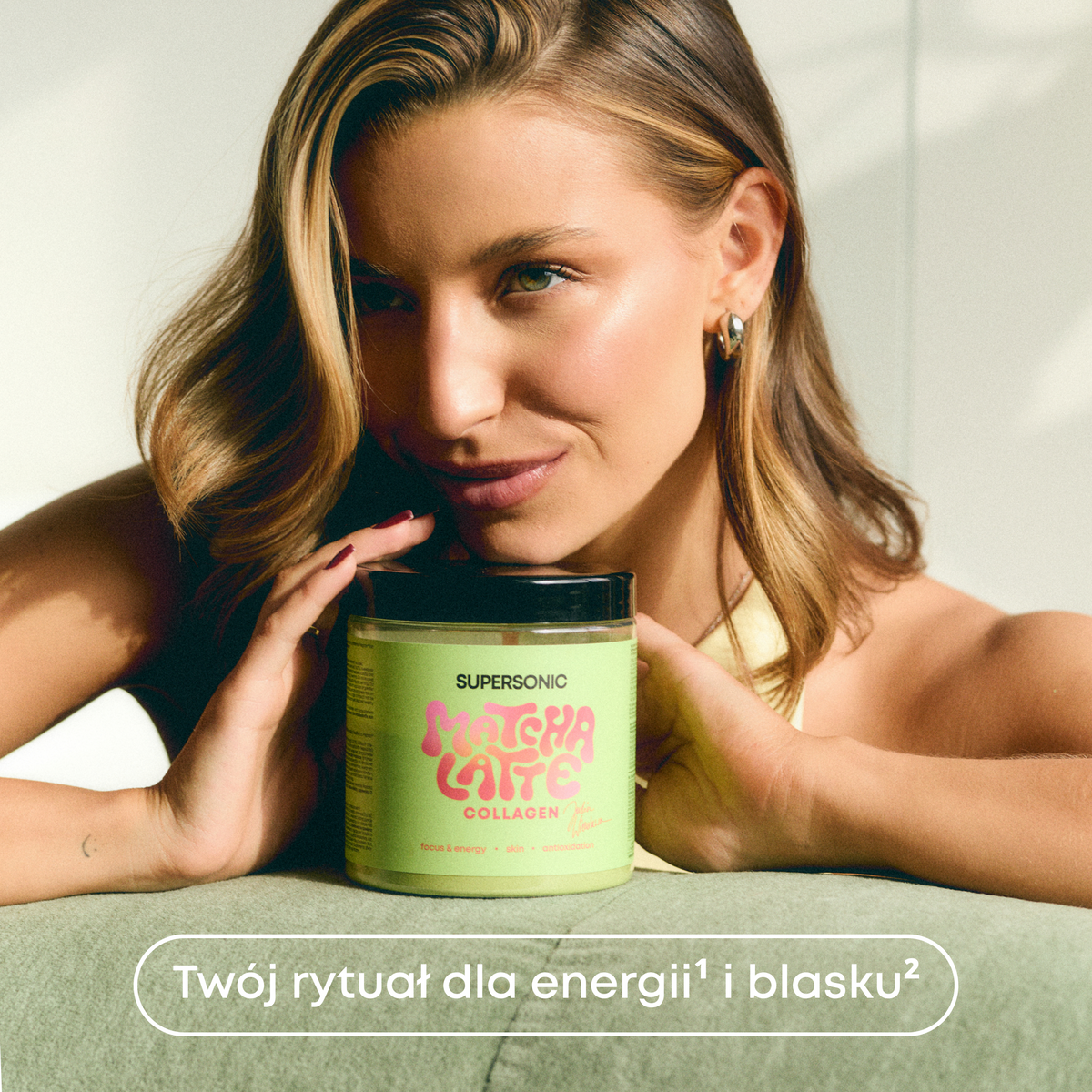
Matcha Latte Collagen
Gotowy napój matcha latte z mlekiem kokosowym i skutecznym kolagenem


